
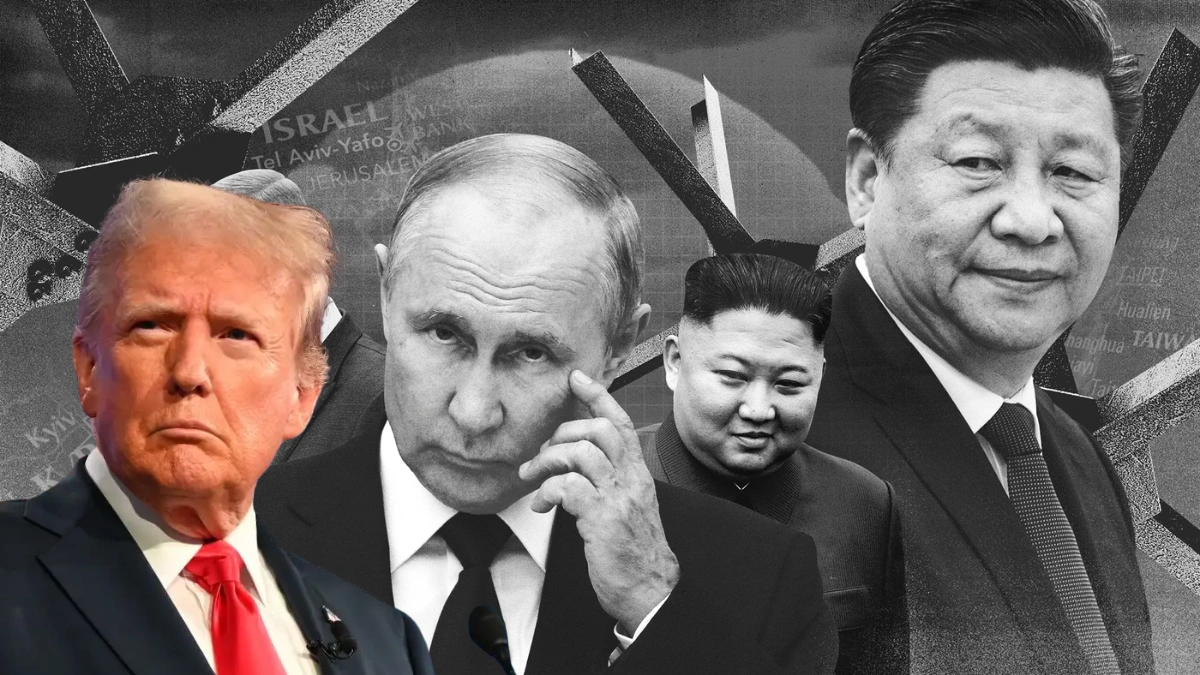
Donald Trump, the former president, is promoting himself as the “President of Peace” after asserting that he personally put an end to multiple hostilities in Asia and Africa. Trump boasted in talks with international leaders that his administration had settled disputes between nations like Armenia and Azerbaijan, Israel and Iran, and India and Pakistan.
The White House provided a list of seven purported peace accords to support his claims. Critics brushed off the broad assertions as inflated and politically driven, while fans showered social media with praise, portraying them as a continuation of Trump’s long-running campaign for honours, such as a Nobel Peace Prize.
Record US Tariff Collections in July 2025 — Celebration and Concern
Trump’s Boast: “I’ve Ended Six Wars”
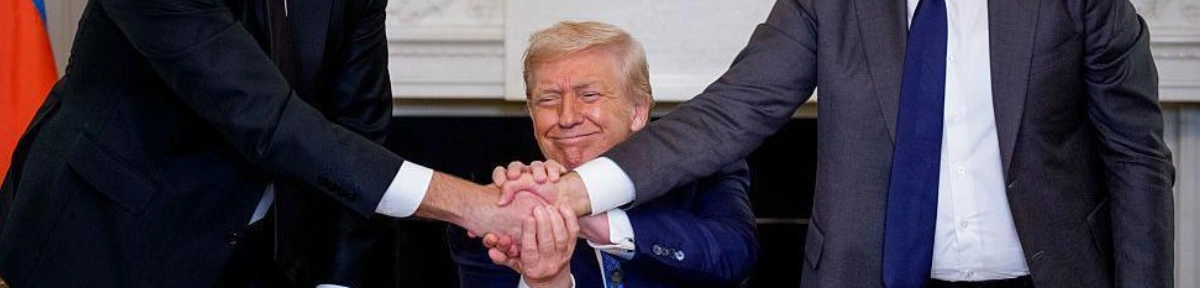
Trump’s meeting with Ukrainian President Volodymyr Zelensky and a number of European leaders sparked the uproar. “I’ve done six wars — I’ve ended six wars,” he declared in his remarks. Look, we’re talking about major cities here, India and Pakistan. Just look at a few of these conflicts. You visit Africa and observe them.
Trump claims that his government has reached peace accords in areas like South Asia, the Middle East, and Central Africa that have historically seen bloody conflicts. He claims to have resolved almost one conflict for each month of his second tenure.
Trump Administration Eyes Intel Nationalization in New ‘Manhattan Project’ for Chips
The White House Statement: “President of Peace”
The White House backed up Trump’s assertion in a matter of days, referring to him as “the President of Peace” in an official statement. The administration claimed to have secured seven bilateral agreements, which were listed:
- Armenia and Azerbaijan
- Cambodia and Thailand
- Israel and Iran
- India and Pakistan
- Rwanda and the Democratic Republic of the Congo
- Egypt and Ethiopia
- Serbia and Kosovo
The Abraham Accords, which Trump signed during his first term and normalised ties between Israel and a number of Arab nations, were also reviewed in the statement. Together, these agreements demonstrate Trump’s unmatched track record in resolving international disputes, the administration claims.
Sam Altman on OpenAI’s Future: Why He May Not Be the Right CEO if OpenAI Goes Public
Trump Ups the Number: From Six to Seven

During an appearance on Fox and Friends the next morning, Trump broadened his assertion even more, saying, “We ended seven wars.”
The doubling down demonstrated his propensity to exaggerate accomplishments as well as his resolve to position himself as a world peace broker. The brag is seen by his followers as a testament to American leadership and might. Sceptics interpret it as a symptom of political theatre and opportunism.
Bitcoin Smashes Records, Hits $124,500 Amid Policy Support and Institutional Buying
The Nobel Peace Prize Angle
Trump has publicly sought a Nobel Peace Prize, and observers quickly pointed out that his rhetoric and the White House’s wording reflected this ambition.
Critics contend that the administration’s rhetoric appears to be a planned effort to portray Trump as worthy of international acclaim rather than an authentic narrative of diplomatic achievements. Critics cite continued tensions, shaky ceasefires, and unresolved issues as proof that the purported “peace” may not be as stable as promised.
Social Media Reactions: Admiration, Sarcasm, and Outrage

Wave One: The Loyalists
Trump’s narrative was quickly embraced by MAGA fans. He was praised by Posts as a statesman who could accomplish something that no other American president had done. “This is what true American leadership looks like,” one user said. President Trump has ended four wars involving eight nations in just six months. is currently trying to put an end to a major conflict [between Russia and Ukraine].
These responses presented Trump’s actions as evidence of his capacity to uphold international law and assert American power overseas.
Wave Two: The Satirists
Not everybody was persuaded. Many social media users mocked the impossibility of Trump’s broad assertions in their sarcastic responses. “I’ve stopped 5,465 wars just this past week,” one user joked. Take a look at all the wars that are not taking place. since I prevented them.
“Thank you for making it fun for us to make fun of you,” said another.
Memes and parody accounts mocking Trump’s self-proclaimed “war-ending” record rapidly arose from these posts.
Wave Three: The Critics
Those who were annoyed by what they perceived as a diversion from urgent domestic problems contributed a third wave of answers. The following was noted by criticism:
- For millions of American homes, rising food prices are a problem.
- Tariff conflicts U.S. trade relations were strained as Trump himself ignited.
- The ongoing scandal over the Epstein files, which keeps bringing up issues with political accountability.
Trump’s promises about world peace seemed less like leadership to this group and more like a means of deflecting attention from domestic issues.
Examining the Claimed Peace Deals
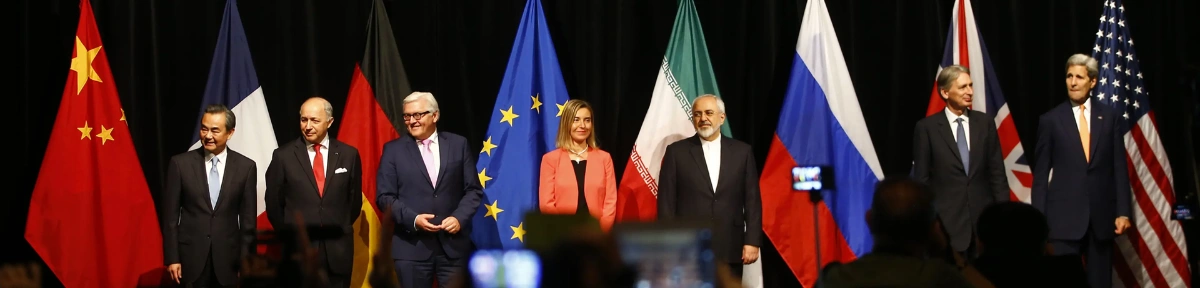
Seven agreements were mentioned in the White House statement, but experts warn that the truth is more nuanced.
- India-Pakistan: Despite Trump’s statements, there is still tension in relations and no official peace deal has been inked.
- Israel-Iran: Given the intense animosity and lack of diplomatic recognition between the two countries, this is an extremely improbable assertion.
- Egypt-Ethiopia: The Nile River dam project continues to cause tensions, and no all-encompassing solution has been declared.
- Armenia-Azerbaijan: Although there have been shaky ceasefires, Nagorno-Karabakh is still experiencing flare-ups.
- Rwanda-DRC: Despite intermittent discussions, regional tensions still exist.
- Serbia-Kosovo: Although talks are still ongoing, no long-term agreement has been reached.
- Cambodia-Thailand: Experts point out that local dynamics, rather than U.S. diplomacy, are more responsible for the stability of relations.
Basically, even if Trump may have made it easier to hold conversations, a lot of the “ended wars” are still unresolved.
Indian Stock Markets on Edge as Tariff Concerns Intensify Trade Uncertainty
The Bigger Picture: Campaigning Through Foreign Policy

Critics argue that Trump’s sweeping peace claims serve a dual purpose:
- Shoring up his image at home as a global dealmaker capable of projecting strength.
- Building momentum internationally for recognition, especially the Nobel Peace Prize.
Trump crafts a narrative of leadership that appeals to supporters by portraying himself as the mastermind behind international peace accords, even though the underlying facts are still up for debate.
OpenAI Launches GPT-5: India Positioned as Key Market in Global AI Push
Domestic Distractions: Problems at Home

The timing of Trump’s statements has also drawn criticism. As he honours global accomplishments, many Americans are struggling with:
- High grocery and fuel costs, straining household budgets.
- Ongoing tariff battles that impact U.S. businesses and consumers.
- Lingering scandals, including renewed scrutiny of the Epstein files.
The emphasis on “ending wars abroad” appears to critics to be a purposeful diversion from the domestic issues that have the greatest impact on voters.
Taiwan’s Economy Faces Major Threat as U.S. Mulls Semiconductor Tariffs
Conclusion
Donald Trump’s ability to effectively brand himself as the “President of Peace” is demonstrated by his self-proclamation. His claims to have put an end to wars in Asia and Africa appeal to those who want to see a powerful, well-respected America on a global scale. The story is supported by the White House’s framing, and the divisive reactions—from awe to derision to plain annoyance—are displayed on social media.
However, the truth is more nuanced than the assertions. The peace in many of the battles Trump mentions is, at best, tenuous and has not been settled. More than reflecting global realities, his assertions may be motivated by campaign optics and personal ambition, especially his quest for a Nobel Peace Prize.
In the end, the story reveals a fundamental aspect of Trump’s political approach: perception frequently counts more than facts. Trump has once again dominated the narrative, allowing the globe to argue not only his policies but also his version of the facts, whether he is praised as a mediator, ridiculed as a braggart, or chastised for disregarding home problems.