
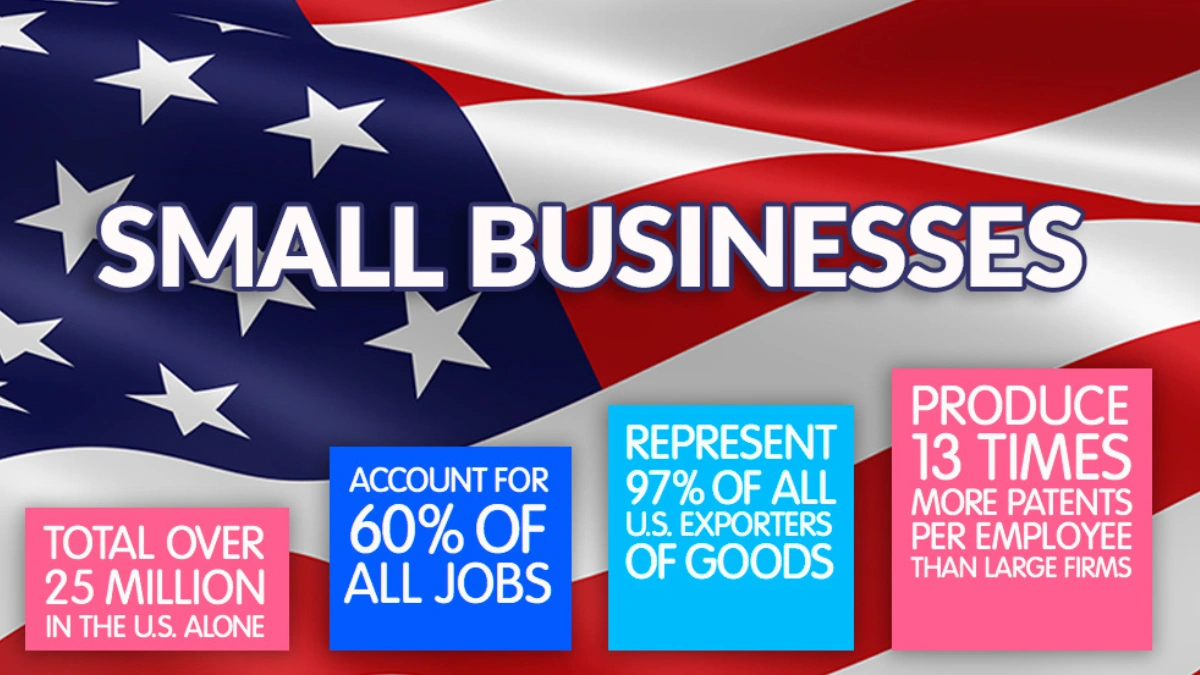
The strain on U.S. small businesses to survive has increased due to Trump’s tariff policy. Many small businesses are struggling to compete in a trade market that is becoming more and more unstable due to factors including supply chain disruptions and increased import costs. Large organisations might be able to withstand the effects, but small businesses that are already making ends meet are being pushed to make difficult decisions like increasing prices, laying off employees, or closing their doors completely. This conflict raises questions about long-term economic resiliency and emphasises the disproportionate toll that tariffs have on America’s entrepreneurial backbone.
Trump Declares Himself “President of Peace” After Claiming to End Multiple Global Wars
A Veteran Turned Entrepreneur

Richard May looked for a different direction in life after returning from the Vietnam War. When he enrolled in business school, he discovered the theory of comparative advantage, which was developed by British economist David Ricardo in the 19th century, and it would influence his career.
The idea was straightforward but effective: nations ought to focus on their strongest areas and trade with one another for everything else. This lesson resonated deeply with May. He founded MFG Direct USA, a business that designs garage doors and medical treatment beds, in 1990. He kept the design and business operations in the US but outsourced manufacture to Asia rather than producing everything locally.
This model was effective for over thirty years. His modest business made a name for itself in America’s cutthroat business world, and his items effectively reached consumers.
Tariffs Upend a Stable Model
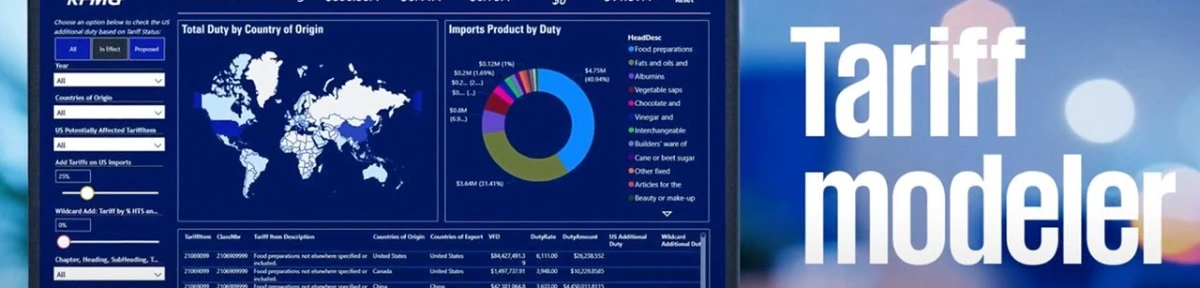
But when President Donald Trump began his aggressive tariff campaign to “rebalance” international commerce, May’s achievement was upended. Four overlapping tariffs were used to impose an 83% charge on garage door imports from China.
At the age of 78, May was forced to enter what he referred to as “survival mode.” He reduced spending, fired staff, and put in 12-hour days with his team in an effort to attract new clients.
According to May, “we’re barely surviving.” “We have been taking every action we can. Just to remain in business, we are putting in more effort.
He questioned whether he could sustain the business he had fostered for decades for another 60 days given the uncertainties and growing expenses.
Trump Administration Eyes Intel Nationalization in New ‘Manhattan Project’ for Chips
The Broader Impact of Trump’s Trade War
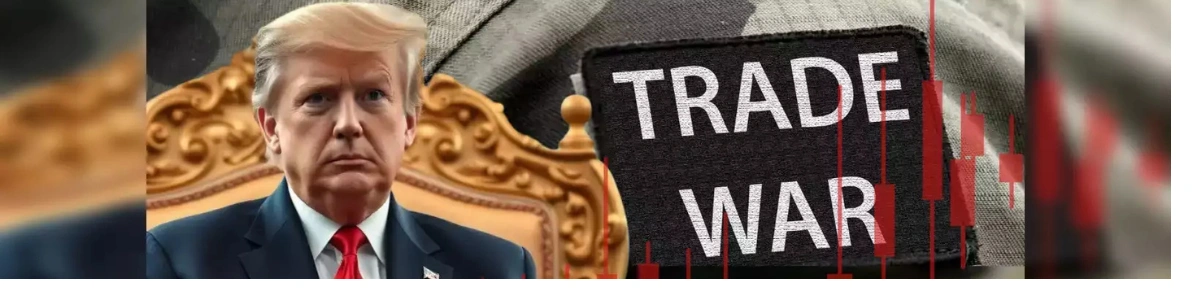
The story of Richard May is not unusual. Small firms in the US are dealing with previously unheard-of difficulties as tariffs drive expenses to unaffordable levels.
Existing charges are still in effect even though a recent 90-day moratorium on new tariffs prevented a disastrous situation in which rates would have skyrocketed to 145%. Among them:
- A 30% minimum duty on goods from China.
- A 50% import tax on products made from foreign steel and aluminium.
The average effective U.S. tariff rate increased from 2.5% when Trump took office to 18.6% in August, the highest level in over 90 years, according to Yale’s Budget Lab.
Prior to the imposition of tariffs, many businesses had accumulated raw materials and components. However, the full impact of rising costs is becoming apparent as those reserves are depleting, forcing some enterprises to close.
Sam Altman on OpenAI’s Future: Why He May Not Be the Right CEO if OpenAI Goes Public
Historic Companies Forced to Shut Down
Even century-old firms are struggling to cope.
- Howard Miller, a family-run business in Michigan that has been making handcrafted clocks and furniture for 99 years, has announced plans to close. Nearly 200 employees were employed by the company in North Carolina and Michigan, but it was unable to handle rising expenses. “The cost of necessary components that are not available domestically has increased due to tariffs, which has had a direct impact on our business,” stated CEO Howard J. Miller.
- West Side Kids, a well-known toy store in New York that has been in business for 44 years, closed its doors in July. The store’s owner, Jennifer Bergman, who inherited it from her mother, claimed that while it was already challenging to compete with Amazon, tariffs made it impossible to survive. “They believe that I will fall first, but that others will follow,” Bergman remarked.
The cost of her best-selling scooters and low-cost toys skyrocketed, and anxious consumers reduced their purchases. By June, she was aware that her income would not even be sufficient to pay the rent for July.
Bitcoin Smashes Records, Hits $124,500 Amid Policy Support and Institutional Buying
Independent Retailers Under Pressure
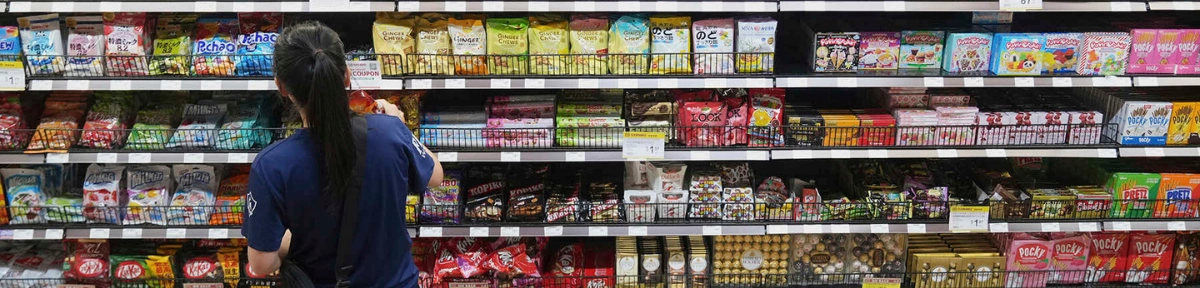
Many small business owners express similar annoyances.
Baby Paper, a business that produces toys that resemble paper, is operated by Sari Wiaz, 67. Tariffs erased already narrow margins for her, increasing costs by 25%.
She stated, “The tariffs have been devastating,” adding that it is practically hard to plan ahead due to the uncertainties.
In contrast, she said, during the COVID-19 pandemic, communities and the government offered struggling small companies lifelines. According to her, entrepreneurs are mostly on their own this time. She has observed in her networking circles that even the most stubborn entrepreneurs are “beginning to give up.”
OpenAI Launches GPT-5: India Positioned as Key Market in Global AI Push
A Startup’s Struggle in California

The tariff war has been just as harsh on younger business owners.
Nine years ago, 38-year-old Holly Eve established Madame Lemy, a California-based company that makes all-natural shampoo and powder deodorant. As internet consumers looked for environmentally responsible personal care products during the epidemic, the company experienced fast growth. Eve took out a small-business loan to increase manufacturing after being encouraged by demand.
Her excitement, however, was abruptly dashed as tariffs increased prices everywhere. She was told by U.S. contract manufacturers that since many of its components are imported, production would now cost between 60% and 200% more. China-imported packaging was likewise subject to high duties.
Eve, who was already dealing with declining sales and increased internet advertising expenses, found herself unable to make loan payments on time.
Given her personal experience, the possible demise of her business is particularly devastating. After supporting her through a divorce and a severe auto accident, Madame Lemy became a source of strength and identity. Its potential failure now seems overwhelming.
A Family’s Plea to the White House
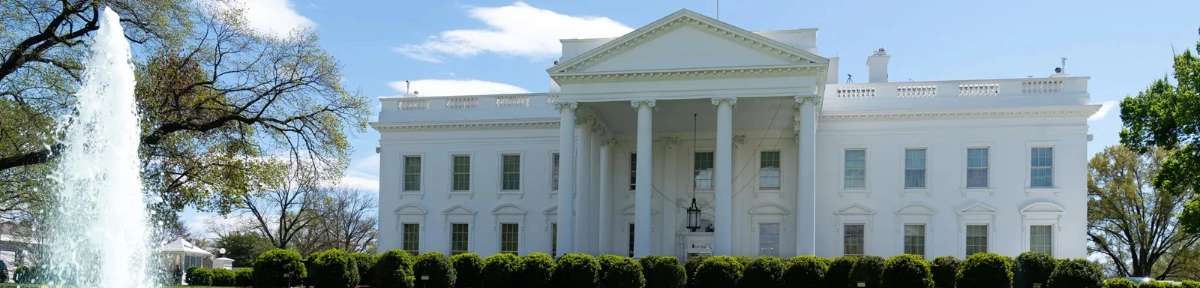
Trump supporter Stephen R. Landfield, Eve’s father, made the decision to write the White House directly. The destructive impact that tariffs are having on small businesses is something that he wanted politicians to acknowledge in his letter.
“Despite being the foundation of our nation, small businesses are unfairly singled out by these tariffs,” he said. “A lot of businesses will be forced to close. In order to prevent American small businesses owners like my daughter from being depressed by expenses beyond their control, I implore you to re-evaluate this policy.
Although tariffs are meant to safeguard American industry, his appeal draws attention to a fundamental contradiction: they frequently target the very companies that serve as the backbone of local economies.
Elon Musk and Sam Altman: Two Rebels, Two Roads, One Revolution in Learning
The Human Cost of Tariff Wars
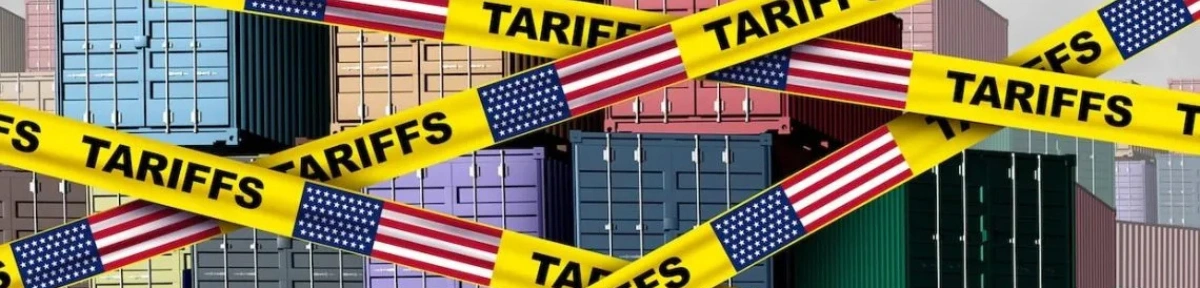
Trump’s trade policies have generated a contentious discussion about global competitiveness, but there is a human cost that goes beyond trade balances and statistics. Entrepreneurs who spent decades creating businesses now risk financial ruin, psychological distress, and the demise of long-held goals.
- For Richard May, the tariff battle is threatening the company he built after a war and decades of hard work.
- For Howard Miller, tariffs mark the end of nearly a century of craftsmanship and family tradition.
- For Jennifer Bergman, it meant the heart breaking decision to close her mother’s legacy store.
- For entrepreneurs like Wiaz and Eve, it threatens their very ability to continue.
Trump’s Tariff Offensive: Global Trade Politics Take an Unexpected Turn
Conclusion
Small businesses are taking the burden of the trade dispute between the United States and China. The impact for entrepreneurs is existential, even though the typical American consumer may perceive rising pricing.
Many companies, whether they are brand-new startups motivated by enthusiasm or century-old family factories, are now faced with the same question: Can they withstand another year of tariffs?
The answer might be bleak if the tales of May, Miller, Bergman, Wiaz, and Eve are any guide. Small businesses, the backbone of the American economy, are being strained to the limit, and many will fail in the absence of policy support.