
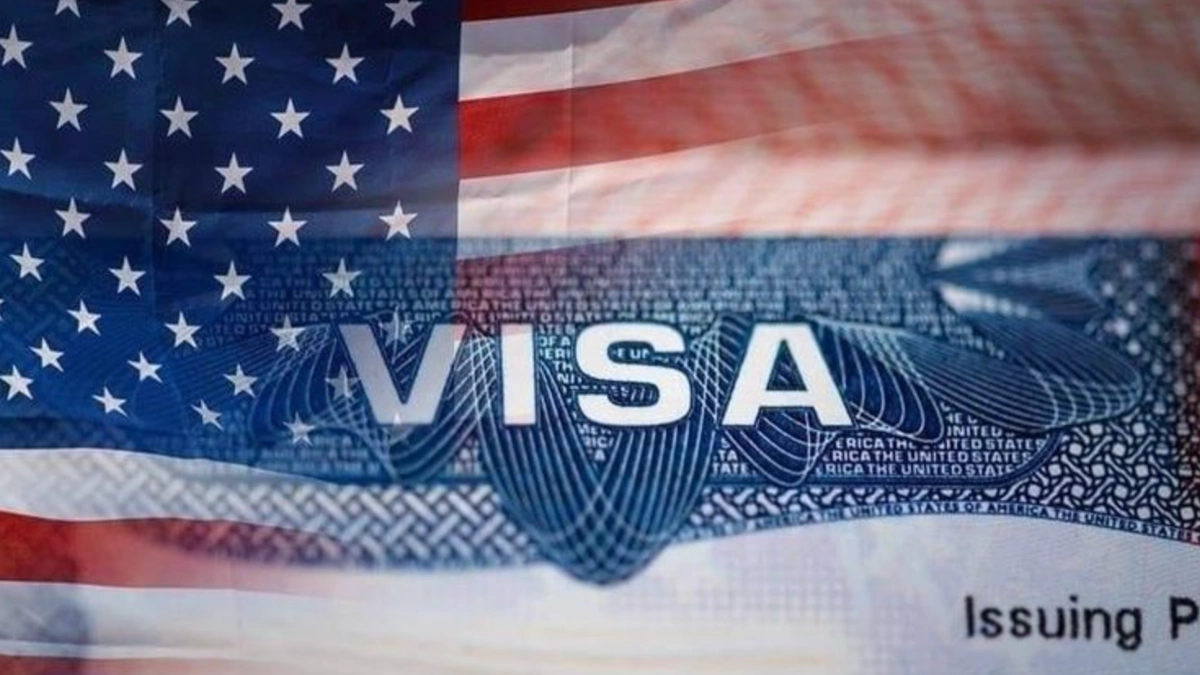
The Trump administration has initiated a comprehensive examination of over 55 million valid visas, which covers almost all foreign nationals who are lawfully in the country, the U.S. State Department said on Wednesday. Identifying those who may have overstayed, committed crimes, or participated in activities considered a threat to public safety or national security is the goal of the extraordinary operation.
“Continuous vetting” of visa holders is how the Trump administration characterises the procedure. Critics say that it may jeopardise civil freedoms, install fear in immigrants, and put a burden on the American judicial system, despite officials’ claims that it is an essential measure to protect the nation.
Trump Declares Himself “President of Peace” After Claiming to End Multiple Global Wars
Scope of the Review

All visa categories are included under the review, including family, work, student, and tourist visas. Officials say the process uses a variety of databases, including intelligence sources, immigration and law enforcement records, and more.
“As part of our ongoing commitment to protect national security, we review all available information, including law enforcement and immigration records,” a State Department official stated.
President Donald Trump’s campaign promise to make immigration enforcement a key component of his second term is reflected in this extensive sweep, which marks a significant expansion of the federal government’s immigration monitoring apparatus.
Thousands of Student Visas Already Revoked
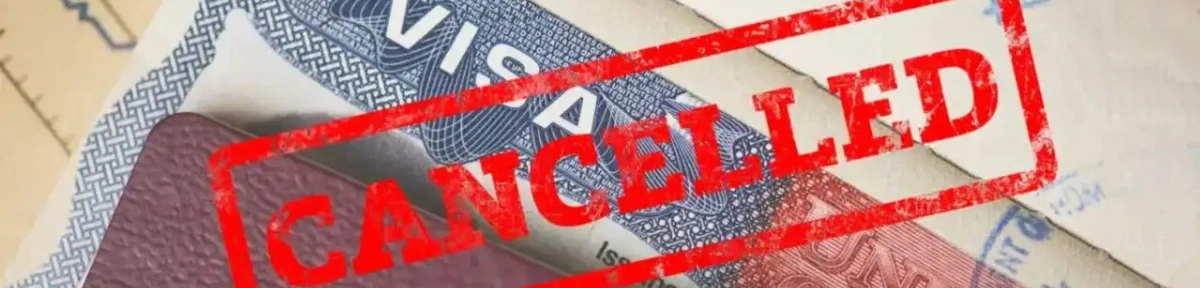
International students have been one of the initiative’s first targets. More than six thousand student visas have been cancelled since Trump took office again in January.
The reasons given are alleged ties to extremist groups, criminal activity such assault or drunk driving, and visa overstays. For actions seen to be political threats, visas were occasionally revoked.
In support of the crackdown, Secretary of State Marco Rubio cited a 1952 immigration rule that permits visas to be cancelled for actions detrimental to U.S. foreign relations. He made the contentious claim that some pro-Palestinian demonstrations on American college campuses were included in that category.
The academic community is concerned about the assertion. Universities contend that a sweeping interpretation like this jeopardises academic freedom and could discourage overseas students, who bring in billions of dollars to the American economy each year.
Trump Administration Eyes Intel Nationalization in New ‘Manhattan Project’ for Chips
Expansion of Surveillance and Data Sharing

While introducing important new capabilities, the current review builds on Trump’s previous policies. Among them:
- Enhanced social media vetting: Authorities are closely examining visa holders’ affiliations and online activity.
- Deeper inter-agency cooperation: Increased information exchange between intelligence, immigration, and law enforcement agencies.
- IRS data access: Immigration officials now have access to millions of immigrant tax returns because of a new arrangement with the Internal Revenue Service.
Although the Trump administration presents these actions as essential protections, privacy activists caution that they amount to a degradation of fundamental freedoms. Both immigrant groups and tax experts have strongly criticised the use of tax records for immigration enforcement, claiming it erodes public confidence in the system.
Sam Altman on OpenAI’s Future: Why He May Not Be the Right CEO if OpenAI Goes Public
Deportation Numbers on the Rise
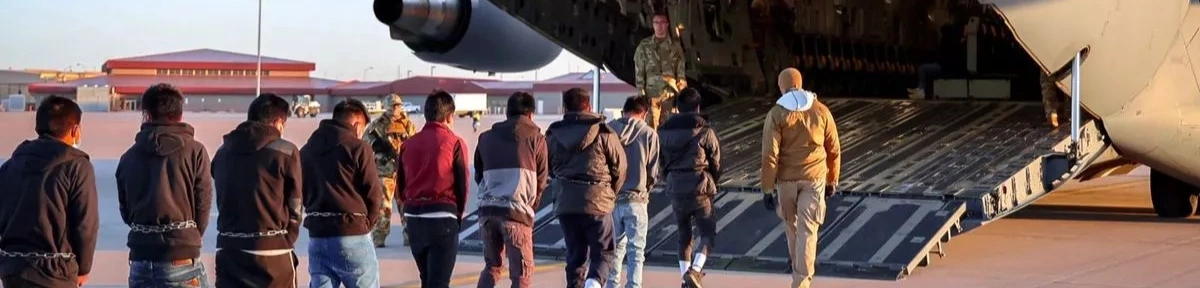
The assessment of visas is a component of a broader initiative to carry out the “largest domestic deportation operation in U.S. history,” as Trump has put it.
According to administration figures:
- 139,000 non-citizens have been deported since January.
- 150,000 more have been arrested pending deportation.
- For almost a million immigrants from nations including Haiti, Honduras, and El Salvador, the administration has taken steps to terminate their Temporary Protected Status (TPS).
Advocates contend that by taking these steps, immigration law enforcement’s confidence is restored. Critics argue that they target vulnerable groups and split apart families.
Bitcoin Smashes Records, Hits $124,500 Amid Policy Support and Institutional Buying
Civil Rights Concerns

Civil rights groups have responded with vigour. “Due-process disaster” is how the American Civil Liberties Union (ACLU) described the policy.
Xiaotian Liu, a student at Dartmouth College who was arrested earlier this year after his visa was unexpectedly cancelled, is one case that is attracting attention. He received no explicit explanation, which infuriated the faculty and students.
Critics also caution that sending people to nations with lax human rights laws could put them in danger. For instance, El Salvador has experienced an increase in political unrest and bloodshed.
Trump’s Tariff Offensive: Global Trade Politics Take an Unexpected Turn
Legal and Political Backlash

Lawsuits have been filed in response to the policy. There are currently about 40 active legal challenges in federal courts, challenging anything from the constitutionality of bulk visa revocations to data exploitation.
Lawmakers are also contributing. While some Republicans contend the steps are necessary to restore order, Democrats in Congress accuse the Trump administration of using immigration policy as a political weapon.
Fairness and consistency were called into question when whistle-blowers within immigration authorities claimed pressure to designate minor breaches as grounds for visa cancellation.
Logistical Challenges for Enforcement
The administration is confronted with substantial logistical challenges even as it speeds up deportations. The administration’s deportation targets are significantly higher than the approximately 41,500 beds that U.S. immigration detention facilities can accommodate countrywide.
Due to the lack, officials have been obliged to prioritise cases, frequently starting with those who are thought to pose a threat to national security. However, detractors claim that the program’s enormous scope makes effective enforcement improbable and puts further load on an already overworked institution.
Privacy at the Center of Debate

The use of IRS tax records is arguably the most contentious aspect of the new enforcement approach. To promote compliance, tax filings have historically been kept private. Immigration officials can now identify possible overstays or abnormalities by comparing such records with visa data.
Privacy activists worry that this precedent may undermine public trust, deterring immigrants from paying taxes and fostering a distrustful environment between federal agencies and immigrant communities.
OpenAI Launches GPT-5: India Positioned as Key Market in Global AI Push
What Lies Ahead

According to Secretary Rubio, “continuous vetting” is here to stay. Visa holders will continue to be monitored continuously rather than only once upon admission, as the administration hopes it will become a permanent aspect of U.S. immigration enforcement.
Civil rights organisations are draughting more lawsuits, and advocacy groups are urging Congress to limit the executive branch’s power in immigration cases. Meanwhile, corporations, international organisations, and academic institutions caution that the United States could jeopardise its standing as a worldwide centre of innovation and creativity.
Indian Rupee’s Decline May Offset U.S. Tariff Impact, Say Economists
Conclusion
One of the most audacious and contentious changes to U.S. immigration enforcement in decades is the Trump administration’s comprehensive visa review.
Proponents assert that it guarantees compliance, safeguards national security, and gives preference to Americans in the job market. Critics contend that it unfairly singles out communities that make significant contributions to American society, infringes privacy, and undercuts constitutional rights.
What is certain is that this policy’s future will probably be disputed not only at the White House but also in Congress, the courts, and the general public. The conclusion might determine whether the lives and prospects of millions of visa holders in the United States are abruptly uprooted or stay secure.