
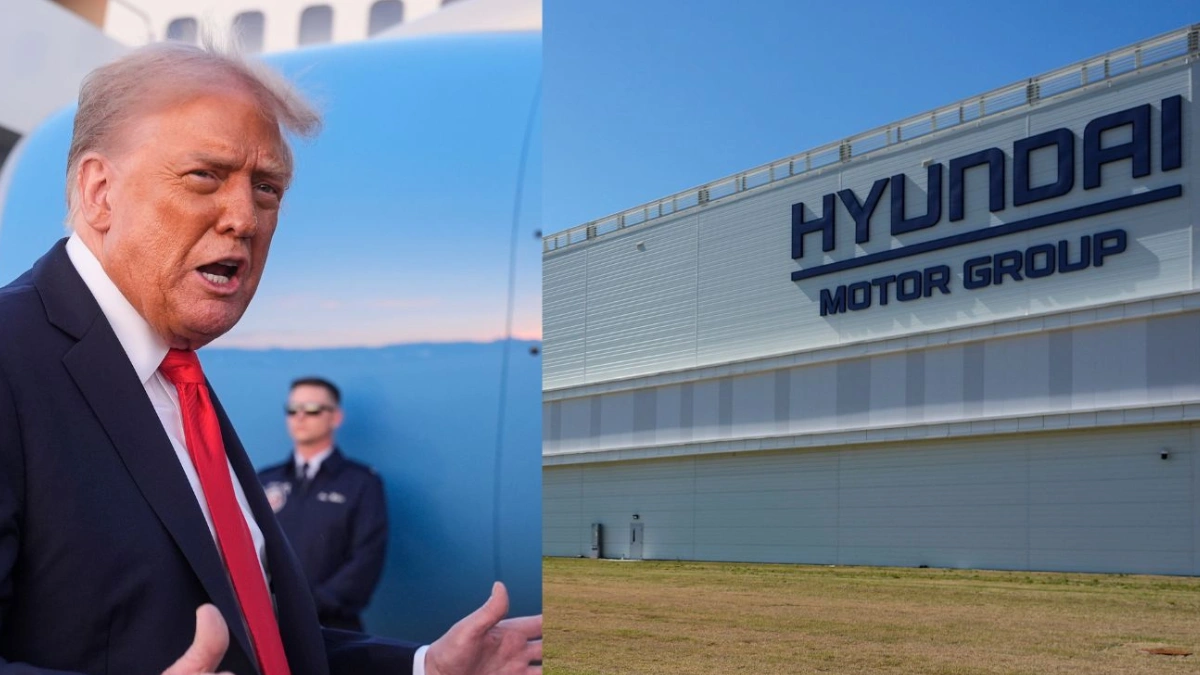
In Georgia, a significant immigration enforcement operation at a Hyundai Motor complex has sparked intense diplomatic, political, and economic responses. Assuring international businesses that their investments are still welcome, U.S. President Donald Trump addressed the subject on his Truth Social account on September 7, 2025, and urged them to adhere to America’s immigration regulations. The raid, which resulted in the arrest of about 500 workers, the most of whom were South Koreans, has heightened tensions between Washington and Seoul and sparked discussions about labour standards, immigration enforcement, and the future of foreign investment in the United States.
Ex-Harvard President Claudine Gay Warns of Trump’s Attacks on U.S. Universities
The Raid on Hyundai’s Georgia Facility

A Hyundai Motor electric vehicle (EV) battery plant in Georgia that was still under construction was stormed by hundreds of federal immigration officials on September 4, 2025. Hyundai is working with LG Energy Solution to build the facility as part of their multibillion-dollar drive into the US EV industry.
During the raid, 475 workers were arrested, most of them South Koreans, according to U.S. immigration authorities. Many allegedly overstayed their temporary visas or worked without the required paperwork. According to witnesses, the raid was extremely militarised, with armoured vehicles present and people being chained and moved under strict protection.
Reflecting the Trump administration’s hardline approach to immigration enforcement, the operation’s enormous scope made it one of the largest workplace raids in recent U.S. history.
Elon Musk’s Bold Bet on Tesla Optimus: The Future Beyond Electric Vehicles
Trump’s Message to Foreign Companies
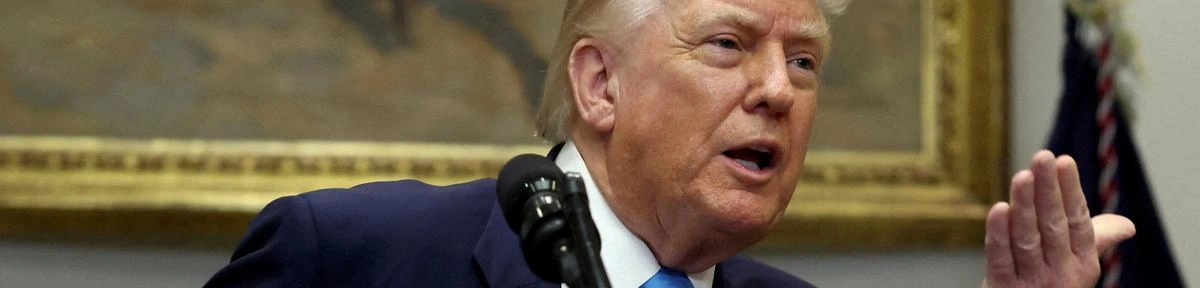
President Trump attempted to strike a balance in his Truth Social post between reassuring foreign investors and using stern language on immigration.
After the Hyundai Battery Plant in Georgia was the target of an immigration enforcement operation, he stated, “I am hereby calling on all foreign companies investing in the United States to please respect our Nation’s immigration laws.”
The United States welcomes talent and investment from throughout the world, Trump said, but he demanded that businesses follow the law when it comes to hiring. As he pledged to hire and educate American workers, he asked firms to “legally bring your very smart people.”
Trump’s continuous efforts to portray both pro-business credentials and nationalist economic policies—which prioritise American labor—in order to entice international companies to keep constructing in the United States are highlighted in the statement.
U.S. Government Publishes GDP Data on Blockchains: Trump Administration’s Bold Crypto Endorsement
Diplomatic Fallout With South Korea
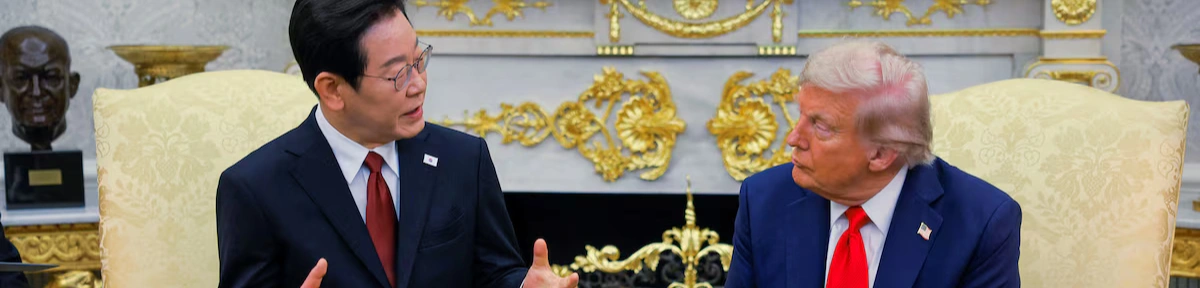
The arrests soon became a diplomatic problem. Kang Hoon-sik, South Korea’s presidential chief of staff, declared on September 7 that Seoul and Washington had come to an agreement to ensure the release of over 300 South Korean workers who were arrested.
A charter flight is being organised by the South Korean government to repatriate the workers, subject to final administrative clearances. Cho Hyun, the foreign minister, is expected to visit Washington in the interim to hold direct discussions with American authorities.
Seoul said it deeply regretted the attack, especially the pictures of the armoured vehicles escorting the shackled Korean workers. In addition to calling on Hyundai and its contractors to be held accountable for guaranteeing lawful employment arrangements, South Korean media has attacked the United States for treating talented workers like criminals.
Elon Musk’s xAI and Grok Chatbot Returns to Government Procurement List
U.S. Immigration Policy Under Trump
The Trump administration’s mass deportation goal, a major component of his immigration policy since taking office again, includes the Hyundai raid. Trump has stated time and time again that he will take tough measures against undocumented labour since it deprives American workers of jobs and earnings.
Such large-scale workplace raids have not occurred frequently in recent decades. Prior governments paid less attention to workers and more attention to employers that broke labour regulations. However, Trump’s strategy has been more aggressive and well publicised, with the goal of discouraging businesses from using illegal labour while sending a message of political toughness to his supporters.
According to critics, these raids frequently cause issues with human rights, interfere with business operations, and sour diplomatic ties with allies of the United States. Advocates argue that they are essential to preserving American jobs and the rule of law.
The Stakes for Hyundai and the EV Industry
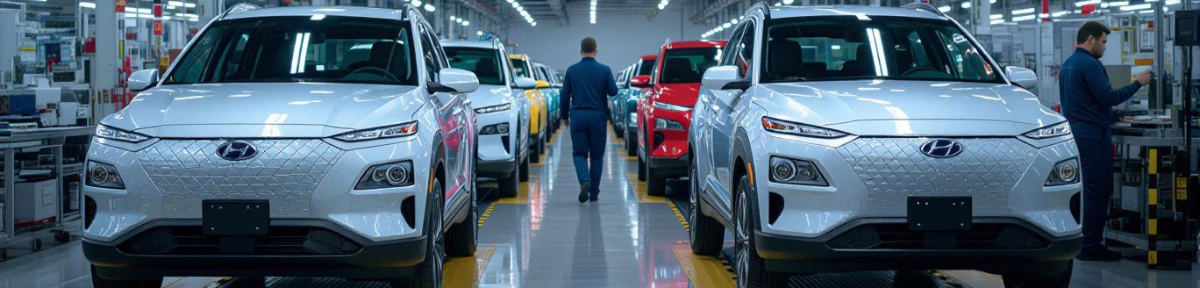
The Hyundai plant in Georgia is one of the biggest foreign direct investments in the electric vehicle industry in the United States. Together with LG Energy Solution, the company is constructing the factory to supply batteries for the quickly growing American EV industry.
The raid presents Hyundai with a number of urgent issues:
- Labor Shortages: Worker detention and deportation may cause construction schedule delays and compromise production goals.
- Reputation Risk: Hyundai’s reputation could be damaged by claims that it is hiring illegal labour.
- Regulatory Scrutiny: Future operations of Hyundai may be subject to more scrutiny from US authorities, which would increase the burden of compliance.
The event serves as a reminder to the larger EV industry of the difficulties in expanding production in the United States while managing intricate immigration regulations and a labour shortage. For specialised engineering and construction jobs that are difficult to fill domestically, many businesses rely on qualified overseas personnel.
Trump’s Balancing Act: Nationalism vs. Globalization
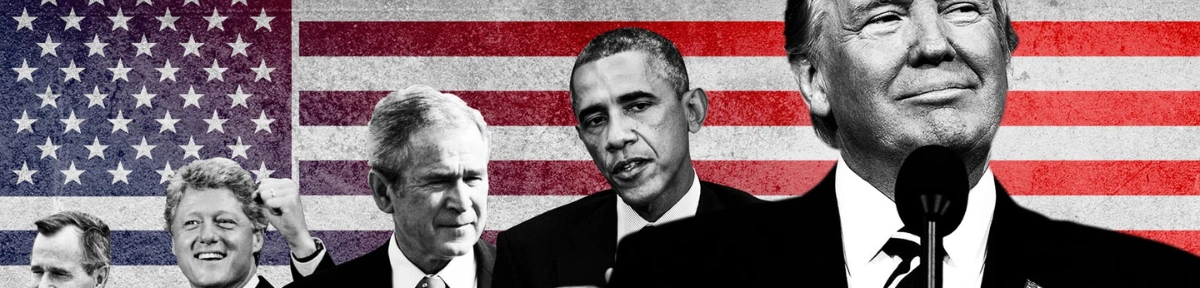
Trump’s response to the Hyundai raid is indicative of the larger conflict at the core of his economic program. His America First policies prioritise U.S. workers and call for tough enforcement of immigration rules. However, he also wants to draw in a lot of foreign capital for manufacturing, particularly in key areas like defence, semiconductors, and electric vehicles.
By urging businesses to lawfully hire “smart people,” Trump is indicating that he does not oppose foreign expertise in general but rather that it should only come through strictly regulated legal methods. His position enables him to win over both corporate executives looking for regulatory clarity and protectionist voters.
South Korea’s Domestic Response
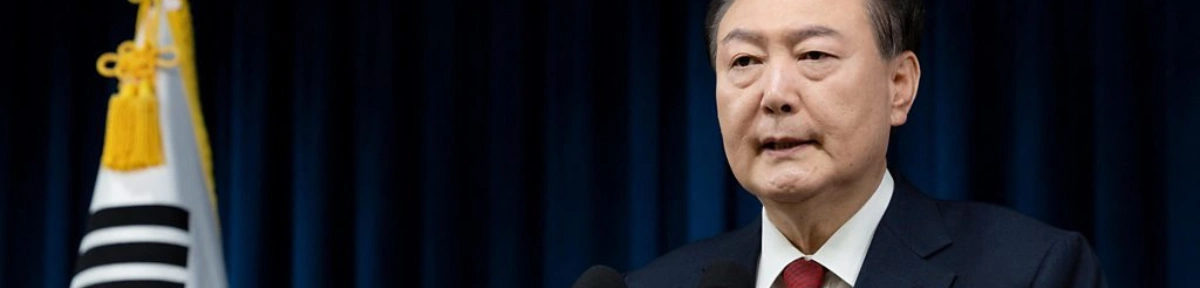
South Korean politics have been rocked by the raid. The administration of President Lee Jae Myung has come under fire from opposition parties for allegedly failing to protect Korean people overseas. Hyundai is under pressure from labour groups to clarify how so many Korean nationals were placed in dubious job situations at the American facility.
To stop such occurrences, there are also requests for increased government control over labour contracts abroad. Pressure is mounting on South Korea’s Foreign Ministry to negotiate protections that guarantee Korean businesses and employees abroad receive equitable treatment under U.S. law.
U.S. Sees Sharp Decline in International Student Arrivals Amid Policy Shifts
Human Impact of the Raid

Hundreds of families have been profoundly impacted by the raid, even beyond the political and economic headlines. To assist in the construction of the cutting-edge EV battery plant, many of the jailed employees had been temporarily assigned to the United States. Families are now dealing with stigma, job losses, and financial uncertainty as a result of the abrupt arrests and deportations.
Human rights activists have denounced the raid’s tactics, calling them unduly violent. Social media in both nations was enraged by the pictures of shackled workers, which fuelled discussions on the treatment of immigrant workers in the United States and the dignity of labour.
Tesla’s $29 Billion Elon Musk Equity Package Sparks New Pay Battle
Looking Ahead: Possible Outcomes

The Hyundai raid could have far-reaching consequences:
- Policy Adjustments – Trump may introduce new regulations to expedite the legal process for qualified foreign workers while stiffening sanctions against businesses that break immigration laws.
- Bilateral Negotiations – New labour agreements might be negotiated between the US and South Korea to avoid future crises and safeguard their respective economies.
- Industry-Wide Caution – Other foreign firms might reconsider their compliance plans and labour practices in the United States in order to stay out of trouble with immigration officials.
- Political Implications – In the 2026 midterm elections, Trump’s response to the raid may be a topic of discussion, with Democrats denouncing the humanitarian consequences and Republicans applauding his toughness.
Trump Administration’s Sweeping Visa Review Raises Alarms Across the U.S.
Conclusion
The raid on Hyundai‘s Georgia plant has turned into a hot topic in discussions over labour legislation, immigration, and foreign investment. The administration’s resolve to change how foreign businesses conduct business in the United States is reflected in President Trump’s demand that businesses adhere to American laws.
Even while Trump says that foreign investments are welcome, the story highlights the delicate balance that must be struck between upholding immigration laws and encouraging global corporate alliances. In addition to being a diplomatic headache, the episode serves as a warning to South Korea regarding labour rights elsewhere.
In the end, the Hyundai raid highlights how complicated globalisation is in a time of growing nationalism, where immigration enforcement and economic cooperation frequently clash.