
Neuralink is getting ready to move towards high-volume manufacture of its brain-computer interface (BCI) devices by 2026, according to Elon Musk. The company’s clinical studies, robotic surgery systems, and manufacturing capabilities are all making steady progress, and Musk revealed the update via a post on X, his social media site.
As Neuralink strives to transition from experimental testing to scalable medical deployment, this action marks a turning point. Although the technology is still in its early clinical stages, the company is concentrating more on improving its systems to enable broader deployment after safety and regulatory milestones are met.
Sam Altman Warns of Growing Risks as AI Agents Become More Powerful
From Experimental Implants to Scalable Technology

Neuralink’s development roadmap has undergone a significant transformation with its anticipated transition to large-scale production. The firm has positioned itself as a leader in neurotechnology from its establishment, with the goal of developing implantable devices that directly link computers to the human brain.
Thus far, the emphasis has been on small-scale clinical studies, safety testing, and proof-of-concept demonstrations. Neuralink’s move towards mass production indicates that it thinks its fundamental technology is developing and that its surgical and manufacturing procedures will eventually enable wider adoption.
Scaling production will only happen in tandem with ongoing improvements to hardware, software, and surgical dependability, business representatives stress.
Trump and Netanyahu Showcase Strong Political Bond During Mar-a-Lago Meeting
Automation at the Center of Neuralink’s Surgical Strategy
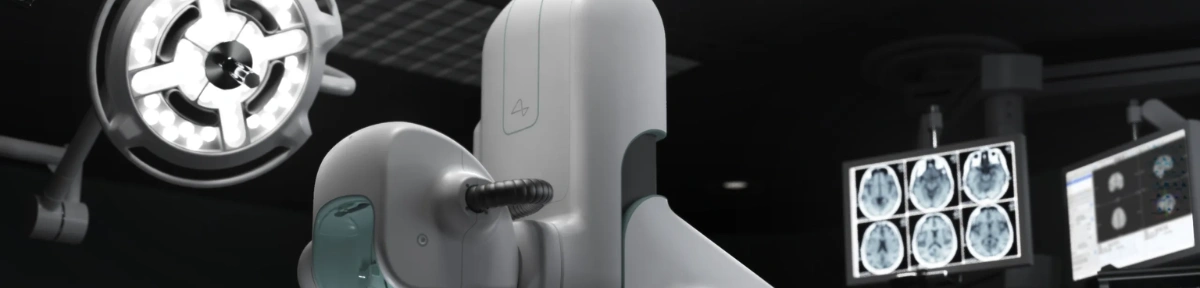
Complete automation of the implant process is a major component of Neuralink’s strategy. With the use of a specialised robotic system built to carry out the delicate implantation procedure with extraordinary precision, Musk claims that the company intends to make the procedure mostly automated within the next year.
Ultra-thin, flexible electrode threads are inserted by the robot into the motor cortex of the brain. These threads are made to detect and transmit neural impulses without seriously harming the surrounding tissue. They are thinner than human hair.
It is believed that automation is necessary to scale the technology. Neuralink aims to increase uniformity, reduce surgical risk, and cut treatment times by minimising reliance on highly specialised manual procedures.
Nvidia Deepens Its AI Hardware Dominance Through Strategic Deal With Groq
A Breakthrough in Minimally Invasive Brain Surgery

The robot’s capacity to put electrode threads through the dura mater, the brain’s outer protective layer, without removing it, is one of the most important technological achievements that Musk highlighted. Traditionally, extensive surgical procedures that increase complexity and recovery time have been needed to penetrate this layer.
Neuralink wants to make the process less invasive and more repeatable by not removing the dura. This strategy may help standardise the implantation procedure and lessen surgical difficulties, both of which are essential for widespread adoption.
Although experts point out that brain surgery poses significantly more technological and ethical problems, Musk has compared the procedure’s long-term vision to laser eye surgery, which is routine, accurate, and broadly accessible.
What Neuralink’s Brain-Computer Interface Is Designed to Do

The main goal of Neuralink’s brain-computer interface is to help individuals with serious neurological disorders regain lost abilities. Patients with amyotrophic lateral sclerosis (ALS), spinal cord injuries, and other conditions that impair brain-body communication are the intended audience for the device.
The implant enables users to operate computers, software interfaces, and even tangible things with just their thoughts by converting neural signals into digital commands. People who have lost their capacity to communicate, move about, and be independent due to illness or disability may be able to regain these skills because to this talent.
At least in its early stages, Neuralink places its work in the larger field of rehabilitative neurotechnology rather than consumer enhancement.
Trump Warns Jeffrey Epstein File Releases Could Damage Innocent Reputations
Progress in Human Clinical Trials
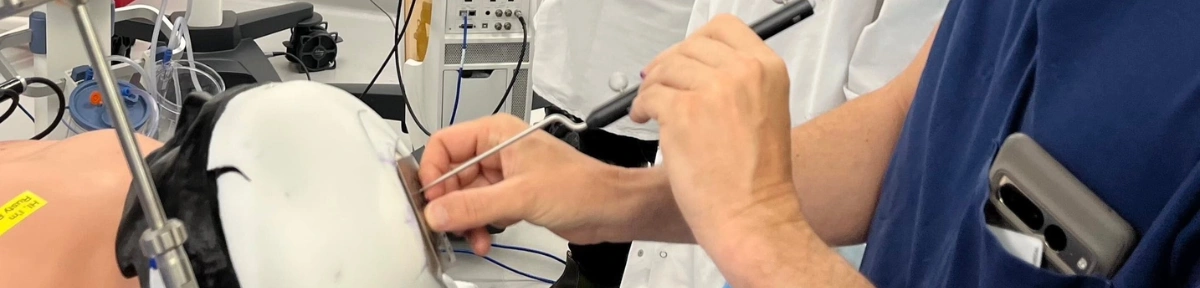
Early in 2024, Neuralink implanted its first brain-computer interface in a human. Since then, the business has gradually expanded its clinical trial program, performing surgeries on 12 people in various places.
According to Neuralink, participants have successfully shown that they can use solely brain impulses to operate robotic devices, play video games, input text, and manipulate digital cursors. Although they are still only being used in limited clinical trials, these early demonstrations have garnered a lot of attention.
Before considering wider deployment, the company keeps a careful eye on patients to evaluate long-term safety, signal stability, and device durability.
Sam Altman Reveals OpenAI’s “Code Red” Is a Recurring Strategy, Not a Singular Crisis
Using Early Results to Refine the Technology

Data collected from human trials is being utilised to direct future advancements in software and hardware. While software upgrades concentrate on enhancing decoding accuracy and user experience, Neuralink engineers are optimising the implant’s construction to improve signal quality, lifespan, and comfort.
The continuous advancement of the surgical robot and its auxiliary equipment is equally crucial. Every process offers insights into how the automation process can be enhanced to improve consistency and decrease errors.
The company’s objective of fusing quick engineering feedback loops with clinical research is reflected in this iterative methodology.
Bill Gates Warns of AI Valuation Risks Amid Hyper-Competitive Market
Funding and Manufacturing Expansion
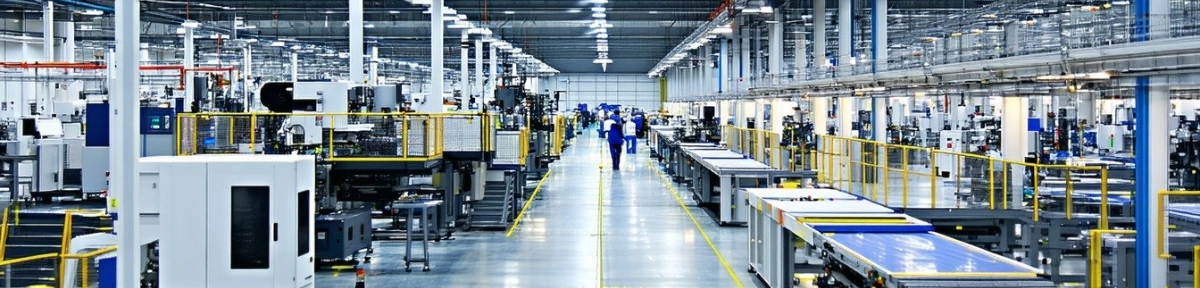
Following the completion of a $650 million Series E investment round in June 2025, Neuralink is moving towards high-volume manufacture. The capital required to increase manufacturing capacity and speed up development was provided by the investment, which valued the company at about $9 billion.
A chunk of the cash is going towards constructing and modernising manufacturing facilities that can produce implants on a large scale. Resources are being set aside concurrently to facilitate increased clinical studies and regulatory involvement.
If the technique gets the requisite permits, scaling manufacturing is considered a crucial step to fulfil future demand.
F-1 Visa Case Under Section 221(g) Highlights Growing Role of Social Media Screening
The Competitive Landscape of Brain-Computer Interfaces

Neuralink is not the only company creating technologies for brain-computer interfaces. Similar systems are being developed by a number of academic institutions and private businesses, frequently concentrating on less intrusive methods or more limited therapeutic applications.
Neuralink is unique due to its focus on high-volume manufacturing and robotic surgery. Once clinical and regulatory obstacles are removed, the company hopes to outpace rivals by incorporating automation into both implantation and production.
But because scaling an intrusive medical technology creates difficult ethical, safety, and legal issues, this strategy also puts Neuralink under more scrutiny.
ChatGPT Leads a Crowded AI Chatbot Field as Rivals Gain Ground in 2025
Why 2026 Is a Crucial Milestone

According to Musk, 2026 is a crucial goal year for Neuralink’s shift to mass production. This demonstrates the company’s goal to advance beyond experimental stages and into useful medical application, even though it does not mean imminent mass deployment.
Although a lot depends on clinical results, regulatory approvals, and long-term safety data, the schedule indicates confidence in the rate of technological advancement. Failures in these areas could cause the transition to be delayed.
Neuralink is still concentrating on refining its technology for the time being rather than rushing to market.
US Government Launches Tech Force to Recruit 1,000 Engineers for Federal Service
Conclusion
An important turning point in the development of brain-computer interface technology is Neuralink‘s intention to pursue high-volume production by 2026. Automated surgery, sophisticated robotics, and scalable manufacturing are all part of an ambitious effort to transform a difficult medical advancement into a medicine that is widely available.
Although early human studies have produced encouraging results, there are still obstacles to overcome. The speed and scope of Neuralink’s technology adoption will depend on a number of factors, including safety concerns, ethical discussions, and regulatory obstacles.
The following two years are crucial. Neuralink has the potential to revolutionise the treatment of neurological disorders and usher in a new era of human-machine connection if it is able to successfully convert its experimental discoveries into dependable, scalable medical treatments.