
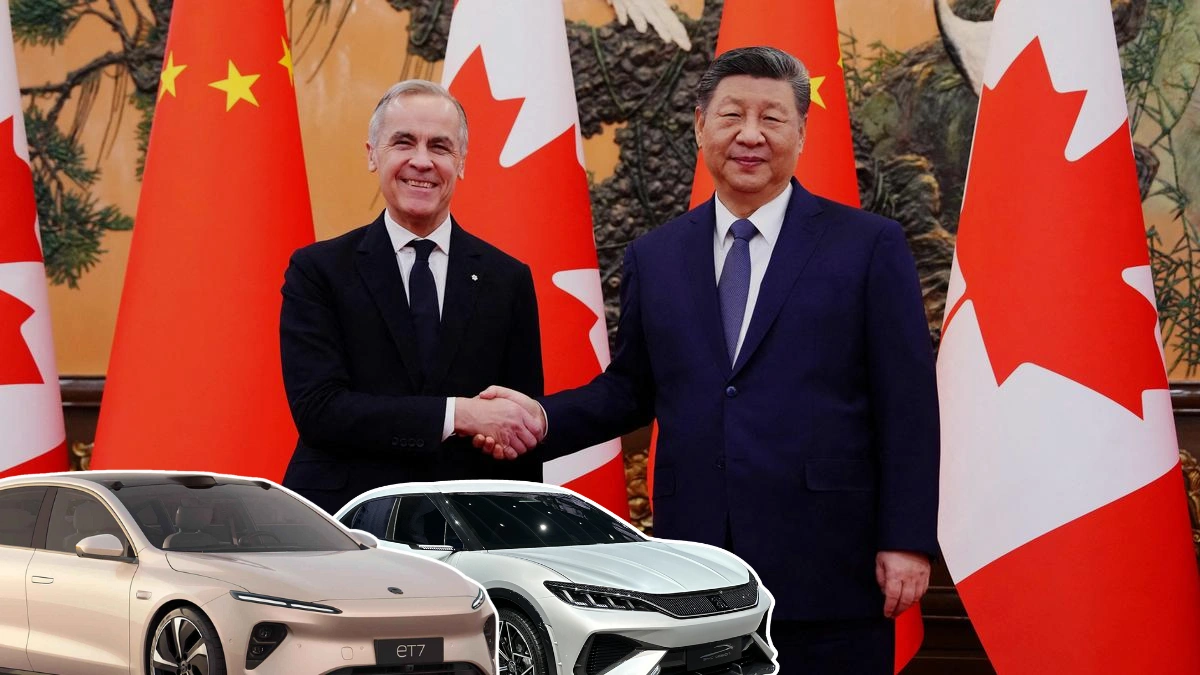
In a significant shift in trade and automotive policy, Canada has agreed to reduce tariffs on electric vehicles (EVs) imported from China, marking a departure from U.S. policy and setting the stage for notable changes in North American EV markets. The move reflects Canada’s efforts to make electric vehicles more affordable for consumers and boost competition in its rapidly growing EV sector. At the same time, it highlights differing approaches between Canada and the United States on trade, supply chains, and economic strategy.
This article explores what the tariff cut entails, why Canada adopted this policy, its implications for consumers and automakers, and how it contrasts with U.S. policies on Chinese EV imports.
What Canada’s Tariff Cut Means

Canada’s federal government has announced that it will reduce or eliminate import duties on electric vehicles made in China, a pivotal decision intended to lower retail prices and accelerate EV adoption across the country.
Before this change:
- Chinese EVs faced tariffs that made them less competitive compared to domestic brands or imports from other regions.
- Higher tariffs discouraged price-sensitive Canadian buyers from considering Chinese EV brands.
With the tariff reduction:
- The import cost of Chinese EVs is expected to fall significantly.
- Canadian dealers may offer lower prices to consumers.
- Chinese automakers could gain stronger retail footholds in the Canadian market.
This shift is part of a broader policy goal: to promote EV uptake by making them more economically accessible, reduce greenhouse gas emissions, and support Canada’s climate commitments.
Why Canada Took This Step?

1. Lowering Consumer Prices
Electric vehicles continue to be more expensive upfront than traditional internal combustion vehicles, even though they are cheaper to operate in the long run. High tariffs further inflate prices.
By cutting tariffs on Chinese EVs, Canada aims to:
- Boost affordability for middle-income consumers.
- Expand choices in the EV market.
- Encourage automotive electrification as part of environmental policy.
2. Expanding Market Competition
Canadian EV buyers historically had limited options, dominated by:
- Imports from the U.S. (e.g., Tesla)
- European brands (e.g., Volkswagen, BMW)
- Japanese and Korean manufacturers
Removing trade barriers for Chinese brands introduces greater competition, potentially driving down prices across the board and compelling all manufacturers to innovate and offer better value.
3. Aligning With Green Goals
Canada has set ambitious climate targets, including net-zero emissions by 2050. Transportation accounts for a significant share of greenhouse gas emissions, and electrifying personal and commercial vehicles is seen as essential to meeting climate objectives.
Lower EV prices could:
- Accelerate the transition to electric mobility
- Reduce dependence on fossil fuels
Support Canada’s environmental agenda
How This Breaks With U.S. Policy

The tariff decision represents a clear divergence from the United States, where policymakers have taken a more cautious or protectionist approach toward Chinese EV imports.
U.S. Concerns Over Domestic Industry
In the U.S., policymakers have expressed concerns that:
- Cheaper Chinese EVs may undercut American manufacturers.
- China’s government support for local EV companies could lead to unfair competition.
- A flood of low-cost imports might weaken domestic automotive supply chains.
As a result, U.S. trade policy has leaned toward:
- Tariffs or trade barriers on certain EV imports
- Incentives for manufacturers to build EVs domestically
- Subsidies aimed at strengthening local EV supply chains
Canada’s tariff cut contrasts sharply with this stance, showing greater openness to Chinese participation in the North American EV market.
Different Economic Priorities
The U.S. strategy focuses on protecting and growing domestic EV production, while Canada’s policy emphasizes consumer affordability and rapid EV adoption. Both approaches reflect valid economic priorities but point to diverging philosophies in handling trade with China.
Which Chinese EV Brands Could Benefit?
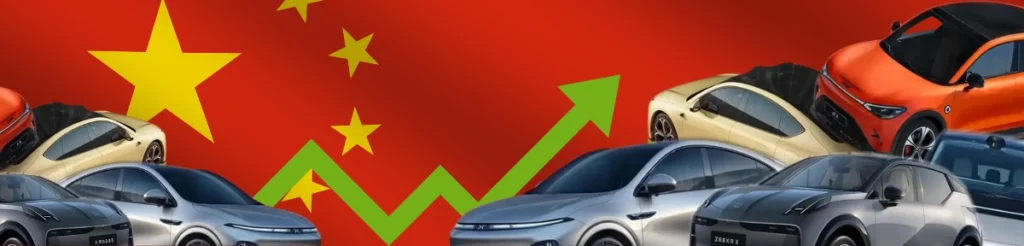
Several Chinese electric vehicle makers are positioned to enter or expand in the Canadian market, including:
- BYD (Build Your Dreams): One of the world’s largest EV manufacturers with competitive pricing and a broad model lineup.
- NIO: Premium electric vehicles with advanced features and tech-driven designs.
- Xpeng Motors: Known for technology integration, autonomous driving features, and value pricing.
- Geely / Zeekr: A growing presence with both EV and hybrid models.
These brands have already seen success in European and Asian markets and now may find a more welcoming environment in Canada.
Impact on Canadian Consumers

1. Greater Affordability
One of the most immediate effects will likely be lower retail prices for EVs. With tariffs reduced or eliminated, import costs drop, enabling dealerships to offer discounts or pass savings directly to buyers.
This could:
- Expand the EV market beyond affluent customers
- Make EVs viable for first-time buyers
- Reduce the financial gap between EVs and conventional vehicles
2. Increased Choices
Canadian EV buyers will have access to a wider array of models, from budget segment cars to premium electric SUVs and crossovers.
Automakers competing for market share may offer:
- Longer warranties
- Free charging incentives
- Competitive financing plans
3. Faster Adoption
Lower costs and more options could significantly accelerate EV adoption. This helps Canada:
- Reduce reliance on fossil fuels
- Build out charging infrastructure more rapidly
Align individual purchasing behavior with national climate goals
Impact on the Automotive Industry

1. Pressure on Other Automakers
International brands, including those from the U.S., Europe, and Japan, may face pricing pressure as Chinese EVs gain market share through cost competitiveness.
Manufacturers might respond by:
- Reducing prices
- Introducing new models tailored to Canadian preferences
- Accelerating innovation to maintain desirability
Competition often spurs innovation and cost efficiencies, which could benefit consumers overall.
2. Opportunities for Local Suppliers
Increased sales of EVs — regardless of origin — may help build local EV infrastructure, including:
- Charging networks
- Maintenance and repair services
- Training for EV specialists and technicians
While Canada does not have a large domestic auto manufacturing base, these adjacent industries could see significant growth.
Political and Trade Implications

The move has generated discussion both domestically and internationally.
1. U.S.–Canada Trade Dynamics
The tariff divergence highlights a trade policy gap between Canada and the United States:
- Canada’s more open stance on imports
- U.S. emphasis on domestic production and trade protection
While both nations remain close partners, differences on specific sectors like EVs could shape future negotiations and economic strategies.
2. China’s Role in Global EV Markets
China is already the world’s largest producer and exporter of electric vehicles. Canada’s tariff cut can be interpreted as recognition of China’s growing role in the global EV ecosystem.
As global markets become more interconnected, policies that embrace competition may help countries achieve climate goals more efficiently.
Challenges and Concerns

Despite its potential benefits, the policy change also raises questions.
1. Quality and Safety Standards
Imported EVs must meet Canadian safety, emissions, and technical standards. Consumers and regulators will watch to ensure that cheaper Chinese EVs still provide:
- High build quality
- Long-term durability
- Reliable aftercare and service networks
2. Supply Chain Adjustments
Increased imports could shift trade balances and affect local suppliers who rely on traditional automotive parts. The industry must adapt to changes in demand for EV components versus conventional vehicle components.
3. Currency and Tariff Stability
International trade policies can change with elections, diplomatic tensions, or economic shifts. Importers, dealers, and consumers may face uncertain future tariffs or regulatory changes, so long-term planning remains cautious.
Looking Ahead

Canada’s tariff decision may serve as a test case for how open markets can shape EV adoption strategies. If successful, it could:
- Influence other countries to reconsider tariff policies
- Encourage EV manufacturers to prioritize global market access
- Push international cooperation on electric mobility
For consumers, more affordable options could accelerate the transition to electric vehicles faster than previously forecast.
Conclusion
Canada’s decision to cut tariffs on Chinese electric vehicles represents a bold departure from U.S. policy and a strategic move to make EVs more accessible to Canadian buyers. It highlights different economic philosophies that coexist between two geographically close yet policy-distinct nations.
By reducing costs, expanding consumer choice, and promoting environmental goals, Canada’s approach could reshape EV demand and influence global automotive trade. As the EV revolution continues to unfold, policies like these may determine how quickly countries can achieve electrification targets and compete in a rapidly evolving global market.