

Former U.S. President Donald Trump has launched a controversial global initiative known as the “Board of Peace”, a proposed international body with the stated aim of overseeing the next phase of the Gaza peace process and potentially broader conflict resolution efforts worldwide. However, the project — which Trump has described as a prestigious assembly of world leaders — has drawn mixed responses from countries around the globe. Some have embraced the invitation, others have hesitated or declined, and many remain in cautious limbo. The initiative highlights deep geopolitical divides over how international peace efforts should be structured and who should lead them.
What Is the Board of Peace?
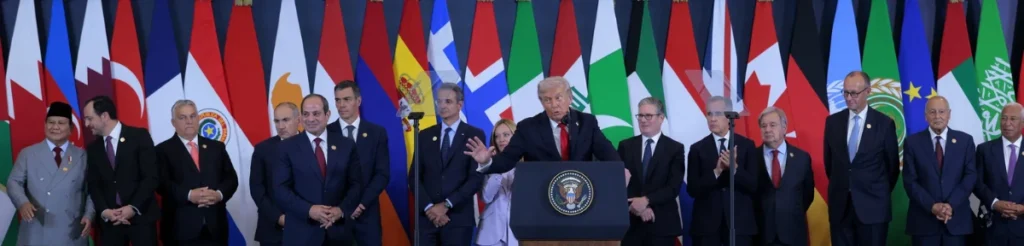
Trump’s Board of Peace is an initiative he introduced as part of a broader peace strategy focused initially on Gaza following prolonged conflict involving Israel and Hamas. The board is envisioned as a council of national leaders tasked with managing post-ceasefire reconstruction, supervising disarmament, and coordinating long-term stability in the region. Trump has proposed that the board might later expand its scope to address global conflicts beyond Gaza.
A key and unusual feature of the board is its governance structure: Trump would serve as lifelong chairman, with other members appointed for three-year terms unless they make a $1 billion contribution securing a permanent seat. The high cost for permanent membership has been one of the most controversial aspects of the plan.
Critics argue that the board could undermine the authority of the United Nations Security Council — a body long recognized as the primary international mechanism for peace and security — and that it may serve U.S. strategic interests rather than impartial global peace efforts.
Countries That Have Accepted the Invitation
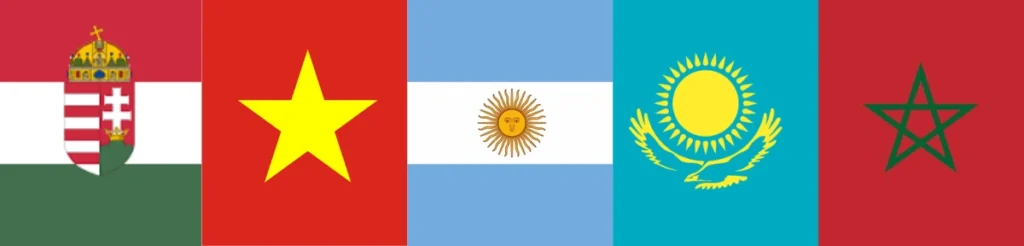
As of mid-January 2026, only a handful of countries have publicly confirmed their acceptance of invitations to join Trump’s Board of Peace.
1. Hungary
Hungary, led by Prime Minister Viktor Orbán, has accepted the invitation. The country has been described as one of the more supportive European governments toward Trump’s broader geopolitical vision, and Foreign Minister Péter Szijjártó confirmed Hungary’s participation.
2. Vietnam
The Communist Party leadership in Vietnam, represented by General Secretary Tô Lâm, has also accepted membership and appears ready to participate actively in the board’s activities.
3. Argentina
Argentine President Javier Milei has stated that it is an “honor” to be invited and has accepted the founding member position, per reports. Argentina’s participation was widely covered in international media.
4. Kazakhstan and Morocco (Reported)
Multiple sources indicate that both Kazakhstan and Morocco have publicly signaled acceptance, though details on the terms of their formal participation are still emerging.
These acceptances have come amid a broader context in which relatively few nations have taken the bold step of publicly attaching their names to the board, illustrating hesitation among key global players.
Countries That Have Declined or Are Hesitant
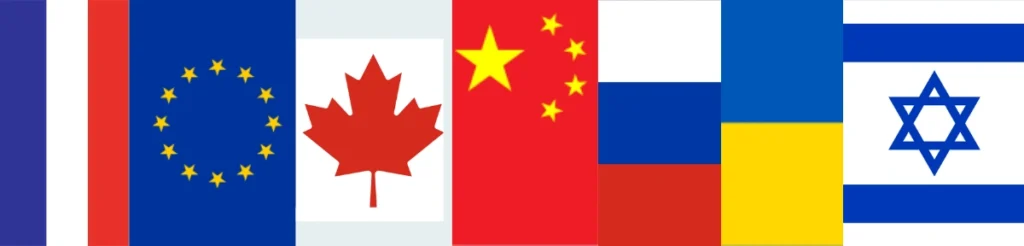
While a small number of states have agreed to join, several influential nations have either declined outright or adopted a cautious “reviewing” stance.
1. France
France has been one of the most vocal early critics of the initiative. President Emmanuel Macron’s government has declined the invitation, highlighting concerns that Trump’s board may weaken the role of the United Nations and extend beyond its stated Gaza mission. French officials stressed that multilateral efforts should remain under the established UN framework, rather than creating a parallel structure.
2. European Union and Most EU Members
Most European Union members — including Germany, the United Kingdom, Sweden, and others — are signaling that they will not participate or are carefully reviewing the invitation. Diplomatic sources suggest that EU countries share concerns about the board potentially undermining the legitimacy of existing international institutions such as the UN Security Council.
3. Canada
Canada has confirmed that it received an invitation, but Ottawa has made it clear that it will not pay for a permanent seat — and has not committed to membership at all, indicating reluctance to join under current terms.
4. China
China has acknowledged receiving an invitation, but Beijing has neither accepted nor rejected it. Chinese officials have emphasized the importance of stable relations with the United States and signaled that any decision will carefully safeguard national interests.
5. Russia
Russian President Vladimir Putin has been formally invited, and the Kremlin has stated it is studying the proposal. Moscow’s response remains uncertain, with officials asking for greater clarity on the initiative’s details.
6. Ukraine
Ukraine, another invited state according to several diplomatic lists, has not yet responded publicly. Kyiv’s leadership is reportedly evaluating the offer amid heightened tensions with both Russia and broader geopolitical priorities.
7. Other Nations Still Assessing Invitations
Countries such as India, Australia, Pakistan, Jordan, Greece, Cyprus, Turkey, Egypt, Paraguay, Brazil, and others have confirmed receiving invitations but have not publicly accepted or declined as of early reports. Many are said to still be consulting with domestic stakeholders and allies before making a final decision.
8. Israel’s Mixed Response
Israel, despite being central to the Gaza context which spawned this initiative, has not fully embraced the board. Some Israeli far-right ministers have vocally opposed participation, arguing it undermines national security strategy and lacks proper coordination with Israel’s policies.
Why Some Countries Are Hesitant or Oppose the Initiative?

The responses from countries around the world reveal a complex mix of diplomatic concerns:
Concerns About Undermining the United Nations
France and many EU members have openly stated that the board’s structure and proposed authority could weaken the role of the United Nations, the traditional global peacekeeping institution established after World War II. They argue that international conflict resolution should remain within the UN framework to ensure legitimacy and broad participation.
Fear of Personalization of Peace Diplomacy
Trump’s proposal envisions himself as lifelong chair of the board, a governance model that many leaders see as highly personalized and politically charged. This raises concerns about consistency and adherence to international law, particularly since membership conditions include sizable financial contributions tied to permanent status.
Geopolitical Calculation and Domestic Politics
Many governments are wary of being perceived as aligning too closely with U.S. executive initiatives that may conflict with their broader foreign policy goals. Some nations, particularly those with strong multilateral traditions or strategic partnerships with other major powers, prefer to remain neutral or continue consultations before committing.
What’s Next for the Board of Peace?
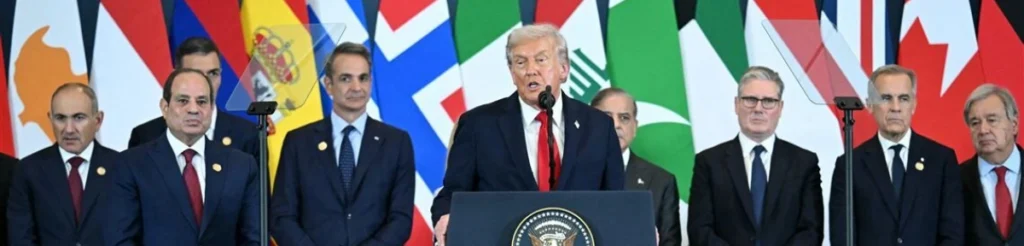
Trump is expected to formalize the board at the World Economic Forum in Davos, Switzerland, where he plans a signing ceremony to convene invited leaders and outline the board’s mission and structure. Final membership is likely to be announced there, but political analysts predict further debate over legitimacy, funding, and purpose.
The Board’s future — whether it truly becomes an influential peace mechanism or remains a symbolic geopolitical gesture — hinges on how many countries ultimately join and how effectively it complements, rather than competes with, established international institutions.
Conclusion
Trump’s Board of Peace has sparked a mixture of acceptance, caution, and outright rejection among world leaders. So far, Hungary, Vietnam, Argentina, Kazakhstan, and Morocco have publicly confirmed their participation. France and many European Union members have declined or expressed serious reservations. Other nations — including China, Russia, India, Canada, Egypt, and others — remain undecided or noncommittal.
As the initiative evolves, the final roster of participants will offer important clues about the future of multilateral peace efforts, global governance, and how major powers collaborate — or clash — in the pursuit of stability and conflict resolution.