
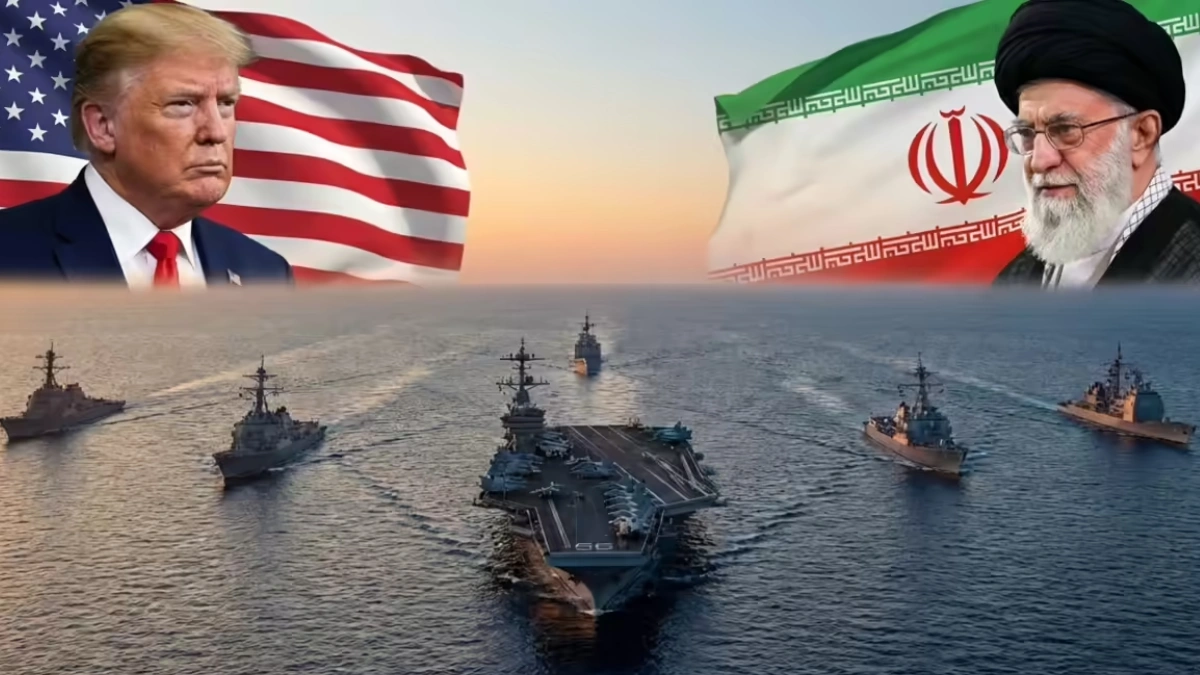
Recent online claims have circulated suggesting that the U.S. is preparing to launch a military strike on Iran within 48 hours following reports that the aircraft carrier USS Abraham Lincoln has “switched off tracking” while sailing toward the Middle East. These posts have gained traction on social platforms, but a closer look at verified information shows a more complex — and less sensational — situation.
What’s Really Happening With USS Abraham Lincoln?
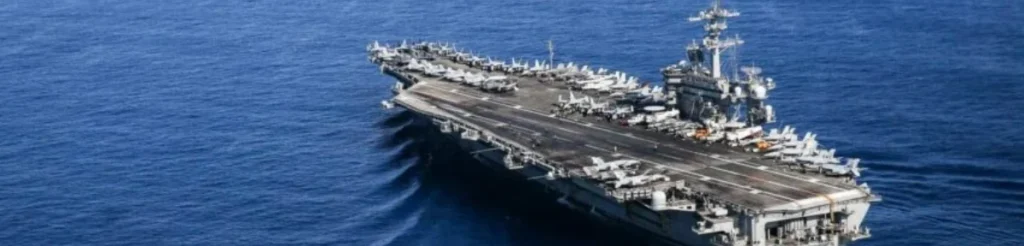
The USS Abraham Lincoln (CVN-72) is a Nimitz-class nuclear-powered aircraft carrier strike group. According to multiple defense tracking reports, this carrier and its escort vessels — including destroyers — are being repositioned from the South China Sea toward the Middle East amid rising tensions involving Iran.
This movement is not unusual for major naval forces — aircraft carriers routinely redeploy based on strategic needs — but the current shift reflects heightened regional tensions and U.S. military posture in response to evolving geopolitical developments.
Importantly:
- The carrier’s transit toward the CENTCOM (Central Command) area of responsibility — covering the Persian Gulf and Arabian Sea — has been tracked, but no credible evidence supports the claim it has turned off all tracking to conceal an imminent attack.
Satellite movements and reported transponder behavior do not automatically signal a deliberate preparatory act for war. Navies sometimes limit public tracking of movements for operational security, especially during strategic repositioning.
Why Is the Carrier Being Moved?
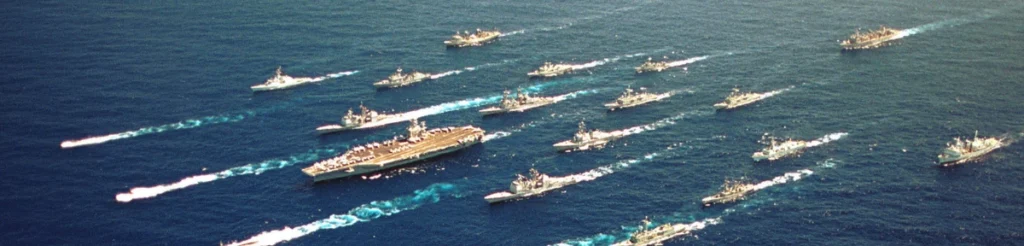
The reported redeployment occurs against a backdrop of escalating tensions between the United States and Iran, linked to multiple diplomatic, military, and domestic issues. While exact motives for any specific military movement are typically not publicly detailed by defense departments, analysts identify key factors:
Heightened Regional Tensions
Iran has experienced significant internal unrest, and Tehran’s regional activities — including ballistic missile tests and support for proxy forces — have increased friction with U.S. interests and allies in the Middle East.
Strategic Positioning
Positioning an aircraft carrier strike group in the region signals U.S. readiness to protect its forces, deter potential aggression, and reassure partners. Such deployments are often meant to communicate resolve rather than signal inevitable conflict.
Broader Military Presence
Carrier strike groups are powerful platforms with aircraft, support vessels, and capabilities that provide flexibility for many missions — from deterrence and surveillance to humanitarian assistance and crisis response.
Is a U.S. Attack on Iran Imminent?
Despite some online claims and sensational headlines, there is no verified evidence that:
- The U.S. has set a specific 48-hour deadline for an attack on Iran
- Orders have been issued for offensive strikes on Iranian territory
- The Lincoln or any other carrier has been deployed solely for a planned war
The news video making these claims likely mixes speculation, exaggeration, or unverified sources to drive engagement, which is common in unmoderated content environments.
Understanding Military Deployments vs. War Plans
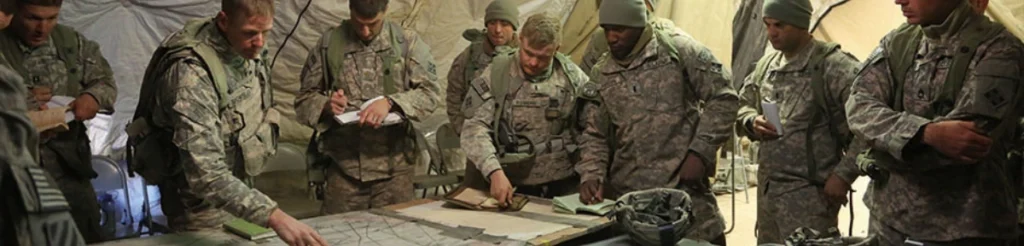
It’s important to distinguish between three distinct concepts:
Strategic Deployment
Naval assets — including carriers — move according to shifting diplomatic and security priorities. Deployment can be a deterrent or a precaution.
Operational Planning
Military commands constantly prepare contingency plans, but having options does not equate to imminent execution.
Declared War or Attacks
Formal military engagement usually involves clear public statements, legal authorizations, and multiple government deliberations.
Currently, there are no official announcements from the Pentagon or White House confirming an imminent attack on Iran. Verified reporting focuses on repositioning, not war orders.
What Experts Say About Carrier Movements
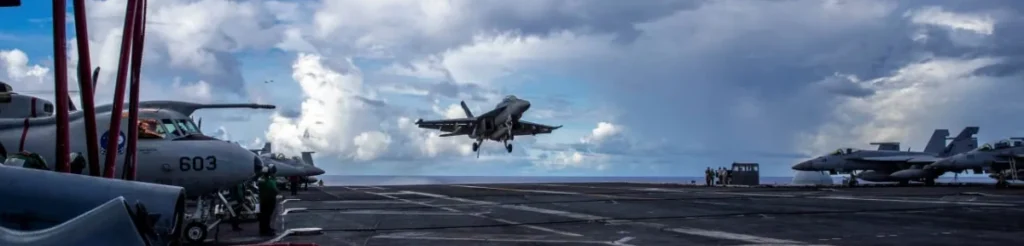
Defense analysts note:
- Carrier strike groups are among the most visible tools of power projection. Their movements often reflect intention to deter rather than initiate conflict.
The presence of aircraft carriers does not automatically imply offensive operations; carriers are routinely repositioned for training, presence missions, and multinational exercises.
Iran and Regional Dynamics
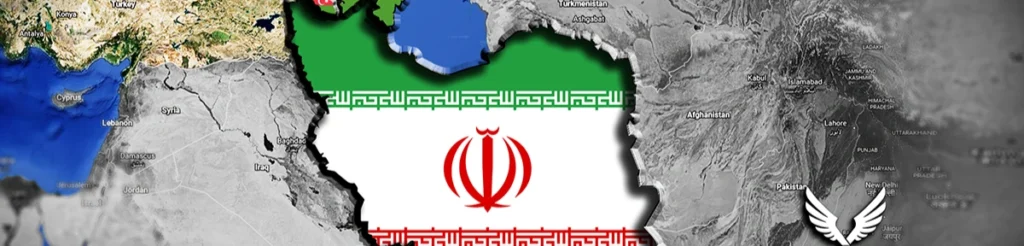
Iran’s strategic calculus is constantly evolving due to:
- Its tensions with the U.S. and allies
- Proxy networks in the region
- Domestic political pressures and protests
None of the publicly verifiable reporting suggests that Iran is facing an imminent U.S. attack within a specific timeframe such as 48 hours based on carrier movements alone.
The Role of Misinformation

Content claiming “nuclear warships will attack Iran in 48 hours” is consistent with patterns of misinformation, where dramatic military terminology and countdown claims are used to attract attention, even when factual basis is absent.
It’s crucial to base analysis on:
- Official statements from governments and defense departments
- Established news outlets with verified sourcing
- Contextual understanding of military deployments
U.S. Military Objectives and Public Messaging
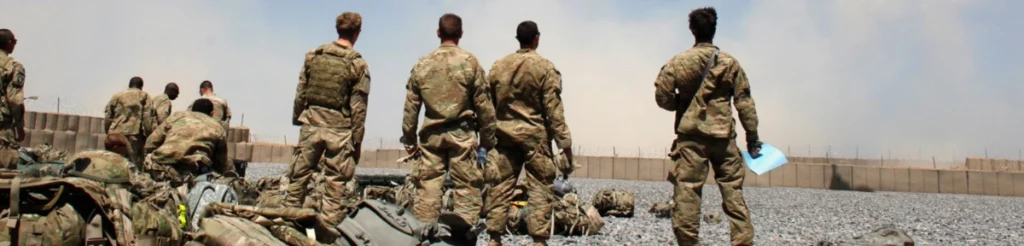
U.S. officials or defense spokespeople rarely pre-announce offensive operations. When asked about deployments, authorized representatives often frame them as precautionary or deterrent actions to protect U.S. forces and uphold international norms. According to past statements from national security advisers in similar contexts:
Deployments are made “to send a clear and unmistakable message that any attack on United States interests or its allies will be met with unrelenting force.”
No official communication has confirmed a timetable or intent to attack Iran directly.
Conclusion: Tension, Not Confirmed War
Claims of imminent nuclear warship attacks on Iran within hours are unsupported by verified reporting. What is clear is:
- The USS Abraham Lincoln and its strike group are being repositioned toward the Middle East amid rising tensions.
- This kind of deployment often serves as strategic signaling and deterrence, not an automatic precursor to war.
Until clear official statements or verified assessments emerge, it is more accurate to describe the situation as one of heightened military readiness and uncertainty, not confirmed attack orders.