
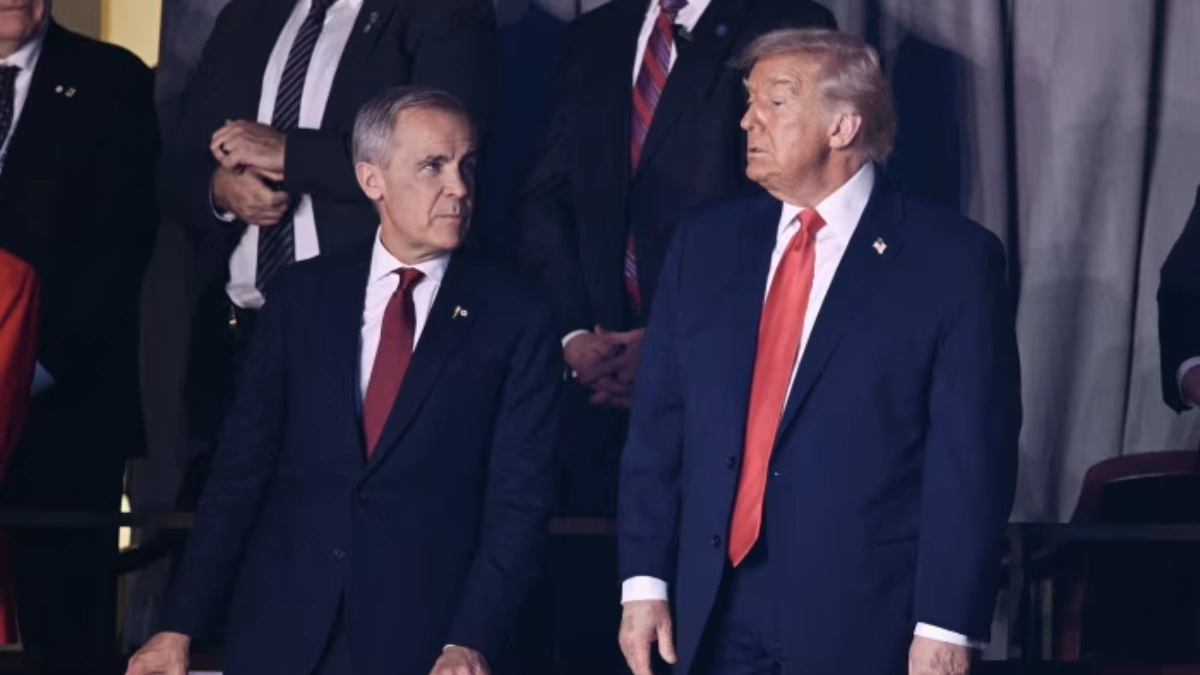
Tensions between the United States and Canada have flared once again, this time triggered by sharp remarks from Canadian Prime Minister Mark Carney, who accused Washington of using economic and political coercion to pressure its closest ally. The comments, delivered amid growing trade frictions and renewed “America First” rhetoric from Donald Trump’s camp, have reportedly infuriated Team Trump, exposing cracks in what has long been described as one of the world’s most stable bilateral relationships.
At the heart of the controversy lies a deeper question: is the U.S. leveraging its power unfairly, or is Canada overreacting to hard-nosed negotiations in a shifting global order?
What Carney Actually Said

Speaking at an international economic forum, Carney warned that “coercive tactics by larger economies undermine trust, weaken alliances, and ultimately destabilize global trade.” While he did not name the United States explicitly at first, Canadian officials later confirmed that the remarks were aimed squarely at Washington’s recent actions on trade, defense spending expectations, and industrial policy.
Carney’s tone marked a notable departure from the traditionally diplomatic language used by Canadian leaders when addressing U.S. pressure. Instead of quiet back-channel negotiations, Canada’s prime minister chose to go public—an approach that immediately caught the attention of Trump’s inner circle.
Why Team Trump Is Furious

According to sources close to Trump’s political operation, the reaction was swift and angry. Senior advisers reportedly viewed Carney’s comments as “disrespectful,” “ungrateful,” and “politically motivated.” For Trump loyalists, Canada’s prosperity is inseparable from access to the U.S. market, and public criticism is seen as biting the hand that feeds it.
Trump himself has long rejected the idea that American negotiations constitute coercion. From his perspective, tough tactics are simply smart leverage, necessary to correct what he calls decades of unfair trade arrangements. Carney’s framing challenges that worldview—and, perhaps more importantly, undermines Trump’s image as a dealmaker who commands respect on the world stage.
The Trade Flashpoints Behind the Dispute

Several unresolved trade issues form the backdrop to this diplomatic spat:
1. Tariffs and Industrial Policy
The U.S. has continued to impose or threaten tariffs tied to national security, especially in sectors like steel, aluminum, and clean energy manufacturing. Canada argues that these measures unfairly target its industries despite deep economic integration and shared security commitments.
2. Defense Spending Pressure
Trump allies have repeatedly criticized Canada for failing to meet NATO’s defense spending targets. While Canada has increased military investment, Carney’s government resents what it sees as public shaming rather than alliance-based cooperation.
3. Supply Chain Nationalism
Washington’s push to “reshore” manufacturing—particularly through subsidies favoring U.S.-based firms—has sidelined Canadian companies, prompting Ottawa to accuse the U.S. of rewriting the rules of free trade when convenient.
Carney’s accusation of coercion reflects mounting frustration that agreements like USMCA are being honored selectively.
A Shift in Canada’s Diplomatic Tone
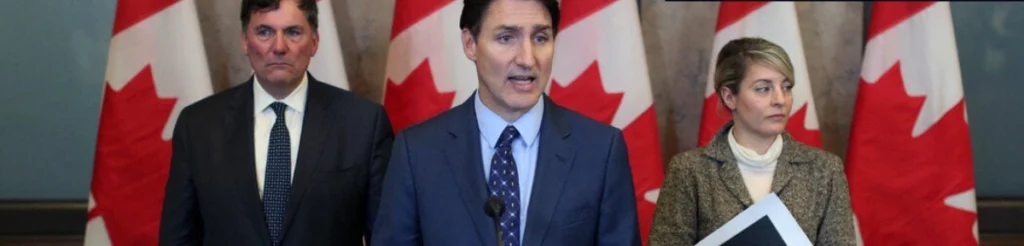
Historically, Canada has responded to U.S. pressure with caution and compromise. Carney’s remarks suggest a strategic shift: calling out power politics openly, even at the risk of retaliation.
Analysts say this reflects Canada’s calculation that silence no longer guarantees protection. As global politics become more transactional, smaller allies fear being squeezed unless they assert themselves publicly.
“Canada isn’t rejecting cooperation,” one political analyst noted. “It’s rejecting intimidation dressed up as partnership.”
Trump’s Worldview vs. Multilateral Norms
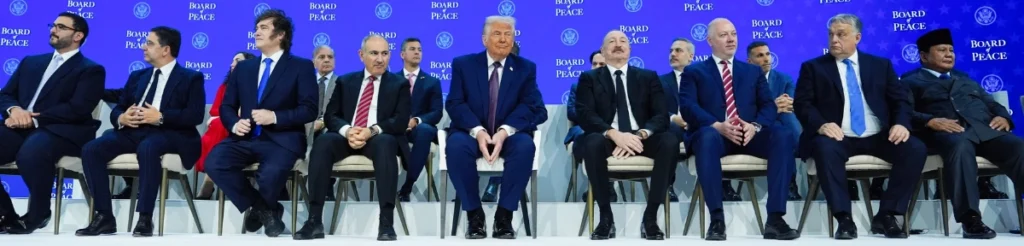
The clash also highlights a broader ideological divide. Trump’s approach to foreign policy is unapologetically bilateral and transactional. Allies are judged on balance sheets, not shared values. Carney, by contrast, champions multilateralism, rule-based trade, and collective security.
By labeling U.S. tactics as coercive, Carney is effectively challenging Trump’s core philosophy—and signaling alignment with European and Asian partners who harbor similar concerns.
Domestic Politics on Both Sides
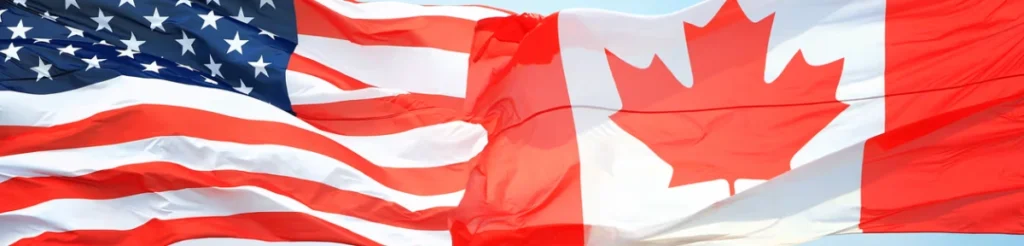
The timing of Carney’s comments is no accident. In Canada, standing up to U.S. pressure plays well politically, reinforcing national sovereignty and leadership strength. In the U.S., Trump’s base responds favorably to confrontational rhetoric toward allies seen as taking advantage of American generosity.
This dynamic makes compromise harder. Any softening risks being portrayed as weakness—either to Canadian voters or Trump supporters.
Economic Stakes for Both Countries

Despite the heated rhetoric, the economic reality is stark: the U.S. and Canada are deeply interdependent. They share one of the largest bilateral trade relationships in the world, supporting millions of jobs on both sides of the border.
Escalation carries real risks:
- Higher consumer prices
- Supply chain disruptions
- Reduced investor confidence
- Long-term damage to alliance trust
Business leaders in both countries have urged restraint, warning that political posturing could harm economic stability.
What Happens Next?

Diplomats are now working behind the scenes to cool tensions. Canadian officials have emphasized that Carney’s comments were not anti-American, but a call for fair engagement. Meanwhile, Trump advisers are reportedly weighing whether to respond publicly or allow the issue to fade.
Possible outcomes include:
- Quiet negotiations to resolve specific trade disputes
- Symbolic gestures reaffirming alliance unity
- Or, if tensions escalate, renewed tariff threats and political sparring
Much depends on whether Trump himself chooses to address the issue directly.
A Sign of Changing Alliances
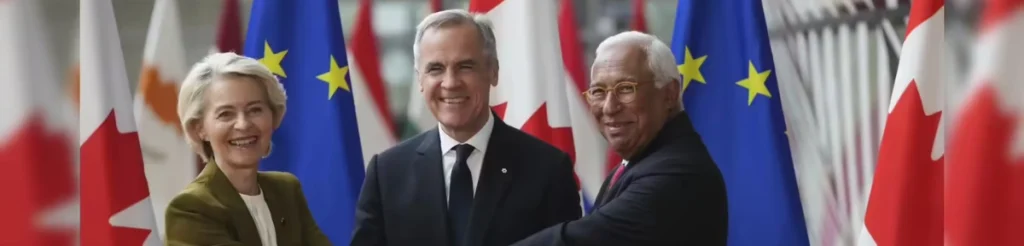
Beyond the immediate dispute, this episode signals a larger shift in global politics. Traditional allies are increasingly willing to push back publicly against U.S. dominance, especially when domestic pressures and economic nationalism collide.
Carney’s remarks may resonate far beyond Canada, emboldening other nations to challenge coercive tactics—real or perceived—from major powers.
Conclusion
Team Trump’s anger over Mark Carney’s comments reflects more than wounded pride; it underscores a fundamental disagreement over how power should be exercised in a rapidly changing world. As alliances become more transactional and national interests more sharply defined, even the closest partners are no longer immune to confrontation.
Whether this moment leads to deeper fractures or a recalibration of U.S.–Canada relations will depend on what comes next: escalation driven by politics, or compromise guided by mutual interest. For now, one thing is clear—the era of quiet diplomacy between neighbors may be giving way to a louder, more confrontational phase.