
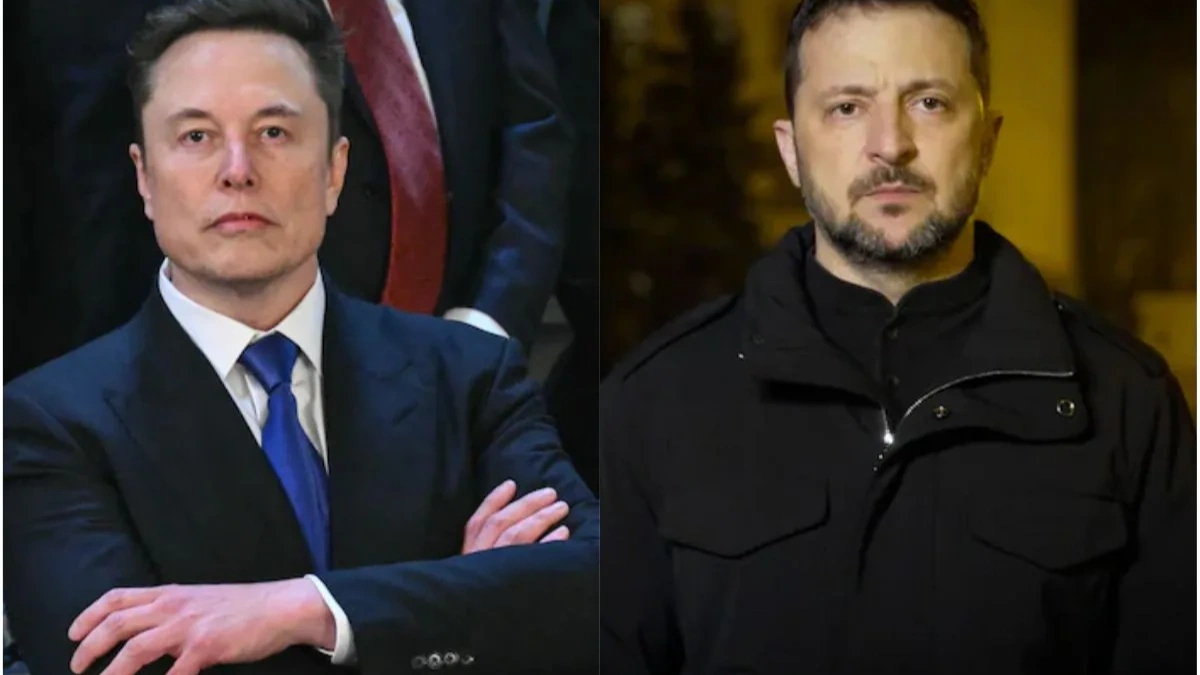
The modern battlefield is no longer defined only by tanks, missiles, or troop numbers. In the Russia–Ukraine war, one of the most decisive factors has emerged far above the ground: space. At the center of this shift stands Elon Musk, whose satellite internet system, Starlink, has quietly become one of Ukraine’s most powerful strategic tools. While Musk is not a general, a politician, or a weapons manufacturer in the traditional sense, his technology has helped Ukraine strike what many analysts now describe as Russia’s “Achilles’ heel” — its dependence on centralized communication, coordination, and logistics.
The War Beyond the Front Lines

When Russia launched its full-scale invasion of Ukraine in February 2022, one of its early objectives was to cripple Ukrainian communications. Missile strikes targeted power grids, telecom towers, and data centers. The logic was simple: disrupt communication, and command and control would collapse. For Russia, this strategy had worked in past conflicts.
But Ukraine adapted faster than expected.
Within days, Starlink satellite terminals began arriving in Ukraine. The system, operated by Musk’s SpaceX, provides high-speed internet via a constellation of low-Earth-orbit satellites. Unlike traditional communication infrastructure, Starlink does not rely on ground cables or fixed towers that can be easily destroyed. As long as a terminal has power and a clear view of the sky, it can connect.
This single technological shift changed the war’s trajectory.
Why Communication Is Russia’s Weak Spot
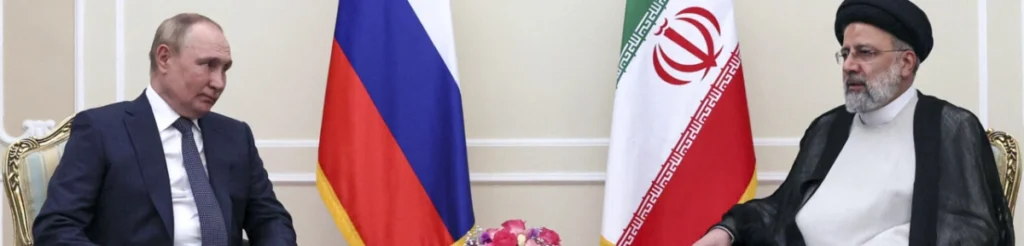
Russia’s military doctrine relies heavily on centralized command structures. Orders flow from top to bottom, often requiring stable communication channels and secure coordination. When those channels are disrupted, Russian units have historically struggled to adapt independently.
Ukraine, by contrast, has leaned into decentralized warfare. Small, mobile units equipped with drones, real-time intelligence, and rapid communication can operate semi-independently. Starlink fits perfectly into this model.
By maintaining constant connectivity, Ukrainian forces have been able to:
- Coordinate drone strikes with unprecedented precision
- Share real-time battlefield intelligence
- Maintain command continuity even during blackouts
- Protect civilian and government communications
In effect, Starlink has helped Ukraine exploit a structural weakness in Russia’s military system — its rigidity.
Drones, Data, and Digital Warfare

One of the most visible impacts of Starlink has been in drone warfare. Ukrainian drones, used for reconnaissance and targeted strikes, rely on stable data links to transmit live video and receive commands. Russian electronic warfare units have attempted to jam these signals, but Starlink’s satellite-based network has proven far harder to disrupt than traditional radio links.
As a result, Ukrainian forces have been able to identify Russian artillery positions, supply convoys, and command posts with greater accuracy. These capabilities have directly contributed to high-profile strikes deep behind Russian lines, including attacks on logistics hubs, fuel depots, and bridges.
This is where the idea of Russia’s “Achilles’ heel” becomes clear. Russia’s military strength depends on massive logistical operations. Fuel, ammunition, and reinforcements must move across vast distances. When these supply chains are exposed and targeted, battlefield superiority erodes quickly.
Musk’s Complicated Role

Elon Musk’s involvement, however, has never been simple or uncontested. While Starlink has been indispensable for Ukraine, Musk has repeatedly emphasized that he does not want his technology to be used for offensive operations. At various points, he has restricted Starlink coverage near contested areas, particularly around Crimea, citing concerns about escalation.
These decisions have sparked debate. Ukrainian officials have expressed frustration, arguing that limiting connectivity can cost lives. Critics accuse Musk of wielding outsized geopolitical power without democratic accountability. Supporters counter that Starlink is a private system, not a military alliance, and that Musk has already provided extraordinary support.
The reality lies somewhere in between. Musk is neither a neutral observer nor a traditional combatant. His choices highlight a new reality of modern warfare: private tech leaders now hold influence once reserved for nation-states.
The Strategic Impact on Russia
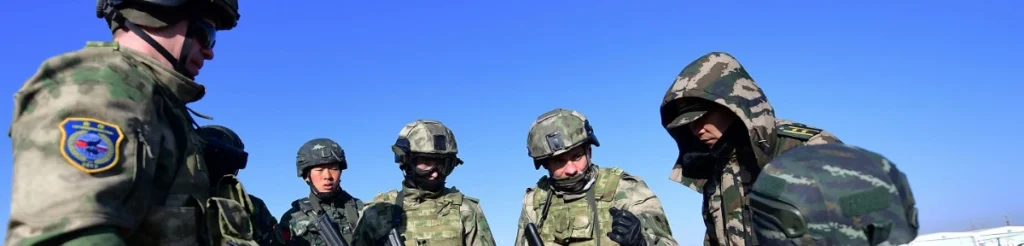
From Moscow’s perspective, Starlink represents an asymmetric threat. Russia has invested heavily in cyber warfare and electronic jamming, but low-orbit satellite networks are far more resilient than older systems. Disabling them would require either advanced space-based countermeasures or direct escalation into satellite warfare — a dangerous and largely uncharted domain.
Moreover, Russia’s own military communication systems have been plagued by issues, including outdated equipment and reliance on civilian networks. There have been numerous reports of Russian soldiers using unsecured mobile phones, making them vulnerable to interception.
In this context, Ukraine’s access to secure, encrypted satellite internet becomes a decisive advantage. It doesn’t just level the playing field; it tilts it.
A New Kind of Power

The Starlink story illustrates a broader transformation in global power dynamics. Control over information, connectivity, and data flow is now as critical as control over territory. Musk’s satellites do not fire missiles, but they enable actions that can be just as consequential.
This raises uncomfortable questions for governments worldwide:
- Who controls critical digital infrastructure during war?
- What happens when private companies become strategic assets?
- How should international law adapt to space-based civilian technology used in combat zones?
These questions have no easy answers, but the Ukraine war has forced them into the spotlight.
The Future of Warfare

As the conflict continues, it is clear that technology will play an even greater role. Artificial intelligence, autonomous systems, cyber operations, and space-based assets are reshaping how wars are fought and won.
Ukraine’s ability to integrate commercial technology into its defense strategy may become a case study for future conflicts. Meanwhile, Russia’s struggle to counter these tools underscores the limits of traditional military power in a digital age.
Elon Musk may not have set out to change warfare, but through Starlink, he has become part of a historic shift. By helping Ukraine maintain connectivity, he has indirectly enabled strikes against the very systems Russia relies on most — coordination, logistics, and control.
In that sense, Ukraine has found a way to strike not just at Russian forces, but at the structural weaknesses beneath them. And in modern war, that may matter more than any single weapon.