
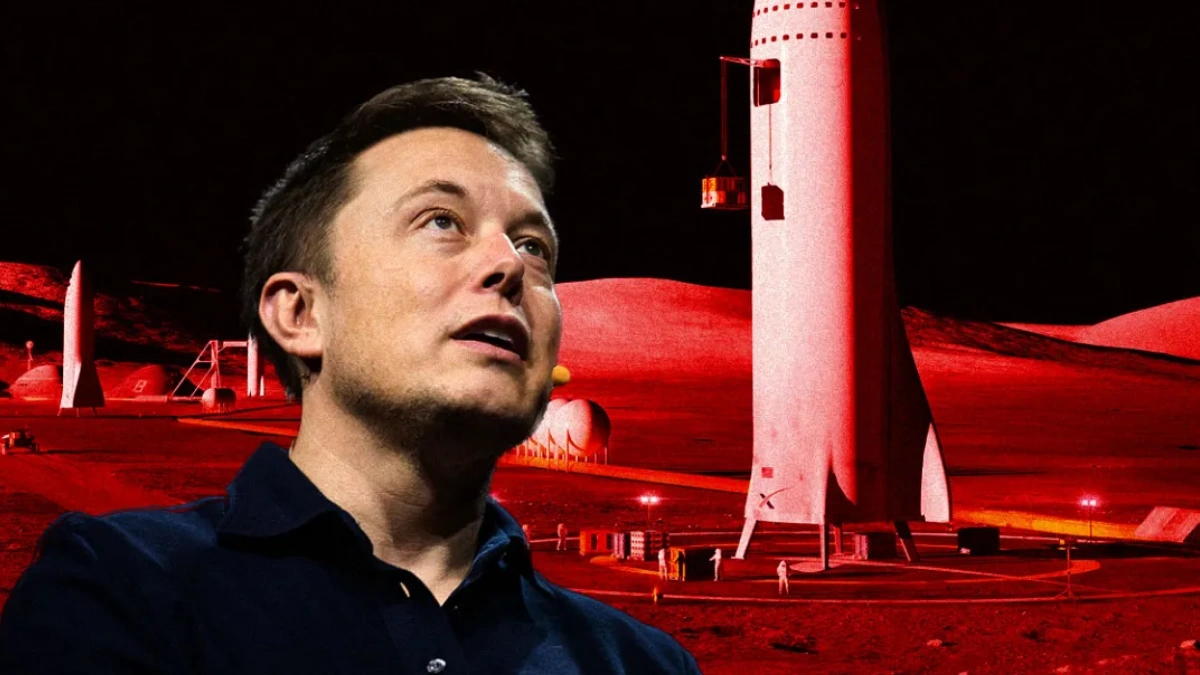
Elon Musk has never been shy about making bold predictions. From electric cars replacing gasoline vehicles to humans becoming a multi-planetary species, his vision consistently stretches far beyond conventional timelines. In recent years, Musk confidently claimed that humans could reach Mars by 2026. Now, in a statement that has reignited global debate, he suggests that SpaceX is laying the groundwork for something even more ambitious: a permanent city on the Moon.
The claim has sparked fascination, skepticism, and excitement in equal measure. Is this another futuristic promise, or are we witnessing the early steps toward humanity’s next giant leap?
The Original Mars Timeline: Ambition Meets Reality
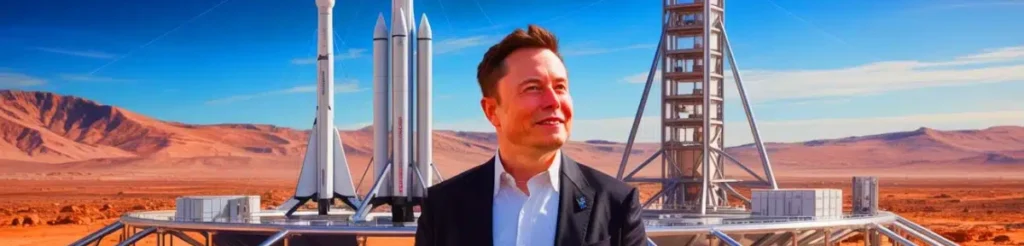
In 2020 and 2021, Musk repeatedly stated that SpaceX’s Starship spacecraft could carry humans to Mars as early as 2026, with uncrewed missions potentially launching even sooner. The idea was simple in concept but monumental in execution: develop a fully reusable rocket capable of transporting people, cargo, and infrastructure across interplanetary distances.
However, space travel is unforgiving. Technical challenges, regulatory approvals, funding constraints, and safety concerns have all contributed to delays. While SpaceX has made impressive progress with Starship test flights, a crewed Mars mission by 2026 now appears increasingly unlikely.
Yet, rather than scaling back his ambitions, Musk seems to be expanding them.
Why the Moon Now?

The Moon has re-emerged as a focal point of global space exploration. NASA’s Artemis program aims to return humans to the lunar surface and establish a sustained presence there. China and Russia have also announced joint plans for a lunar research station.
For Musk, the Moon represents a logical stepping stone. It is closer, more accessible, and significantly less risky than Mars. A lunar city could serve as a testing ground for technologies that will eventually be needed for Mars—life support systems, energy generation, construction in low gravity, and long-term human habitation.
Unlike Mars, which is months away by spacecraft, the Moon is just three days from Earth. This proximity allows for faster resupply missions and emergency responses, making it ideal for experimentation and early settlement.
What Does a “City on the Moon” Really Mean?
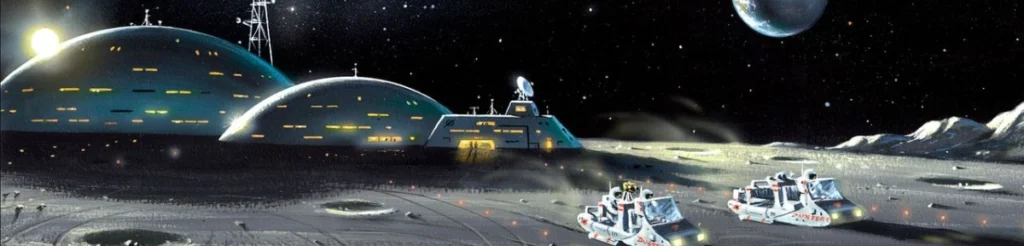
When Musk talks about a city, he isn’t referring to skyscrapers and crowded streets—at least not initially. A lunar city would likely begin as a series of interconnected habitats designed to support scientists, engineers, and eventually civilians.
These habitats would need to be shielded from radiation, extreme temperature fluctuations, and micrometeorite impacts. Many experts believe they would be built partially underground or covered with lunar regolith for protection.
Power would likely come from solar energy, supplemented by advanced battery systems or nuclear reactors. Water could be extracted from lunar ice deposits, while oxygen might be produced from the Moon’s soil using experimental extraction techniques.
In essence, a lunar city would be a self-sustaining ecosystem—an engineering challenge unlike anything humanity has attempted before.
SpaceX’s Role and Technology Advantage
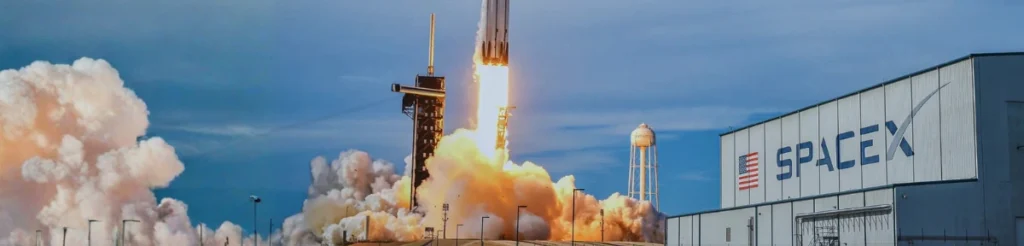
SpaceX’s biggest advantage lies in its reusable rocket technology. The Starship system, once fully operational, is designed to carry massive payloads at a fraction of the cost of traditional rockets. This cost reduction is critical for building anything resembling a city beyond Earth.
Starship could transport construction materials, habitat modules, machinery, and crews to the Moon at an unprecedented scale. Over time, SpaceX aims to reduce dependence on Earth by developing in-situ resource utilization—using materials found on the Moon itself.
This approach aligns with Musk’s broader philosophy: sustainability beyond Earth is not optional; it is essential for long-term human survival.
Collaboration or Competition?

While SpaceX often captures headlines, a lunar city would almost certainly require collaboration. Governments, space agencies, private companies, and international partners would need to work together.
NASA has already selected SpaceX’s Starship as the lunar lander for Artemis missions. This partnership suggests that SpaceX could play a central role in future lunar infrastructure, even if the concept of a “city” remains aspirational for now.
At the same time, geopolitical competition cannot be ignored. As space becomes increasingly strategic, nations may view lunar settlements as both scientific assets and symbols of power.
Critics and Skepticism

Not everyone is convinced. Critics argue that Musk’s timelines are overly optimistic and that even a permanent lunar base is decades away. The technical, financial, and ethical challenges are enormous.
There are also questions about governance. Who would own a lunar city? Which laws would apply? How would conflicts be resolved? International treaties like the Outer Space Treaty prohibit national ownership of celestial bodies, but private settlements exist in a legal gray area.
Environmental concerns also loom large. Some scientists worry about contaminating the Moon or disrupting future scientific research.
Why It Still Matters
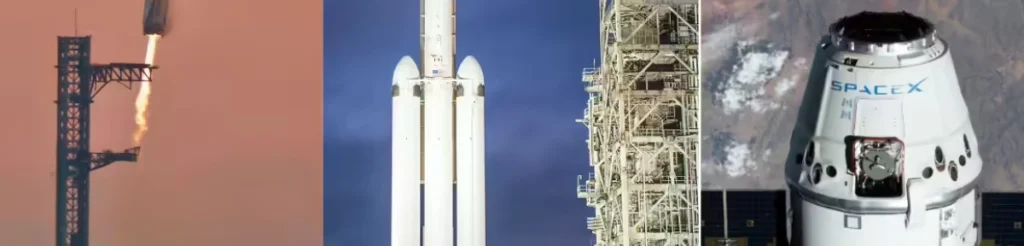
Despite skepticism, Musk’s ideas have a proven track record of pushing industries forward. Many once dismissed electric vehicles, reusable rockets, and private spaceflight as unrealistic. Today, they are reshaping transportation and aerospace.
Even if a full-fledged lunar city takes decades to materialize, the pursuit itself accelerates innovation. Technologies developed for lunar living—advanced recycling systems, renewable energy solutions, and sustainable construction—could have profound benefits on Earth.
More importantly, the idea challenges humanity to think beyond short-term goals. It reframes space not as a distant frontier but as an extension of human civilization.
Mars Is Still the End Goal
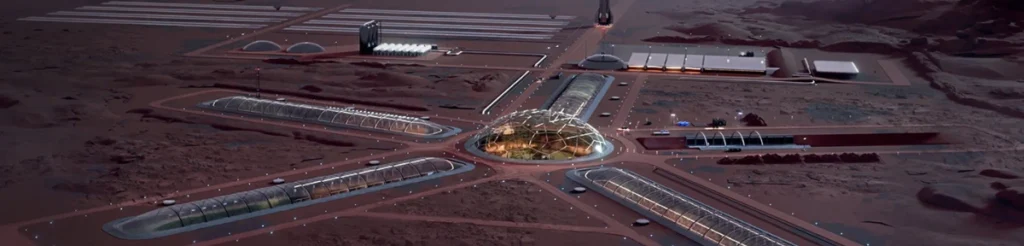
Musk has made it clear that Mars remains his ultimate objective. A lunar city is not a replacement for Mars but a proving ground. Lessons learned on the Moon could dramatically increase the chances of success on the Red Planet.
In this sense, the Moon becomes a bridge between Earth and Mars—a place to refine technologies, train astronauts, and build confidence before embarking on humanity’s most daring journey yet.
Conclusion
Elon Musk’s claim that SpaceX is building a city on the Moon may sound futuristic, even unrealistic. But so did many of his earlier ideas. Whether the city emerges in ten years or fifty, the direction is unmistakable: humanity is preparing to expand beyond Earth.
The Moon, once a symbol of distant wonder, is now becoming a destination for permanent presence. And if Musk’s vision holds even partially true, the next chapter of human history may be written not just on Earth—or Mars—but on the lunar surface itself.
One thing is certain: the conversation about our future in space is no longer science fiction. It’s happening now.