
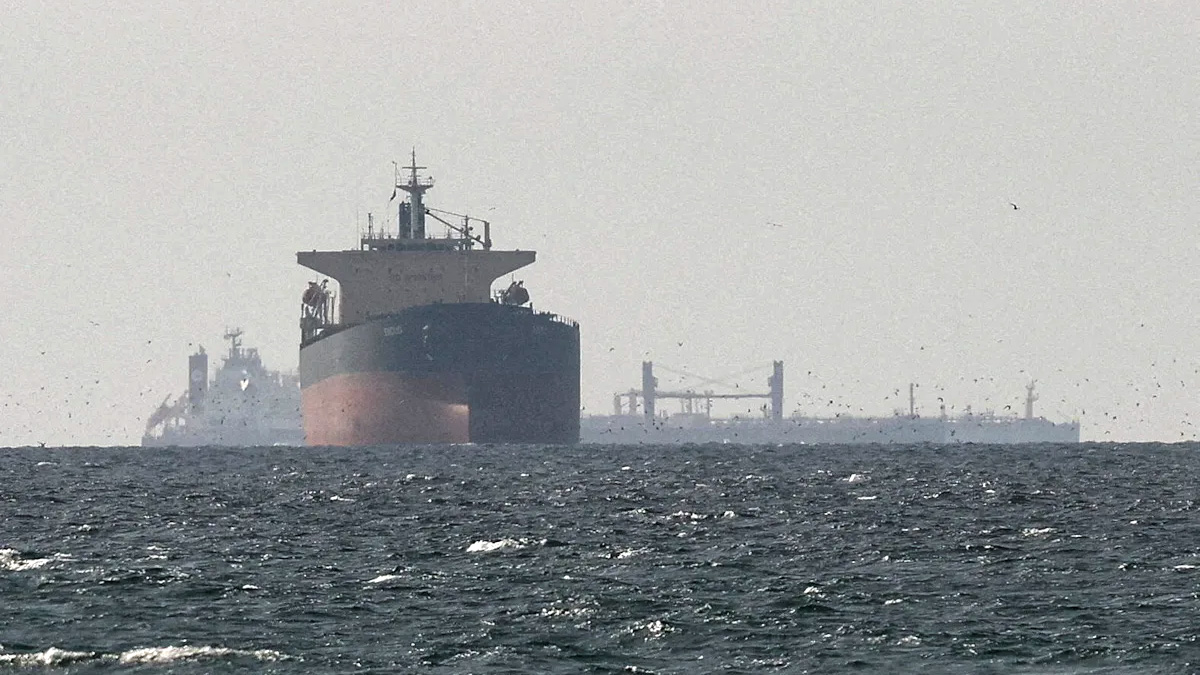
The growing tensions in the Middle East have taken a dramatic turn as Iran moves to block or restrict traffic through the Strait of Hormuz — one of the world’s most important maritime chokepoints. Analysts and defense experts say Iran’s strategy resembles tactics used by Ukraine in the Black Sea during its conflict with Russia — relying on asymmetric warfare, drones, mines, and limited naval power to disrupt a stronger adversary.
The Strait of Hormuz carries roughly 20% of the world’s oil supply, making any disruption a major global concern. Following escalating tensions and military strikes, Iran has launched missile, drone, and maritime operations that have sharply reduced tanker traffic through the region.
This shift signals not only a regional crisis but also a transformation in modern naval warfare — one that prioritizes disruption over direct confrontation.
Why the Strait of Hormuz Matters
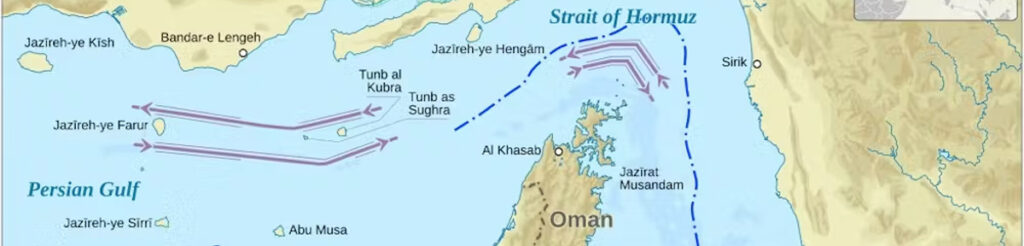
The Strait of Hormuz connects the Persian Gulf to the Arabian Sea and is considered the world’s most critical energy corridor. Millions of barrels of oil pass through the narrow waterway every day, supplying countries across Asia, Europe, and beyond.
Following recent strikes, Iran announced retaliatory actions, including attacks on vessels and threats to block the strait. Shipping traffic dropped dramatically, and several commercial vessels were targeted in Gulf waters.
Even limited disruptions have caused oil price volatility and global supply concerns. With tensions continuing, the situation remains fragile.
Borrowing from Ukraine’s Playbook

Experts say Iran is using tactics similar to those employed by Ukraine against Russia in the Black Sea:
1. Drone Warfare
Ukraine successfully used naval drones and aerial drones to disrupt Russian ships and ports. Iran is now deploying similar strategies, using drones to monitor shipping lanes, threaten tankers, and create uncertainty.
Drone warfare allows smaller forces to challenge stronger naval fleets without direct confrontation. This tactic increases risk while reducing cost.
2. Naval Mines
Ukraine used sea mines to block Russian naval movement. Iran is believed to be using similar tactics in the Strait of Hormuz.
Naval mines are highly effective in narrow waterways like Hormuz. Even a few mines can halt traffic, as ships avoid high-risk areas. Analysts note that mines are one of the most efficient tools Iran can deploy.
The psychological impact alone can disrupt shipping operations.
3. Hit-and-Run Attacks
Ukraine frequently used hit-and-run tactics against Russian naval forces. Iran appears to be adopting a similar strategy using fast attack boats and missiles.
These tactics aim to:
- Disrupt shipping
- Raise insurance costs
- Increase risk perception
- Pressure global markets
Even limited attacks can create significant economic consequences.
Asymmetric Warfare Strategy

Iran’s military strategy focuses on asymmetric warfare — fighting stronger opponents using unconventional tactics. Instead of direct naval battles, Iran relies on:
- Fast boats
- Missiles
- Drones
- Mines
- Coastal defenses
This mirrors Ukraine’s strategy against Russia, where smaller forces used innovation and precision strikes to challenge a larger military.
Global Economic Impact

The consequences of a Hormuz blockade extend far beyond the Middle East. Oil prices have already surged amid fears of prolonged disruption.
Recent reports suggest:
- Tanker traffic reduced
- Shipping insurance costs rising
- Energy markets becoming volatile
- Global inflation risks increasing
A prolonged blockade could affect fuel prices worldwide, including in India, Europe, and the United States.
Rising Military Tensions

The situation has also increased military presence in the region. The United States and allies are monitoring the Strait closely.
The ongoing crisis has led to:
- Naval deployments
- Military surveillance
- Diplomatic pressure
- International negotiations
Meanwhile, Iran has warned that it could escalate further if tensions continue.
Risks of Escalation

The biggest concern is escalation. If the Strait remains blocked:
- Global oil prices could spike
- Supply chains could be disrupted
- Military conflict could expand
- Global markets could react negatively
Experts warn that prolonged disruption could create a global economic shock.
The Ukraine Comparison: Why It Matters
Ukraine’s tactics changed modern warfare. Instead of relying on large naval fleets, smaller forces used technology, drones, and precision attacks.
Iran appears to be applying similar lessons:
- Disrupt supply chains
- Target vulnerabilities
- Avoid direct confrontation
- Create economic pressure
This shift marks a new era in maritime conflict.
What Happens Next

The future of the Strait of Hormuz remains uncertain. Possible outcomes include:
- Diplomatic resolution
- Military escalation
- Partial reopening
- Prolonged disruption
Each scenario carries significant global consequences.
Conclusion
Iran’s actions in the Strait of Hormuz represent more than a regional dispute — they signal a shift in global conflict strategy. By adopting tactics similar to Ukraine’s playbook, Iran is demonstrating how smaller forces can disrupt powerful opponents using asymmetric warfare.
With global energy supplies at stake, the world is watching closely. The coming weeks will determine whether tensions ease or escalate further.
One thing is clear: the Strait of Hormuz remains one of the most dangerous flashpoints in global geopolitics today.