
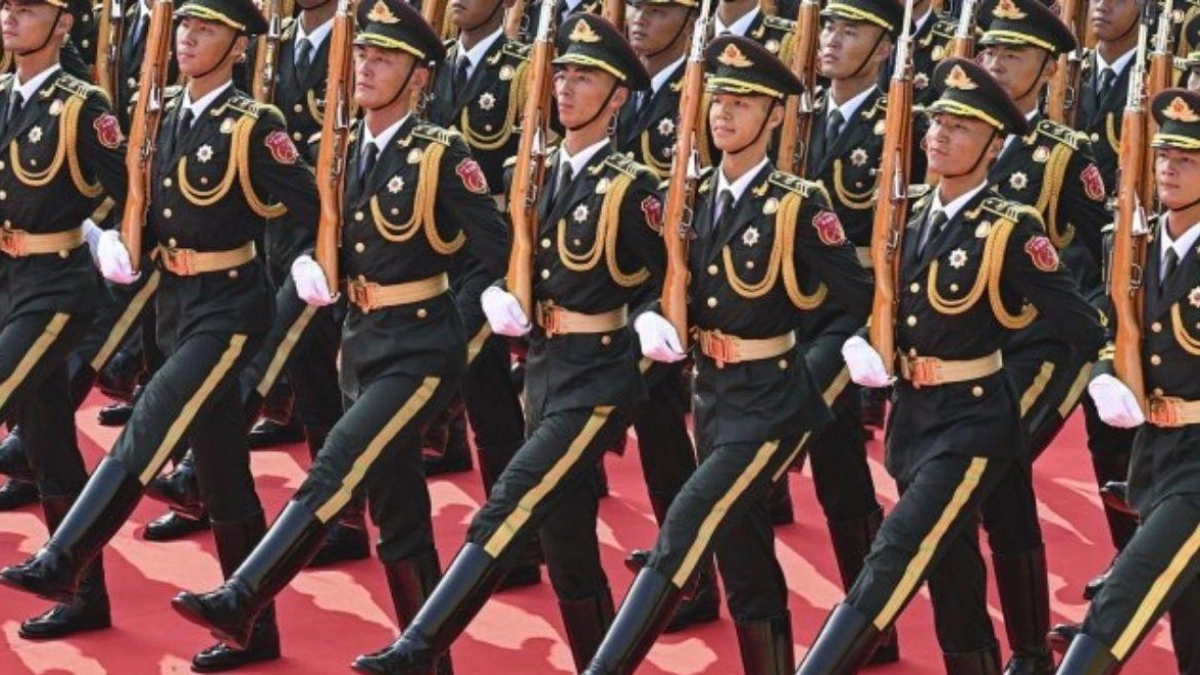
In a move that has drawn significant attention from analysts and observers worldwide, China has removed nine senior military officials ahead of an important political gathering. The decision comes at a sensitive time for Beijing, as the country navigates both internal reforms and growing external pressures. While Chinese authorities have provided limited public explanation, the dismissals are widely viewed as part of President Xi Jinping’s ongoing effort to tighten control over the armed forces and reinforce discipline within the People’s Liberation Army (PLA).
This development is not occurring in isolation. Over the past several years, China has undertaken a sweeping anti-corruption campaign across multiple sectors, with the military being one of the most closely scrutinized institutions. The removal of these officials signals that the campaign is far from over and may even be intensifying as China prepares for key political milestones.
Background: Xi Jinping’s Military Overhaul
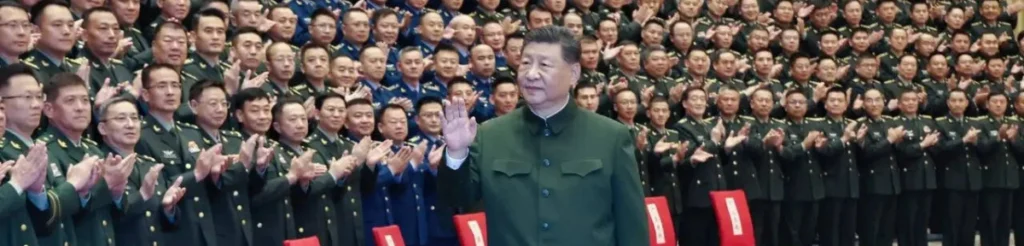
Since coming to power in 2012, President Xi Jinping has made military reform a cornerstone of his governance strategy. His stated goal has been to transform the PLA into a “world-class military” by mid-century. Achieving that vision requires not only modernization of equipment and doctrine but also strict political loyalty and institutional discipline.
The PLA historically operated with a degree of internal patronage networks and corruption, particularly in areas such as procurement and promotions. Xi’s leadership has repeatedly emphasized that corruption within the military is a direct threat to combat readiness and national security.
Over the past decade, dozens of high-ranking officers have been investigated, disciplined, or removed. The latest purge of nine officials appears to be part of this broader pattern. Analysts note that such actions often intensify ahead of major political meetings, when the leadership seeks to project unity, control, and organizational cleanliness.
Timing Before a Key Political Event
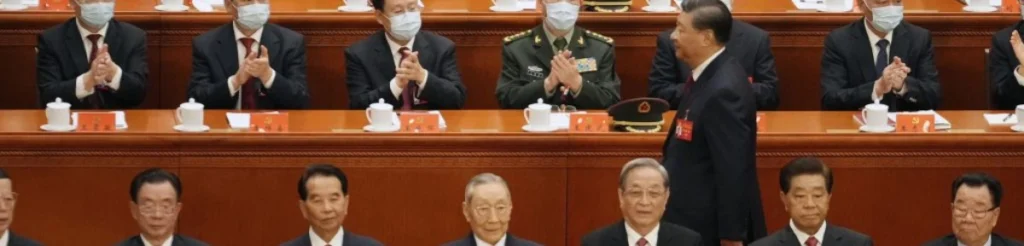
The removals come just ahead of a major political gathering widely expected to shape China’s policy direction for the coming year. Although Beijing has not publicly linked the two developments, the timing is unlikely to be coincidental.
Major political meetings in China—especially sessions of the National People’s Congress (NPC) or the Chinese People’s Political Consultative Conference (CPPCC)—are moments when the leadership aims to present stability and cohesion. Any sign of internal discord, particularly within the military, could undermine that image.
By removing officials suspected of corruption, misconduct, or disloyalty beforehand, the leadership may be attempting to:
- Reinforce discipline within the PLA
- Send a warning to other officials
- Demonstrate firm civilian control over the military
- Strengthen Xi’s authority ahead of policy announcements
Such preemptive actions have precedent in Chinese political practice, where personnel reshuffles often occur before major meetings.
What We Know About the Dismissed Officials
Chinese state media has confirmed the removal of nine military-linked delegates from national political bodies. However, detailed explanations for each case have been limited, consistent with Beijing’s typically opaque handling of internal disciplinary matters.
Reports indicate that several of the removed figures were associated with the PLA Rocket Force and defense procurement sectors—areas that have faced particular scrutiny in recent anti-corruption drives.
The Rocket Force is especially sensitive because it oversees China’s strategic missile capabilities, including nuclear forces. Any hint of corruption or mismanagement within this branch raises serious concerns for the leadership, both from a military effectiveness standpoint and a political reliability perspective.
Observers note that the focus on procurement-related officials also reflects Beijing’s concern about financial misconduct in weapons development and acquisition programs.
Anti-Corruption Campaign Still in Full Force
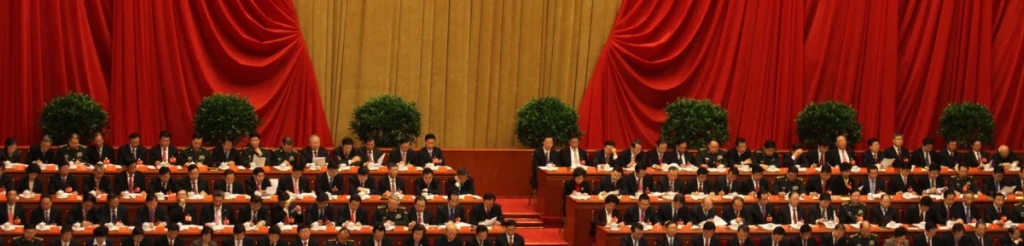
Xi Jinping’s anti-corruption campaign has been one of the most far-reaching in modern Chinese political history. While initially focused on the Communist Party bureaucracy and state-owned enterprises, it has increasingly targeted the military.
The campaign serves multiple purposes:
1. Cleaning Up the System
Corruption has long been acknowledged as a structural problem within parts of the PLA. Removing compromised officials helps improve operational integrity.
2. Political Consolidation
Anti-corruption drives also function as tools of political control. By removing officials tied to rival networks or questionable loyalties, the central leadership strengthens its grip.
3. Military Modernization
China is investing heavily in advanced weapons systems, cyber capabilities, and naval expansion. Ensuring clean procurement processes is critical to these modernization goals.
The removal of nine officials suggests that Beijing still sees significant risks within the military establishment.
Signals to Domestic and International Audiences

Personnel moves of this scale send messages beyond the individuals directly involved.
Domestically, the action reinforces the narrative that the Communist Party maintains strict oversight of the military. It also reassures the public that corruption—especially in sensitive national security areas—is being addressed.
Within the PLA, the dismissals serve as a warning. Officers at all levels are reminded that political loyalty and financial discipline remain non-negotiable.
Internationally, the move is more complex. On one hand, it may signal seriousness about professionalizing the Chinese military. On the other, repeated purges can raise questions about internal stability and command continuity.
Foreign defense analysts often watch such developments closely, particularly when they involve strategic forces like the Rocket Force.
Impact on Military Readiness
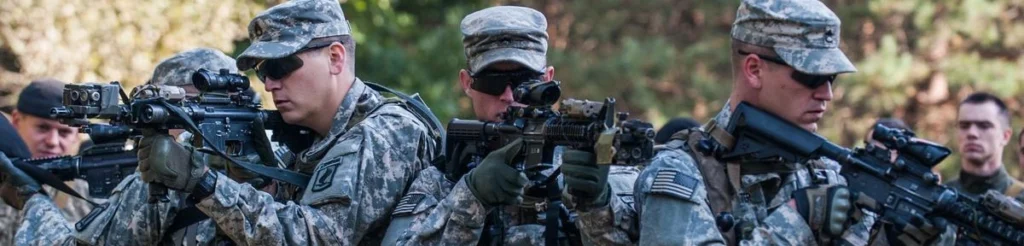
One key question is whether frequent leadership changes could disrupt military effectiveness. In the short term, sudden removals can create uncertainty within command structures. However, Chinese leadership appears to calculate that the long-term benefits of discipline outweigh the temporary disruption.
Beijing’s position has consistently been that corruption is a greater threat to readiness than leadership turnover. From this perspective, purges are framed as strengthening, rather than weakening, the PLA.
That said, the concentration of investigations in certain branches—especially the Rocket Force—has drawn attention from international security experts. Strategic units depend heavily on trust, technical competence, and stable command relationships.
If the anti-corruption campaign continues to sweep through senior ranks, China may face the delicate task of balancing political control with operational continuity.
Broader Political Context
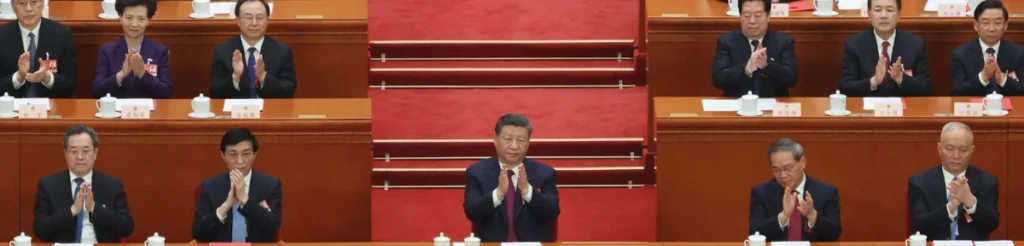
The removals also reflect the broader direction of Chinese politics under Xi Jinping. His leadership style has emphasized:
- Centralization of authority
- Party control over state and military institutions
- Ideological discipline
- Long-term strategic competition with major powers
Within this framework, the PLA is not just a fighting force but a political institution that must remain firmly aligned with the Communist Party.
The phrase “the Party commands the gun” remains a core principle of Chinese governance. Actions like the recent dismissals reinforce that doctrine in practical terms.
What Comes Next

Looking ahead, several trends are worth watching:
1. Continued Investigations
It is likely that additional probes within the PLA will continue, particularly in procurement and strategic units.
2. Leadership Reshuffles
New appointments may follow as Beijing moves to fill gaps and promote officers viewed as politically reliable.
3. Institutional Reforms
China may further tighten oversight mechanisms within the military, especially around weapons acquisition and financial management.
4. External Signaling
Beijing will likely continue presenting these moves as part of responsible military modernization rather than internal instability.
Conclusion
The removal of nine Chinese military officials ahead of a major political meeting underscores the depth and persistence of Xi Jinping’s campaign to reshape the People’s Liberation Army. While officially framed as disciplinary housekeeping, the move reflects broader priorities: political loyalty, anti-corruption enforcement, and centralized control.
For Beijing, the stakes are high. China is investing heavily in military modernization while positioning itself as a major global power. Ensuring that the PLA is both capable and politically dependable is central to that ambition.
Whether these purges ultimately strengthen the military or introduce new risks will depend on how effectively China manages the balance between control and continuity. What is clear, however, is that the leadership is willing to take sweeping personnel actions to maintain its grip on one of the country’s most critical institutions.
As China approaches its key political meetings, the message from Beijing is unmistakable: discipline within the military is non-negotiable, and the anti-corruption campaign remains very much alive.