
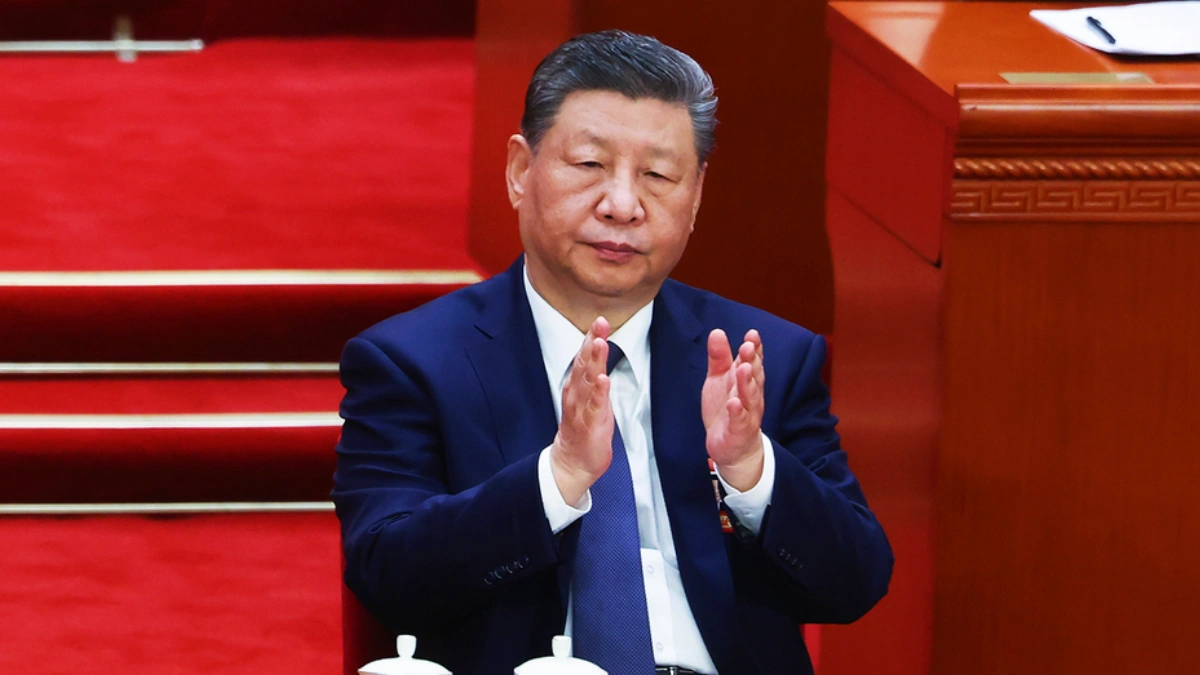
China has emerged as an unexpected but increasingly influential player in diplomatic efforts surrounding tensions between the United States and Iran. As former U.S. President Donald Trump pushes for negotiations and a fragile ceasefire with Iran, China has quietly stepped into the diplomatic arena, reshaping geopolitical dynamics and highlighting its growing influence in the Middle East.
China’s Quiet Diplomatic Entry
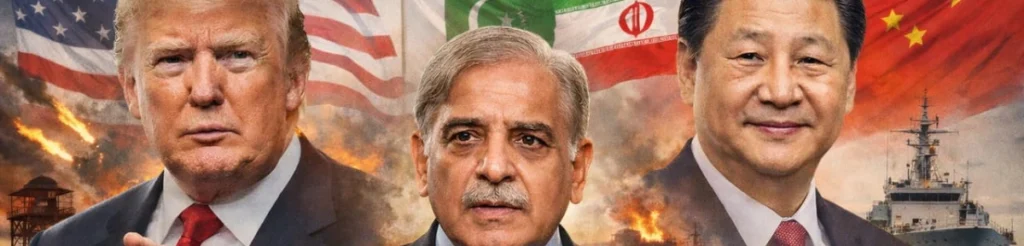
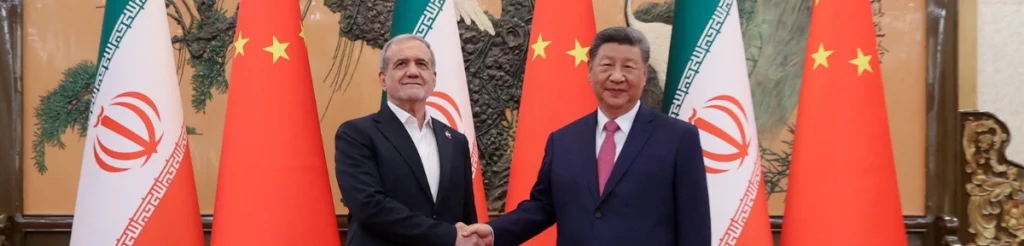
Initially, China remained largely on the sidelines as tensions escalated between the United States and Iran. However, as the conflict threatened global energy supplies and regional stability, Beijing began engaging in backchannel diplomacy. Reports indicate that China used its strong economic ties with Iran to encourage Tehran to return to negotiations and accept a temporary ceasefire.
China is one of the largest buyers of Iranian oil, giving Beijing significant leverage over Tehran. Diplomats familiar with the situation said China urged Iranian leaders to consider the economic consequences of continued conflict, particularly disruptions to oil shipments and trade.
This quiet diplomatic push marked a shift in China’s role from passive observer to active facilitator.
Economic Interests Driving China’s Involvement
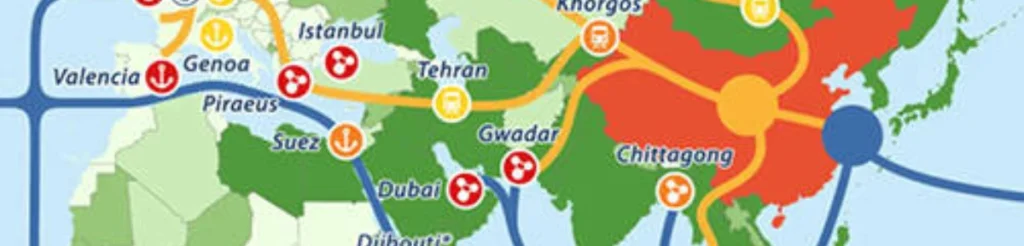
China’s involvement in Trump’s Iran diplomacy push is driven largely by economic concerns. The Middle East plays a critical role in China’s energy security, particularly oil shipments passing through the strategically important Strait of Hormuz.
Any disruption to this vital waterway threatens global oil markets and China’s economic stability. As tensions escalated, China had strong incentives to encourage de-escalation and ensure continued energy flows.
In addition, China’s growing investments in the Middle East — including infrastructure, energy projects, and trade partnerships — make regional stability a priority for Beijing.
Trump’s Push for China’s Cooperation
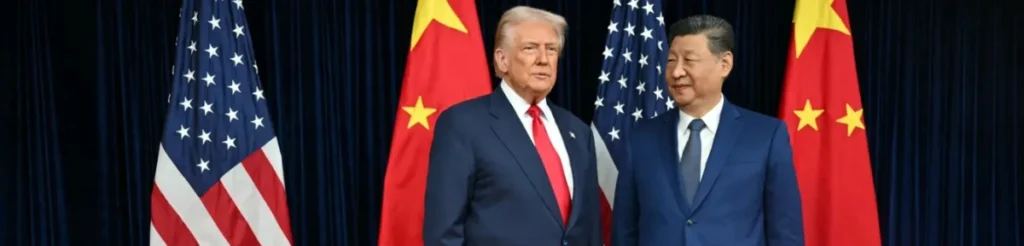
Trump has openly acknowledged China’s potential role in helping resolve the conflict. According to reports, U.S. officials encouraged Beijing to use its influence with Iran to bring Tehran back to the negotiating table.
China reportedly responded by engaging in diplomatic outreach, including communications between Chinese officials and Iranian leadership. This effort contributed to the fragile ceasefire agreement that temporarily reduced tensions.
The involvement also reflects a broader shift in global diplomacy, where China is increasingly stepping into roles traditionally dominated by Western powers.
China’s Cautious Approach

Despite its growing role, China has remained cautious about deeper involvement. Beijing has emphasized diplomatic solutions while avoiding direct commitments that could draw it into the conflict.
Reports suggest China encouraged negotiations but declined requests to serve as a formal guarantor of any ceasefire agreement. This highlights Beijing’s preference for facilitating dialogue rather than taking responsibility for enforcement.
China’s cautious approach reflects its long-standing policy of non-interference in foreign conflicts while still protecting its economic interests.
Strategic Gains for China
China’s involvement offers several strategic benefits:
- Expanding Global Influence
By participating in diplomacy between the U.S. and Iran, China strengthens its position as a global power. - Protecting Energy Security
Ensuring stability in the Middle East helps secure China’s oil supply. - Improving Diplomatic Reputation
China’s mediation efforts enhance its image as a responsible global actor. - Strengthening Regional Partnerships
Engagement with Iran and other regional players improves China’s influence in the Middle East.
Challenges Ahead

Despite progress, significant challenges remain. The ceasefire between the United States and Iran remains fragile, with ongoing tensions and unresolved issues.
China’s involvement may also create new geopolitical tensions, particularly with U.S. allies concerned about Beijing’s growing influence.
Additionally, China must balance its relationships with multiple countries in the region, including Saudi Arabia, Iran, and the United States.
Broader Geopolitical Implications

China’s unexpected role signals a shift in global diplomacy. Traditionally, Middle East diplomacy has been dominated by the United States. However, China’s growing involvement reflects a changing global order.
This development also highlights China’s expanding diplomatic ambitions. Beijing has previously helped broker agreements in the region, including efforts to ease tensions between regional rivals.
China’s role in Trump’s Iran diplomacy push could mark a turning point in how global conflicts are managed in the future.
What Happens Next?
Moving forward, China is expected to continue its diplomatic engagement while maintaining a cautious stance. Analysts believe Beijing will focus on:
- Encouraging continued negotiations
- Protecting energy routes
- Supporting regional stability
- Avoiding direct military involvement
The success of China’s involvement will depend on whether the ceasefire holds and negotiations progress.
Conclusion
China’s emergence as an unexpected player in Trump’s Iran diplomacy push highlights its growing influence on the global stage. Driven by economic interests and strategic considerations, Beijing has quietly stepped into a key diplomatic role.
While China remains cautious about deeper involvement, its efforts to encourage negotiations and support a ceasefire demonstrate its evolving role in global diplomacy. As tensions between the United States and Iran continue, China’s influence may play a decisive role in shaping the outcome.
The situation underscores a shifting global landscape — one where China is no longer just an economic powerhouse but also an increasingly important diplomatic force.