
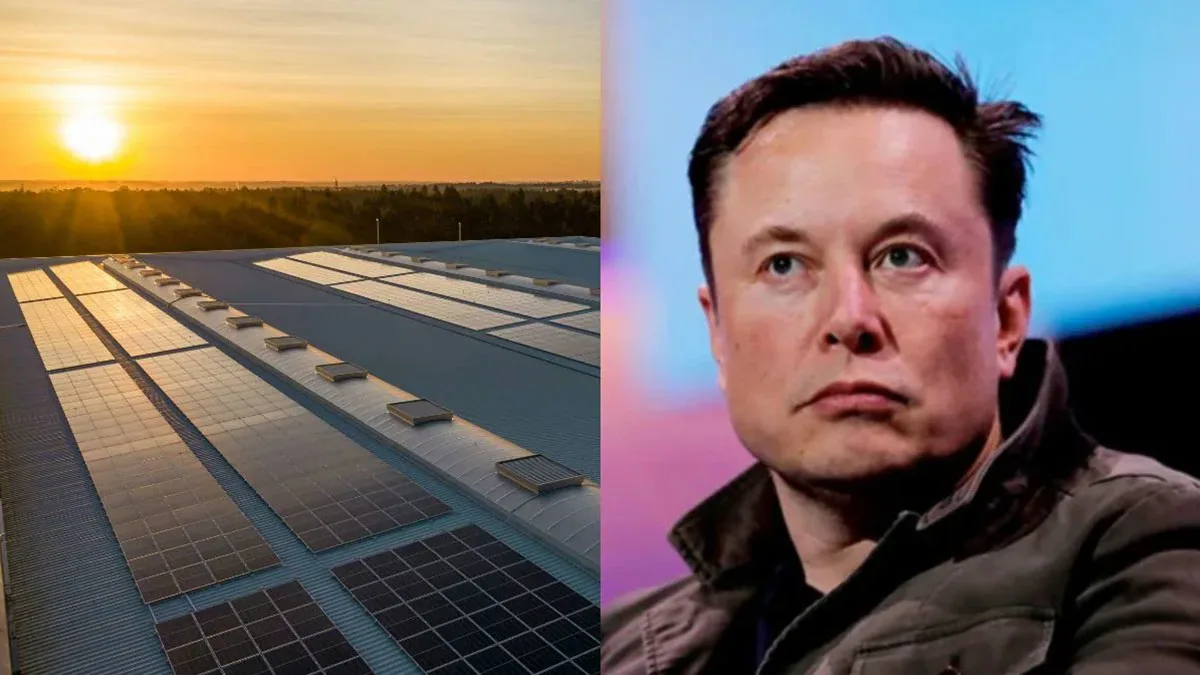
The global renewable energy sector is once again in the spotlight after Chinese state-backed media reports suggested that a team linked to Elon Musk recently visited JinkoSolar, one of the world’s largest solar panel manufacturers. While neither Musk nor his companies have officially confirmed the visit, the development has sparked widespread discussion across energy, technology, and geopolitical circles.
If accurate, such an interaction could signal deeper collaboration between global clean-energy leaders at a time when solar power, battery storage, and electric mobility are becoming central to economic and climate strategies worldwide.
This blog explores what the reported visit could mean, who JinkoSolar is, why Elon Musk’s ecosystem matters in this context, and the broader implications for the global renewable energy landscape.
Who Is JinkoSolar? A Global Solar Powerhouse
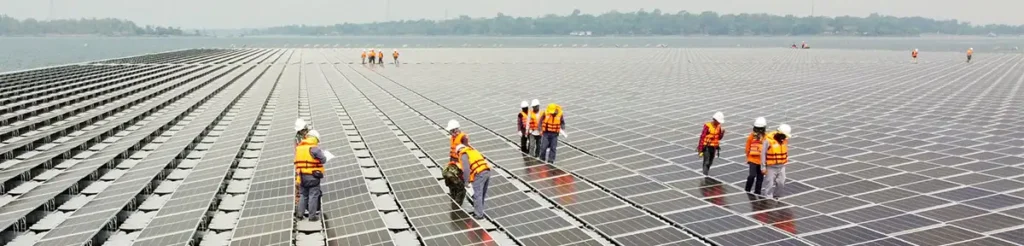
Founded in 2006, JinkoSolar has grown into one of the most influential players in the global photovoltaic (PV) industry. Headquartered in China, the company operates across Asia, Europe, North America, and emerging markets, supplying solar modules to utility-scale projects, commercial installations, and residential systems.
JinkoSolar is known for:
- Large-scale solar module manufacturing
- Continuous investment in R&D
- High-efficiency solar cell technologies
- Strong presence in global export markets
Over the years, the company has consistently ranked among the world’s top solar panel suppliers, benefiting from China’s strong manufacturing base and government support for renewable energy development.
Why Elon Musk’s Team Draws Global Attention

Elon Musk’s influence in the clean-energy ecosystem extends far beyond electric vehicles. Through companies like Tesla, SolarCity (now Tesla Energy), and ventures into energy storage and grid solutions, Musk has positioned himself at the intersection of technology, sustainability, and large-scale infrastructure.
Any reported engagement between Musk’s representatives and a major solar manufacturer naturally raises questions about:
- Potential supply chain partnerships
- Technology collaboration
- Expansion of solar and storage solutions
- Global clean-energy integration
Even informal visits or exploratory meetings can signal long-term strategic interest.
What the Reported Visit Suggests

According to state-backed media reports, Musk’s team reportedly visited JinkoSolar facilities or engaged in discussions with company leadership. While details remain limited, such visits typically serve several purposes in the corporate world:
1. Supply Chain Exploration
With global demand for solar panels surging, companies involved in energy storage, EV charging infrastructure, or grid solutions may seek reliable, high-capacity suppliers. JinkoSolar’s scale makes it a natural candidate.
2. Technology Assessment
Solar efficiency improvements, durability, and cost optimization are critical for large-scale deployment. A visit could indicate interest in next-generation solar technologies or manufacturing processes.
3. Market Alignment
As renewable energy projects grow worldwide, alignment between manufacturers and integrators becomes increasingly important. Collaborative discussions help synchronize production capacity with future demand.
China’s Role in the Global Solar Industry
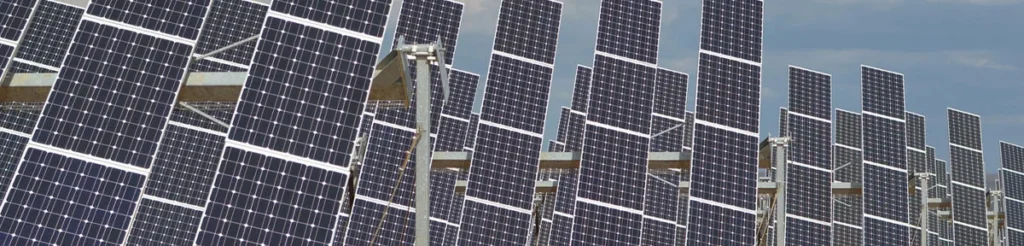
China dominates the global solar manufacturing ecosystem, controlling a significant share of:
- Polysilicon production
- Solar cell manufacturing
- Module assembly
This dominance has made Chinese solar firms both indispensable and controversial. On one hand, they have dramatically reduced the cost of solar energy worldwide. On the other, geopolitical tensions and trade restrictions have complicated cross-border partnerships.
A reported visit by Musk’s team highlights the reality that global clean-energy goals often require cooperation beyond political boundaries.
Tesla, Solar Energy, and Strategic Synergies
Tesla’s energy division focuses on:
- Solar panels and solar roofs
- Powerwall and Megapack energy storage systems
- Grid-scale energy solutions
To scale these offerings globally, Tesla depends on:
- High-quality solar components
- Stable manufacturing partners
- Cost-efficient supply chains
A relationship with a manufacturer like JinkoSolar could theoretically support these objectives, though no official confirmation of collaboration has been made.
Geopolitical Sensitivities and Market Reactions

Any engagement between U.S.-linked technology firms and major Chinese manufacturers is closely watched. The renewable energy sector, despite its environmental focus, is deeply entangled with:
- Trade policies
- National security concerns
- Industrial subsidies
- Strategic resource control
Markets often react cautiously to such reports, balancing optimism about innovation with concerns over regulatory scrutiny and political risk.
The Bigger Picture: Renewable Energy Acceleration
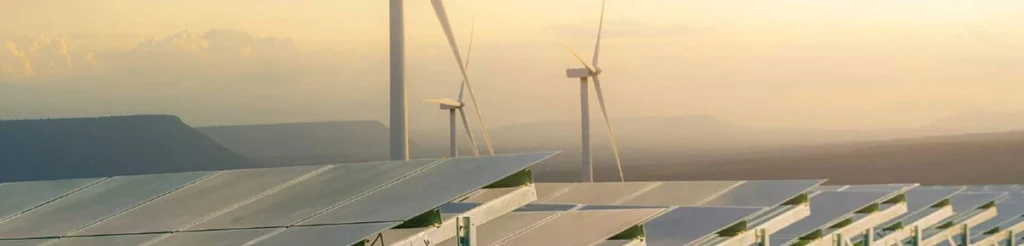
Regardless of whether the reported visit leads to formal collaboration, the news underscores a broader trend: the accelerating urgency of renewable energy adoption.
Key drivers include:
- Climate commitments by governments
- Rising fossil fuel volatility
- Corporate sustainability targets
- Rapid urbanization and energy demand
Solar power remains one of the most scalable and cost-effective solutions, making manufacturers like JinkoSolar central to the global transition.
Industry Experts Weigh In

Analysts suggest that such visits, even if exploratory, reflect:
- Growing convergence between EV, battery, and solar industries
- Increased focus on vertical integration
- Desire to future-proof energy ecosystems
Experts also note that innovation in clean energy increasingly requires cross-border knowledge exchange, despite political challenges.
What This Means for the Solar Industry
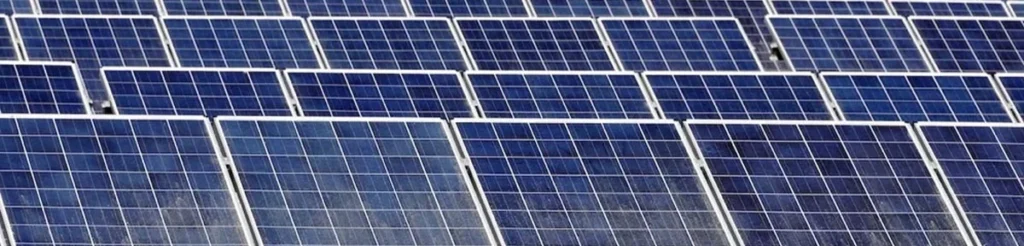
If major technology leaders actively engage with top solar manufacturers, it could lead to:
- Faster deployment of integrated energy solutions
- Improved efficiency and cost reduction
- Greater standardization across markets
- Enhanced competition driving innovation
For solar companies, attention from global tech leaders validates their technological and manufacturing capabilities.
Unanswered Questions Remain

While the report has generated headlines, several questions remain unanswered:
- Was the visit exploratory or strategic?
- Were discussions focused on technology, supply, or partnerships?
- Will regulatory or political factors limit collaboration?
- Could this influence future clean-energy investments?
Until official statements are released, much remains speculative.
Conclusion: A Signal, Not a Confirmation
The reported visit of JinkoSolar by Elon Musk’s team, as cited by state-backed media, should be viewed as a signal of evolving dynamics in the global renewable energy space — not as confirmation of any deal or partnership.
It highlights how interconnected the clean-energy ecosystem has become and how collaboration, competition, and geopolitics increasingly overlap. As the world pushes toward a low-carbon future, interactions between major innovators and manufacturers will continue to shape the pace and direction of change.
Whether this report leads to tangible outcomes or remains a footnote, it reinforces one truth: solar energy is no longer a niche industry — it is a central pillar of the global economy.