
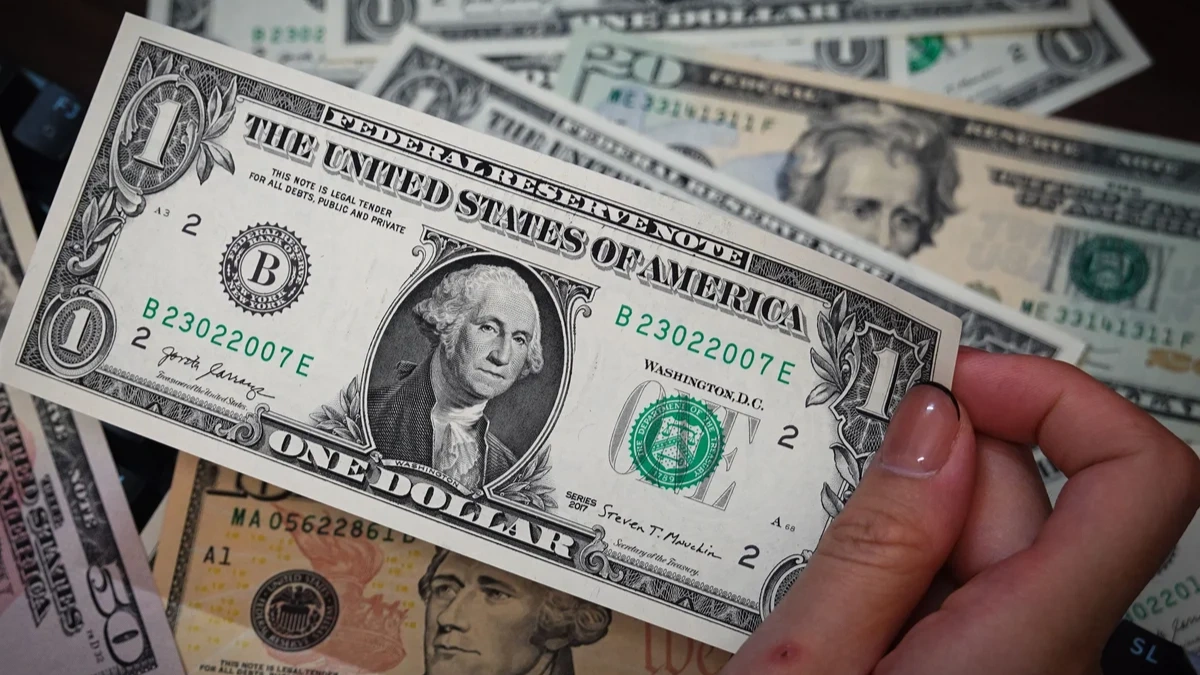
The U.S. dollar has long been the backbone of the global financial system. As the world’s primary reserve currency, it underpins international trade, stabilizes global markets, and gives the United States unmatched economic influence. However, renewed tariff threats linked to former President Donald Trump’s trade agenda have once again rattled markets, triggering a noticeable dip in the dollar and reviving deeper fears about America’s growing debt and the long-term stability of its reserve currency status.
At the heart of this concern lies a stark warning echoed by economists and policymakers alike: when confidence in the dollar is lost, the consequences could be severe, not just for the United States but for the global economy as a whole.
The Immediate Market Reaction
Financial markets react swiftly to uncertainty, and the announcement of fresh tariff proposals was no exception. The dollar weakened against major currencies as investors reassessed the risks of prolonged trade tensions, higher inflation, and mounting fiscal pressure. Tariffs, while politically popular with certain voter bases, function as taxes on imports. They increase costs for businesses and consumers, fuel inflationary pressures, and often provoke retaliatory measures from trading partners.
Currency markets are particularly sensitive to such developments. A weaker dollar reflects declining investor confidence, not necessarily in America’s productivity, but in the policy stability and fiscal discipline that have historically supported the currency’s dominance.
Tariffs and Inflation: A Dangerous Feedback Loop

One of the most immediate economic effects of tariffs is inflation. Higher import costs ripple through supply chains, raising prices for everyday goods. In response, central banks may be forced to maintain higher interest rates for longer periods to control inflation. While higher rates can support a currency in the short term, they also increase the cost of servicing government debt.
For the United States, this is a critical issue. With national debt already at historic levels, rising interest payments threaten to crowd out public spending on infrastructure, healthcare, and innovation. Investors begin to question whether the government can sustain its fiscal obligations without resorting to excessive money printing or further borrowing.
This is where concerns about the dollar’s long-term credibility begin to surface.
The Growing Weight of U.S. Debt
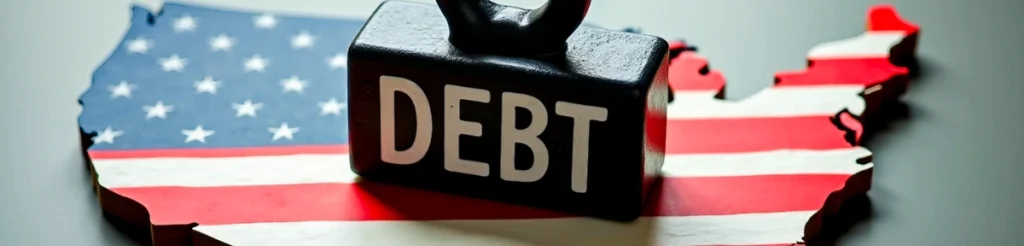
U.S. government debt has expanded rapidly over the past two decades, accelerated by financial crises, pandemic spending, and persistent budget deficits. While global demand for U.S. Treasury bonds has historically remained strong, that demand rests on one crucial assumption: faith in the dollar’s stability.
If tariffs slow economic growth while deficits continue to widen, that assumption may weaken. Foreign investors, including central banks, could gradually diversify away from dollar-denominated assets. Even small shifts in global reserve allocations can have outsized effects on currency valuation and borrowing costs.
The fear is not an overnight collapse but a slow erosion of trust, one that becomes difficult to reverse once momentum builds.
Reserve Currency Status: Why It Matters

The dollar’s role as the world’s reserve currency gives the United States extraordinary advantages. It allows the government to borrow at lower interest rates, enables American companies to trade internationally with reduced currency risk, and grants Washington significant geopolitical leverage through financial sanctions and global institutions.
Losing this status would be transformative. A diminished dollar would make imports more expensive, weaken consumer purchasing power, and increase inflation. U.S. companies would face higher costs in global trade, while the government would struggle to finance deficits without sharply higher interest rates.
As one analyst famously warned, “When reserve currency status is lost, economic collapse will follow.” While the term “collapse” may sound dramatic, it reflects the scale of disruption such a shift would entail.
Global Alternatives Are Gaining Attention
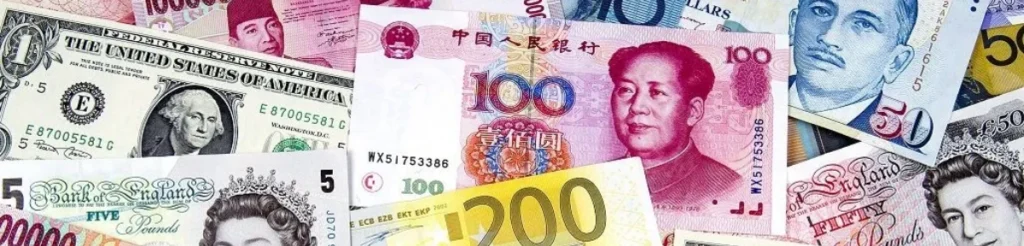
While no single currency is currently capable of fully replacing the dollar, alternatives are increasingly discussed. The euro, Chinese yuan, and even gold-backed or digital settlement systems are being explored by countries seeking to reduce reliance on the U.S. financial system.
Trade blocs are experimenting with local currency settlements, and geopolitical rivals are actively working to bypass dollar-based payment networks. These efforts remain limited in scope, but their symbolic significance matters. Each move away from the dollar chips at its dominance, especially if U.S. policies are perceived as unpredictable or inward-looking.
Tariff-heavy strategies risk accelerating this trend by encouraging trading partners to seek insulation from U.S.-driven economic shocks.
Political Strategy vs Economic Stability

Supporters of aggressive tariffs argue that they protect domestic industries and reduce dependence on foreign manufacturing. However, critics counter that such policies often ignore long-term macroeconomic consequences. Protectionism can provide short-term political wins while undermining broader financial stability.
Markets prefer predictability. Sudden shifts in trade policy introduce uncertainty that affects investment decisions, currency flows, and long-term planning. When policy appears driven by political cycles rather than economic fundamentals, confidence suffers.
For the dollar, confidence is everything.
What Happens If Confidence Breaks?
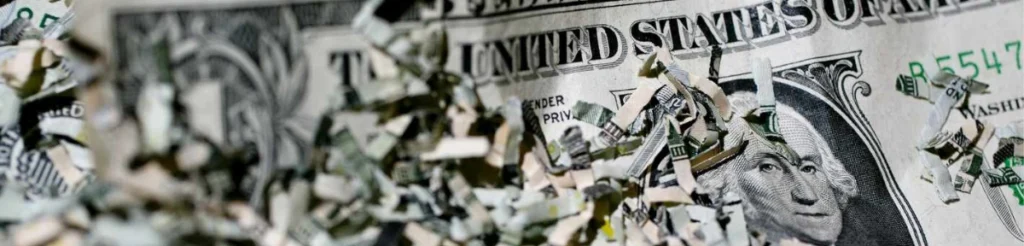
A loss of faith in the dollar would not look like a dramatic overnight crash. Instead, it would unfold gradually: persistent currency weakness, rising borrowing costs, declining foreign investment, and higher inflation. Living standards could erode as imported goods become more expensive and economic volatility increases.
The U.S. would still be a major economy, but its ability to project financial power would be significantly reduced. Recovery from such a shift would require years of disciplined fiscal management, policy stability, and global cooperation.
The Road Ahead

The current dip in the dollar should not be mistaken for an imminent collapse. The United States retains deep capital markets, strong institutions, and a track record of innovation. However, the warning signs are clear. Tariff-driven uncertainty, combined with unsustainable debt growth, places increasing pressure on the foundations of dollar dominance.
Preserving reserve currency status requires more than economic size. It demands trust, consistency, and a commitment to long-term stability. As global competition intensifies, the choices made today will shape the dollar’s role for decades to come.
The message from markets is unmistakable: once confidence is lost, regaining it becomes exponentially harder.