
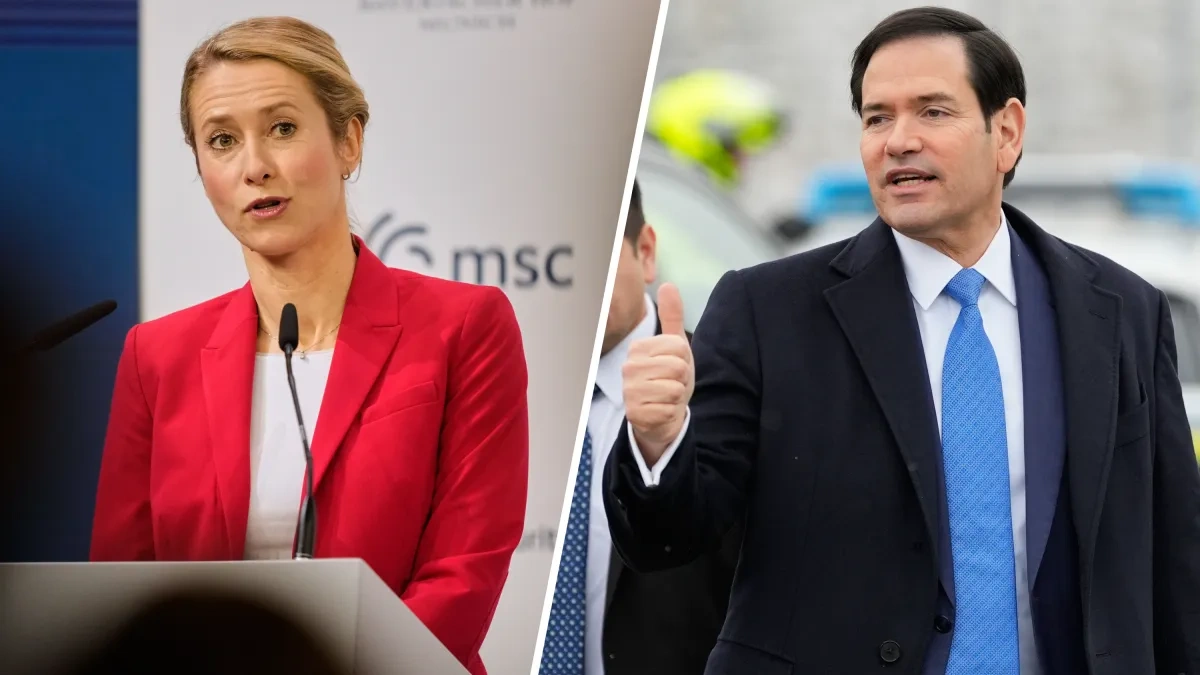
A growing transatlantic debate has emerged after remarks from voices in the United States suggested that Europe is facing “civilizational erasure.” The claim, framed around concerns such as migration, cultural change, demographic shifts, and political identity, has been met with firm resistance from European leaders, intellectuals, and institutions. Many in Europe argue that the narrative is exaggerated, ideologically driven, and misunderstands the continent’s history, values, and democratic resilience.
The pushback highlights deeper tensions in how the United States and Europe perceive social change, national identity, and the future of liberal democracies. While both sides share long-standing alliances and cultural ties, this episode underscores widening differences in political discourse and priorities.
Understanding the ‘Civilizational Erasure’ Claim

The phrase “civilizational erasure” has been used by certain American political commentators and public figures to suggest that Europe’s cultural foundations are being undermined by globalization, immigration, and progressive social policies. According to this view, Europe risks losing its historical identity and traditions under the pressure of rapid demographic and cultural transformation.
Supporters of this argument often point to:
- Increased migration from non-European regions
- Declining birth rates in several European countries
- Expanding multicultural policies
- Shifts in language, religion, and social norms
However, critics argue that these interpretations oversimplify complex social realities and ignore Europe’s long history of adaptation, diversity, and reinvention.
Europe’s Strong Rebuttal

European leaders and scholars have been quick to reject the idea that the continent is on the verge of cultural collapse. Officials from across the political spectrum emphasize that Europe is not a static civilization frozen in time, but a dynamic collection of societies shaped by centuries of exchange, migration, and reform.
Many argue that labeling social change as “erasure” reflects fear-based politics rather than objective analysis. Europe, they say, has repeatedly integrated new populations while preserving democratic institutions, cultural heritage, and social cohesion.
The response has been particularly strong within the European Union, where policymakers stress that diversity and pluralism are core European values, not threats to civilization.
A Clash of Political Narratives

At the heart of the disagreement lies a clash of political narratives. In parts of the United States, debates around identity, immigration, and national culture have become highly polarized. These debates increasingly spill over into commentary on Europe, often projecting American political anxieties onto European societies.
Europeans counter that such narratives fail to account for:
- Different historical experiences with nationhood and borders
- Stronger social welfare systems that support integration
- Legal frameworks emphasizing human rights and inclusion
From a European perspective, cultural confidence is not measured by exclusion but by the ability to uphold democratic values amid change.
Immigration: Challenge, Not Erasure
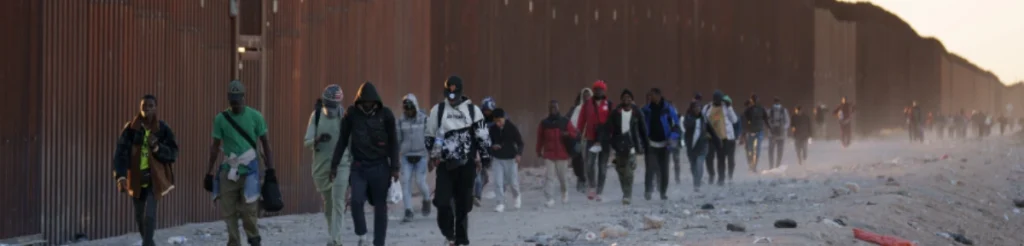
Immigration is often central to claims of civilizational decline, yet European officials insist that migration should be viewed as a manageable challenge rather than an existential threat. While acknowledging strains on housing, employment, and public services, they argue these issues require policy solutions—not alarmist rhetoric.
Countries such as Germany, France, Spain, and Italy have long histories of absorbing migrants and refugees. European governments increasingly focus on:
- Integration through education and language programs
- Labor market inclusion
- Social cohesion initiatives
Critics of the “erasure” narrative argue that Europe’s cultural institutions—literature, art, law, and democratic governance—remain robust and influential globally.
Demographics and the Future of Europe
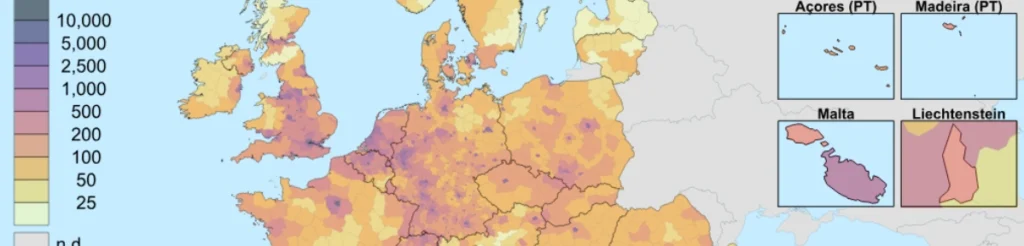
Another aspect of the debate concerns Europe’s aging population and low birth rates. Some American commentators frame this as evidence of decline. European experts respond that demographic transitions are a global phenomenon affecting advanced economies worldwide, including the US itself.
Rather than signaling civilizational collapse, demographic change is prompting Europe to rethink:
- Family support policies
- Work-life balance
- Immigration as a labor solution
- Technological innovation
These adaptations, Europeans argue, demonstrate resilience rather than erasure.
Cultural Identity in a Globalized World

European thinkers emphasize that culture is not erased by interaction—it evolves. From the Renaissance to the industrial age, European civilization has been shaped by external influences and internal reform.
Modern Europe continues to celebrate:
- National languages and traditions
- Regional identities
- Historical heritage sites
- Local customs and festivals
At the same time, it embraces global connectivity. This balance, many argue, is a strength that allows Europe to remain relevant in a rapidly changing world.
Diplomatic Sensitivities and Transatlantic Relations

The controversy also raises diplomatic sensitivities. Transatlantic relations have historically been grounded in shared values such as democracy, rule of law, and human rights. European officials caution that framing Europe as a civilization in decline risks undermining mutual respect and cooperation.
Policy experts note that such rhetoric can:
- Fuel misinformation
- Strengthen extremist narratives
- Distract from shared global challenges
From climate change to security cooperation, Europe and the US remain deeply interconnected. Many European leaders stress the importance of constructive dialogue rather than ideological labeling.
Media, Social Platforms, and Amplification

Social media has played a major role in amplifying the “civilizational erasure” narrative. Short clips, provocative headlines, and algorithm-driven content often favor emotionally charged messaging over nuanced discussion.
European analysts warn that:
- Simplistic narratives distort public understanding
- External commentary can inflame domestic debates
- Cultural stereotypes are reinforced
As a result, European institutions are increasingly investing in strategic communication to counter misleading portrayals of the continent’s social reality.
Public Opinion Across Europe
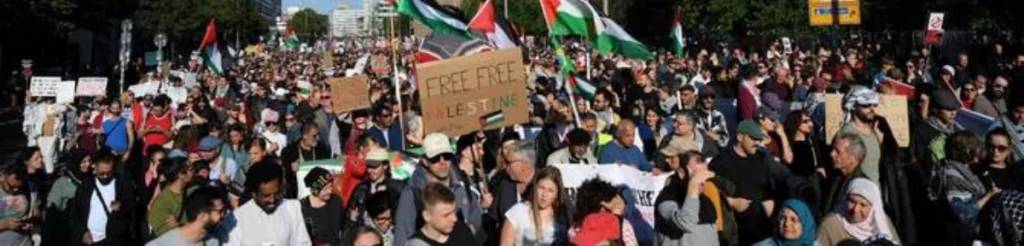
Surveys and public discourse across Europe suggest a more complex picture than the erasure narrative implies. While citizens express concerns about cost of living, security, and social cohesion, most do not view cultural diversity as an existential threat.
Instead, European voters tend to prioritize:
- Economic stability
- Healthcare and education
- Environmental protection
- Democratic accountability
This gap between lived concerns and external rhetoric reinforces Europe’s rejection of apocalyptic claims about its future.
A Broader Global Context

Europe is not alone in navigating identity and change. Countries across Asia, Africa, and the Americas face similar debates about globalization, migration, and cultural continuity. European leaders argue that framing these universal challenges as uniquely European problems is misleading.
In this context, Europe sees itself not as a civilization being erased, but as one actively negotiating its future—much like every other major society.
Conclusion
Europe’s pushback against claims of “civilizational erasure” reflects a broader defense of its democratic confidence and cultural adaptability. European leaders, scholars, and citizens reject the notion that diversity and change equate to decline, emphasizing instead a long tradition of resilience and reinvention.
While transatlantic debates on identity and culture are likely to continue, Europe’s response makes one thing clear: it does not see itself as a civilization under threat, but as a living, evolving project grounded in shared values and democratic institutions.
As global challenges intensify, constructive dialogue—not fear-driven narratives—will be essential in maintaining strong US–Europe relations and addressing the real issues shaping the future of societies on both sides of the Atlantic.