

One of the most important weeks of the year is approaching, and global markets are getting ready. The much-awaited U.S. Federal Reserve meeting in December is finally coming up, but there are other events that are causing traders anxiety. As investors look ahead to 2026, a surge of significant central bank decisions from Canada, Switzerland, Australia, Turkey, and Brazil, as well as new Chinese economic data, will all work together to influence market sentiment.
This busy week could have an impact on everything from international equities markets to foreign exchange and commodities, including interest-rate decisions, currency fluctuations, and economic slowdowns.
Microsoft and Nvidia Invest Up to $15 Billion in Anthropic: A New Power Shift in the Global AI Race
Fed Showdown Looms Large

Few meetings this year have piqued Wall Street’s interest as much as the Federal Reserve’s impending decision. The central bank is still split on whether to keep loosening monetary policy after implementing two rate cuts earlier in 2025. The markets are once again strongly favouring a third quarter-point rate decrease, despite weeks of shifting expectations.
However, there is a lack of cohesiveness inside the Fed.
Policymakers’ recent remarks have shown stark differences. Hawkish members contend that the economy is still too hot to warrant additional cuts, while dovish policymakers point to declining inflation and softening macro indicators. There are “strongly differing views about how to proceed,” according to Fed Chair Jerome Powell, who also acknowledged the division.
Traders were reminded that the outcome is far from certain by that one comment, which caused them to panic.
Data Gaps Complicate the Outlook
The uncertainty was further increased by the recent shutdown of the U.S. government. Important statistics, such as employment figures for October and November, were delayed, leaving market participants and Fed members somewhat in the dark. The November inflation report is the only significant data that will be available prior to the meeting, and it may have a last-minute impact on expectations.
The Fed’s judgement becomes even more uncertain in the absence of a complete picture of the state of the economy.
Although rate-futures markets continue to price in a strong likelihood of a cut, those chances have been erratic, falling below 50% on many occasions in recent weeks.
Political pressure adds to the difficulty. In order to promote development through 2026, President Donald Trump has asked the central bank to take more aggressive action on multiple occasions. Investors are aware that this kind of pressure can affect sentiment both inside and outside the Fed, despite the Fed’s insistence on its independence.
JD Vance Praises Elon Musk’s Grok: Why the Vice President Favors xAI’s Chatbot Over Competitors
China’s Slowdown Persists as Investors Await Key Data

Beyond the United States, international markets continue to be very interested in and concerned about China. For a large portion of the year, the country’s economic momentum has faltered due to a protracted real estate decline, shaky consumer mood, and persistent financial problems among large developers.
All Eyes on Chinese Trade and Inflation Data
This week, investors will closely watch two important data releases:
- Trade report (Monday) – expected to show continued weakness in exports
- Inflation numbers (Wednesday) – likely to highlight tepid domestic demand
Calls for Beijing to implement more substantial stimulus measures could intensify if there are any indications of further decline.
China’s Property Crunch Deepens
China Vanke, an indicator of stability and once the nation’s leading real estate developer, is now requesting a one-year extension on the repayment of an onshore bond. On December 10, bondholders will cast their votes. According to observers, this could serve as a gauge for the overall health of China’s real estate market.
Defaults have become a recurring issue, and investors worry that financial strain may affect the entire economy if prompt action is not taken.
Australia: Stability Amid Regional Uncertainty
On Tuesday, the Reserve Bank of Australia (RBA) will convene. Australia’s economy has proven resilient in the face of declining global growth, thanks to stable household expenditure, high immigration, and good employment. In the midst of Asia-Pacific unrest, markets largely anticipate that the RBA will keep rates unchanged.
Blue Origin Launches NASA’s Escapade Mission to Mars: A New Chapter in Commercial Space Exploration
Switzerland Stays Frozen on Rates as Franc Surges

The Swiss National Bank (SNB) is prepared to maintain its benchmark interest rate at zero percent, a position that is probably going to last long into 2026. Even if prices momentarily go below zero, policymakers seem content with their current stance as inflation moves towards the lower end of the SNB’s comfort band.
However, inflation isn’t Switzerland’s biggest problem.
The Swiss Franc: Too Strong for Comfort
This year, the Swiss franc has experienced its greatest yearly run since 2002, rising by around 12% against the US dollar. The currency has remained comparatively stable against the euro in 2025, but it has increased by about 14% during the previous five years.
The country’s exporters are being squeezed by this unrelenting strength, particularly:
- Luxury watchmakers
- Machinery manufacturers
- Wealth managers
- Pharmaceutical companies
Even small currency fluctuations can have significant economic repercussions because almost half of Swiss exports are to Europe.
Although the SNB has previously intervened in currency markets, policymakers may exercise caution to prevent causing more fluctuations given the current high level of global volatility.
Turkey Prepares for Another Rate Cut Amid Inflation Challenges
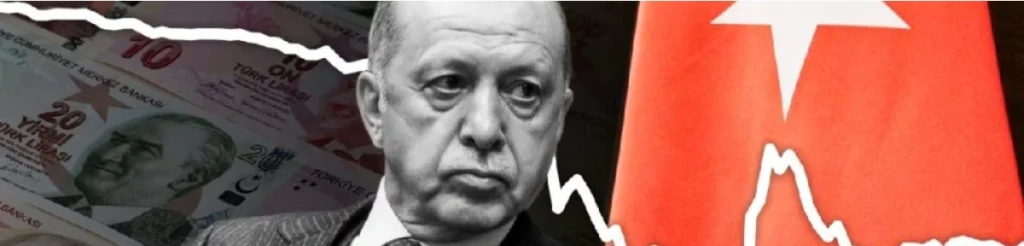
On Thursday, the Turkish central bank is anticipated to continue its easing cycle by lowering interest rates once more. Thanks to declining food prices, headline inflation in November decreased somewhat to little over 31%. However, the fundamental picture is still difficult to understand.
Inflation Pressures Remain Stubborn
Inflation in the services sector, especially rents, is still very high. Turkey’s inflation rate is still among the highest in significant emerging countries, notwithstanding a slow improvement.
Analysts are keeping a careful eye on the policy rate at 39.5% to determine whether policymakers will choose:
- A 100-basis-point cut (the consensus view), or
- A larger 150-basis-point move (which some banks say is possible)
The decision will set the tone for the country’s monetary trajectory in 2026.
Brazil Holds Steady — But Not for Long?
It is generally anticipated that Brazil’s central bank would maintain its benchmark rate at 15%, a two-decade high, during its meeting on Wednesday. Some traders have speculated that a rate decrease could occur as early as January 2026 because the Brazilian economy has been deteriorating more dramatically than expected.
Any change in tone will be closely examined by markets, who will look for signs that officials are getting ready to change course.
Perplexity’s Comet AI Browser Expands to Android: Redefining the Future of Mobile Browsing
Optimism Fuels Market Bets for 2026 — But Risks Remain

Investor optimism is remarkably strong going into 2026 despite all the uncertainty, from the sharp decline in bitcoin in November to the turbulence in Japanese government bonds.
The “Re-Acceleration Trade” Gains Momentum
Global economy is expected to stabilize and potentially accelerate in the upcoming year, according to major institutions. Businesses like Lombard Odier contend that such a setting might spark a widespread surge in the world’s equity markets. Bullish enthusiasm has been further stoked by BNP Paribas’ forecast of above-consensus growth for the eurozone.
Despite rumours of an AI bubble, tech stocks are still high, the euro is rising, and U.S. equities continue to get significant inflows.
But Is Sentiment Too Hot?
Extreme optimism can be risky in the financial markets. When reality changes, consensus trades have a history of rapidly falling apart.
Traders would be advised to stay vigilant because there is a lot riding on central bank choices, China’s economic trajectory, and the Fed’s uncertain future. A single unanticipated action, such as an unexpected surge in inflation, a hawkish tone from the Fed, or dismal data from China, may quickly change people’s opinions.
US Stock Futures Rise on Hopes of Ending the Longest US Government Shutdown
Conclusion: A Defining Week for Global Markets
This coming week could be a turning point in the economy, not just another stretch on the calendar. Financial markets will be shaped going into 2026 by central bank choices made across continents, crucial data from China, and a sharply split Federal Reserve.
The message is obvious for traders, policymakers, and international investors: Be prepared, stay educated, and remain nimble because the coming days have the potential to completely change the economic landscape.