
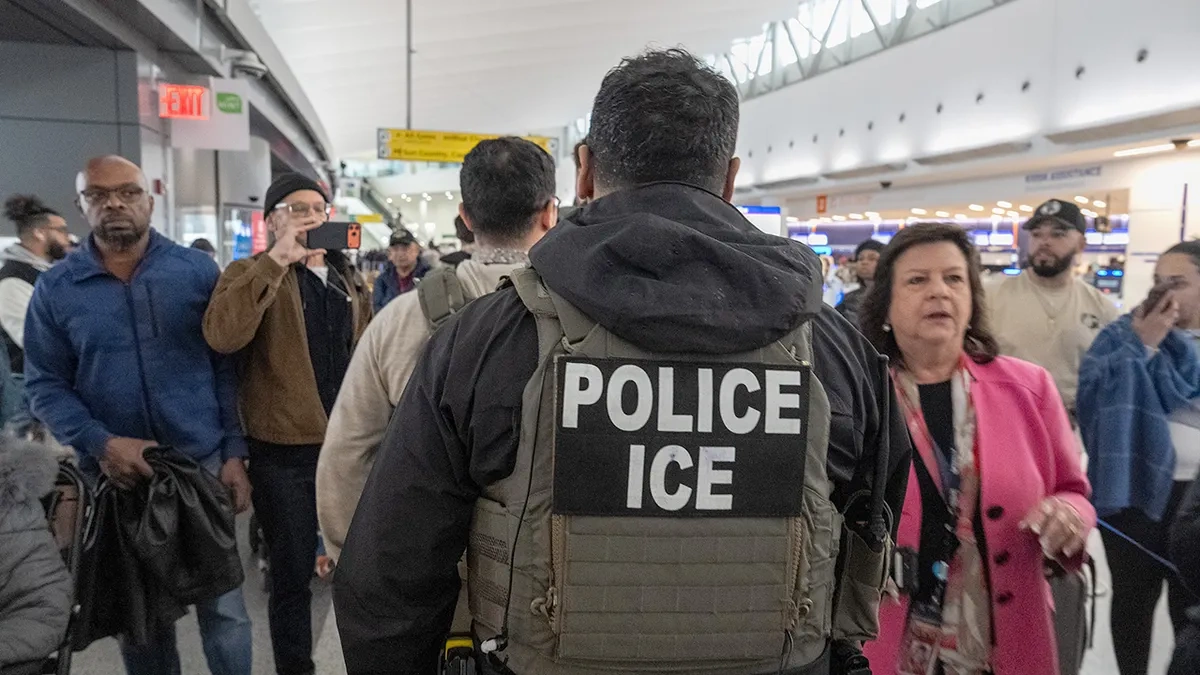
A new political clash has emerged in Washington after U.S. Senator Cory Booker expressed outrage over the Trump administration’s decision to deploy Immigration and Customs Enforcement (ICE) agents at major U.S. airports. The move, announced amid severe staffing shortages at airport security checkpoints, quickly became a flashpoint in the ongoing debate over immigration enforcement, civil liberties, and national security.
Former ICE Director and current border policy adviser Tom Homan responded strongly to Booker’s criticism, defending the deployment as necessary for maintaining order and ensuring safety during travel disruptions. The disagreement reflects broader political tensions surrounding immigration enforcement and federal authority, with both sides presenting sharply different interpretations of the policy’s impact.
This blog explores what led to the dispute, what each side is saying, and what it means for travelers, immigration policy, and U.S. politics.
Why ICE Agents Were Deployed to Airports
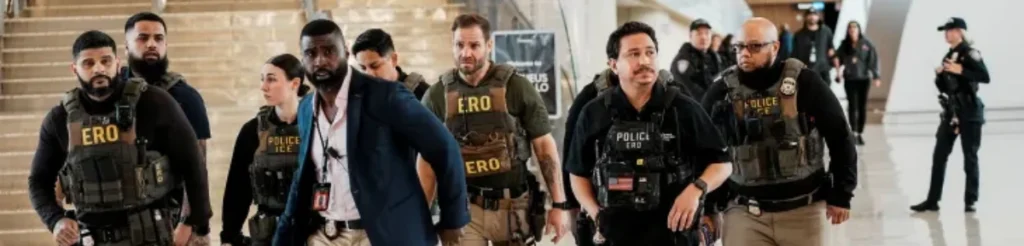
The controversy began when the Trump administration deployed ICE agents to assist at airports across the United States. The move came amid significant Transportation Security Administration (TSA) staffing shortages caused by a partial government shutdown and increased travel demand.
Reports indicate that ICE agents were deployed to 14 major airports to help manage crowd control, assist with lines, and provide additional security presence. Officials emphasized that ICE personnel were not responsible for passenger screening but instead supported logistics and operations.
At several airports, long wait times and staffing shortages created chaos. In some locations, absenteeism among TSA officers reached over 40 percent, forcing authorities to seek additional personnel to maintain operations.
Supporters of the move argued that the deployment was a practical solution to a temporary crisis, while critics viewed it as an expansion of immigration enforcement into everyday travel environments.
Senator Booker’s Reaction

Senator Cory Booker was among the most vocal critics of the decision. He expressed concern that placing immigration enforcement officers in airports could create fear among travelers, particularly immigrants and non-citizens.
Booker argued that:
- The presence of ICE agents could intimidate travelers
- It may blur the lines between airport security and immigration enforcement
- The move risks normalizing expanded federal enforcement authority
Civil rights advocates echoed these concerns, warning that ICE officers retain the authority to question and detain individuals, even if their official role is limited to logistical support.
Booker’s criticism reflects longstanding Democratic concerns about immigration enforcement practices and the potential for overreach.
Homan Fires Back
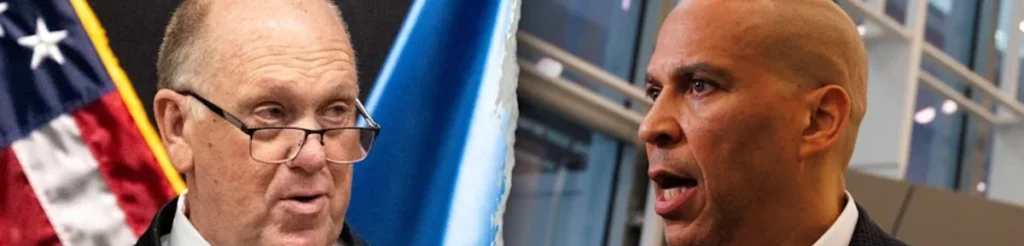
Tom Homan responded forcefully to Booker’s remarks, defending the deployment and accusing critics of politicizing a practical security measure.
Homan emphasized that:
- ICE agents are trained law enforcement professionals
- The deployment is temporary and focused on operational support
- The goal is to reduce travel delays and improve safety
He argued that critics were mischaracterizing the policy and creating unnecessary fear among travelers. According to Homan, ICE officers are already present at many airports and their expanded role during a staffing crisis is both reasonable and necessary.
Homan also stressed that the agents would not conduct immigration sweeps or random checks, reinforcing that their primary role was to assist with logistics and crowd management.
Public Reaction to ICE Deployment
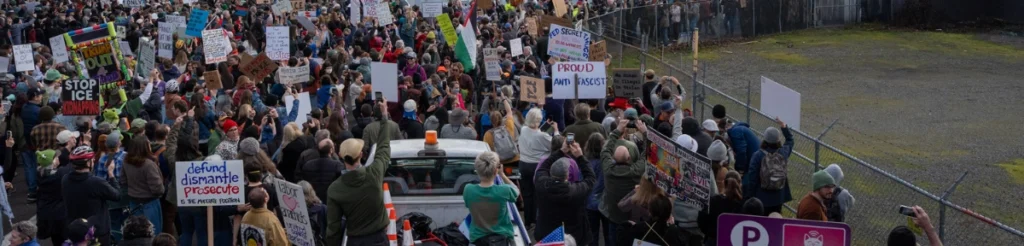
Public reaction to the deployment has been mixed.
Some travelers welcomed the additional presence, particularly in airports where wait times improved significantly. In Atlanta, for example, travelers reported smoother movement through security checkpoints after ICE personnel assisted with operations.
Others expressed concern about civil liberties and the potential for profiling. Immigration attorneys advised certain travelers—particularly non-citizens—to exercise caution and carry documentation when traveling.
This divided reaction highlights the broader political and social debate surrounding immigration enforcement in the United States.
Political Context Behind the Dispute
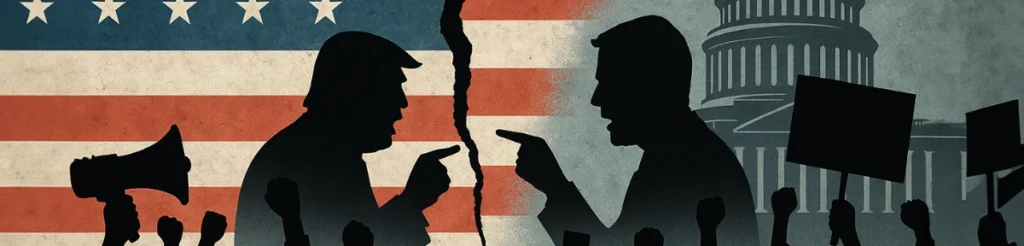
The clash between Homan and Booker comes amid heightened political tensions over immigration policy. The Trump administration has prioritized stricter enforcement measures, while Democratic lawmakers have called for reforms and greater oversight.
Key issues in the broader debate include:
- Immigration enforcement authority
- Federal versus local control
- Civil rights protections
- Border security priorities
The airport deployment has become another battleground in this ongoing political struggle.
Legal and Policy Concerns

Legal experts have also weighed in on the situation. While ICE agents may assist with logistics, their presence raises questions about authority and jurisdiction.
Key concerns include:
- Whether ICE agents can conduct immigration enforcement at airports
- How travelers’ rights are affected
- Potential legal challenges to the deployment
Experts note that travelers still retain certain rights, including the right to remain silent and request legal counsel. However, exercising these rights may result in delays or additional questioning.
Impact on Travelers

For travelers, the immediate impact varies depending on location.
Potential effects include:
Positive Impacts:
- Shorter wait times
- Improved crowd management
- Increased security presence
Concerns:
- Fear among immigrant communities
- Confusion over roles and authority
- Increased scrutiny in public spaces
Travelers are advised to remain informed and understand their rights while traveling.
Broader Implications

The dispute between Homan and Booker reflects a larger national conversation about immigration enforcement and government authority.
Key implications include:
- Future Use of ICE in Public Spaces
If successful, similar deployments could occur during future emergencies. - Political Polarization
The debate highlights deep divisions between Republicans and Democrats on immigration policy. - Public Perception of Immigration Enforcement
How the public responds may influence future policy decisions.
What Happens Next

The situation continues to evolve. Lawmakers may push for hearings, oversight, or legislative action regarding ICE deployments. Meanwhile, the administration appears committed to maintaining the policy until airport staffing returns to normal.
Both sides remain firm in their positions:
- Homan argues the move improves safety and efficiency
- Booker warns it threatens civil liberties and public trust
The outcome of this debate could shape future immigration enforcement strategies.
Conclusion
The clash between Tom Homan and Senator Cory Booker over ICE airport deployments underscores the growing tensions surrounding immigration enforcement in the United States. While supporters view the move as a practical response to staffing shortages, critics see it as an alarming expansion of enforcement authority.
As political debates continue, travelers and policymakers alike will be watching closely to see how this situation unfolds. Whether the deployment proves temporary or sets a precedent for future actions remains to be seen.
One thing is clear: the debate over immigration enforcement—and the balance between security and civil liberties—is far from over.