
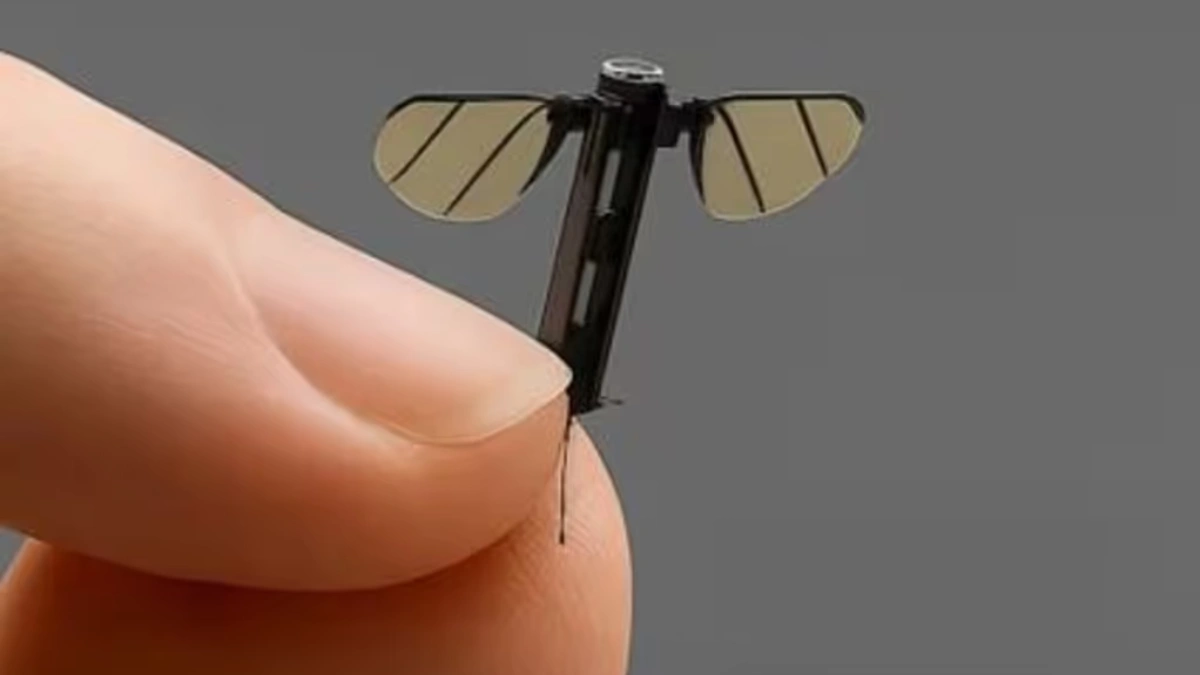
In the fast-evolving world of military technology, drones have become one of the most transformative tools of modern warfare and intelligence gathering. From high-altitude surveillance aircraft to palm-sized reconnaissance devices, nations are racing to out-innovate each other in unmanned systems. Recently, China drew global attention after unveiling what many analysts are calling one of the world’s strangest spy drones — a device that looks less like traditional military hardware and more like something from nature itself.
This unusual development highlights not only China’s growing technological sophistication but also a broader shift in how intelligence operations may be conducted in the future. The drone in question represents a new frontier: biomimicry in military surveillance.
The Rise of Biomimetic Drones
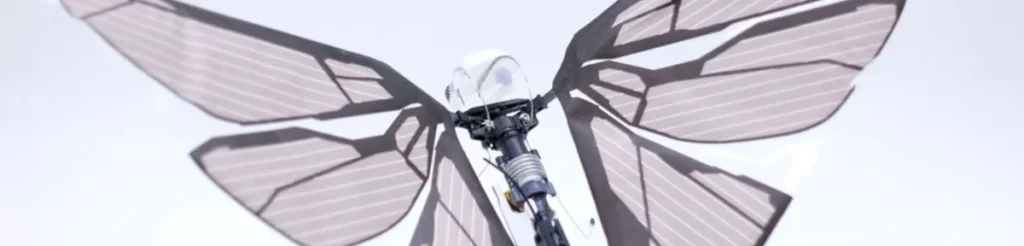
Biomimicry — the practice of designing technology inspired by biological organisms — is not new. Engineers have long studied birds, insects, and marine animals to improve aerodynamics and efficiency. However, applying biomimicry to covert military surveillance is a far more sensitive and strategically significant move.
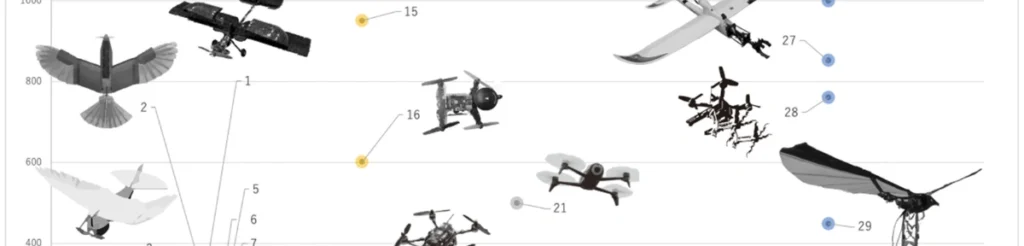
China’s strange spy drone reportedly mimics the appearance and movement of small birds. Unlike conventional quadcopters, which are easily identifiable by their spinning rotors, this drone is designed to blend seamlessly into natural environments. Its flapping wings, lightweight body, and quiet propulsion system make it exceptionally difficult to detect both visually and acoustically.
The goal is simple but powerful: surveillance without suspicion.
Why Traditional Drones Are Becoming Vulnerable
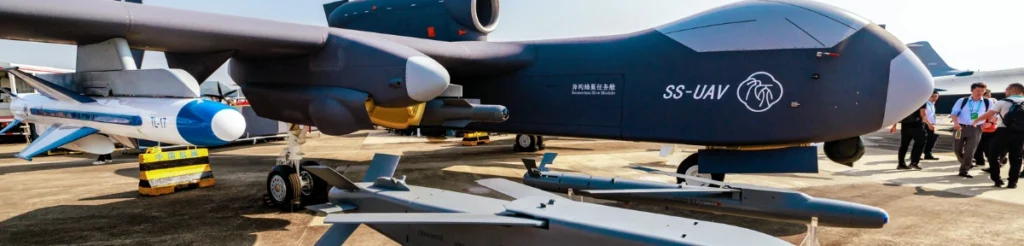
To understand why China is investing in such unusual designs, it helps to examine the limitations of traditional drones.
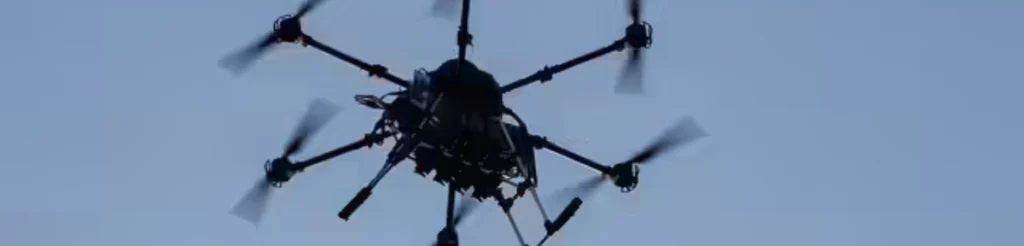
Conventional surveillance drones face several growing challenges:
Radar detection systems are improving rapidly
Urban environments are saturated with drone awareness
Military bases now deploy anti-drone defenses
Acoustic signatures make quadcopters easy to identify
Visual recognition systems flag typical drone shapes
As counter-drone technology becomes more sophisticated, stealth must evolve beyond simply flying higher or quieter. China’s biomimetic approach attempts to solve this by making the drone appear harmless — even ordinary.
If a surveillance device looks like a bird, most people will never question its presence.
Key Features of China’s “Strangest” Spy Drone
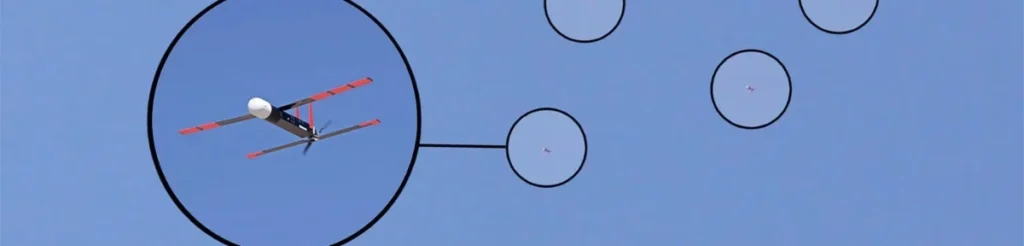
While exact specifications remain closely guarded, defense analysts and reported demonstrations suggest several standout characteristics.
- Bird-Like Flapping Wings
The most eye-catching feature is the flapping-wing mechanism. Unlike fixed-wing drones or quadcopters, this design replicates the natural flight motion of birds. This offers several advantages:
Lower noise profile
Reduced radar cross-section
More natural movement patterns
Better camouflage in populated areas
However, flapping-wing drones are mechanically complex. Achieving stable flight while maintaining endurance requires advanced materials and control systems — suggesting significant progress in Chinese aerospace engineering.
- Ultra-Lightweight Materials
Reports indicate the drone uses advanced composite materials to keep weight extremely low. Lightweight construction is critical for biomimetic drones because flapping flight is energy-intensive compared to propeller-based systems.
China’s progress in carbon composites, micro-motors, and battery miniaturization likely plays a key role here. The lighter the drone, the longer it can remain airborne while maintaining realistic bird-like motion. - Quiet Propulsion and Low Acoustic Signature
One of the biggest giveaways of conventional drones is the high-pitched buzz of rotors. China’s design reportedly focuses heavily on acoustic stealth.
By using:
Soft flapping mechanisms
Enclosed micro-motors
Vibration-dampening structures
…the drone can operate in environments where typical quadcopters would immediately draw attention.
This makes it especially useful for urban intelligence gathering.
- Miniaturized Surveillance Payload
Despite its small size, the drone is believed to carry advanced sensors, potentially including:
High-resolution micro cameras
Real-time video transmission
GPS navigation
AI-assisted flight stabilization
Miniaturization is one of the most critical enablers of such systems. Over the past decade, sensor technology has shrunk dramatically while improving in quality — making bird-sized surveillance increasingly feasible.
Strategic Implications
The development of biomimetic spy drones raises serious strategic and ethical questions.
Surveillance Without Detection
If widely deployed, such drones could fundamentally change intelligence operations. Traditional counter-surveillance methods — such as looking for hovering quadcopters — may become less effective.
Potential use cases include:
Monitoring sensitive facilities
Border reconnaissance
Urban intelligence gathering
Battlefield surveillance
Maritime observation
The psychological impact is also significant. If people begin to suspect that ordinary wildlife could be surveillance devices, it could create a new layer of mistrust in public spaces.
Challenges for Air Defense Systems
Most current anti-drone systems are optimized to detect:
Radio frequency signatures
Rotor noise
Standard drone flight patterns
Known radar profiles
Biomimetic drones may slip through some of these filters, especially at low altitudes. This forces defense planners worldwide to rethink detection strategies.
Future countermeasures may need to incorporate:
AI-based behavioral analysis
Advanced optical recognition
Bio-pattern anomaly detection
Multi-sensor fusion systems
In short, the drone-defense game is entering a new phase.
Technical Hurdles China Had to Overcome
Building a convincing bird-like drone is far more difficult than it appears. Several engineering challenges must be solved simultaneously.
Flight stability:
Bird flight is highly dynamic and complex. Replicating stable, controllable flapping flight requires sophisticated algorithms and sensors.
Power efficiency:
Flapping flight consumes more energy than propellers. Engineers must optimize wing mechanics and battery performance to achieve useful endurance.
Durability:
Moving wing parts face mechanical stress and wear. Long-term reliability is a major design hurdle.
Autonomous navigation:
To truly blend in, the drone must fly natural-looking paths rather than rigid programmed routes.
China’s ability to field such a system suggests meaningful progress across multiple advanced technology domains.
Global Reactions and Concerns

Defense observers around the world are watching closely. While many countries — including the United States — have experimented with biomimetic drones, China’s version appears closer to practical deployment than many expected.
Key concerns include:
Escalation of surveillance competition
Increased difficulty of counterintelligence
Potential civilian privacy risks
Dual-use proliferation to non-state actors
At the same time, some analysts caution against overhyping the technology. Biomimetic drones typically have shorter flight times and smaller payload capacity compared to traditional UAVs.
They are not replacements — at least not yet — but rather specialized tools for niche missions.
The Future of Stealth Surveillance
China’s strange spy drone signals a broader trend: the future of unmanned systems may be less mechanical and more biological in appearance.
We are likely to see continued innovation in:
Insect-sized reconnaissance drones
Bird-mimicking surveillance platforms
Soft robotics for stealth movement
AI-driven autonomous swarms
Hybrid bio-mechanical systems
As sensors shrink and AI improves, the line between natural and artificial objects in the sky may become increasingly blurred.
Conclusion
China’s development of a bird-like spy drone represents more than just an unusual engineering experiment — it reflects a strategic shift in how nations think about stealth, surveillance, and technological advantage.
By moving away from obvious quadcopter designs toward biomimetic systems, China is exploring a future where intelligence gathering becomes nearly invisible to the human eye and harder for traditional defenses to detect.
Whether these drones become widely deployed or remain specialized tools, one thing is clear: the era of obvious, buzzing surveillance drones may be giving way to something far more subtle — and far more difficult to counter.
As global powers continue to innovate, the skies above us may soon hold more than meets the eye.