
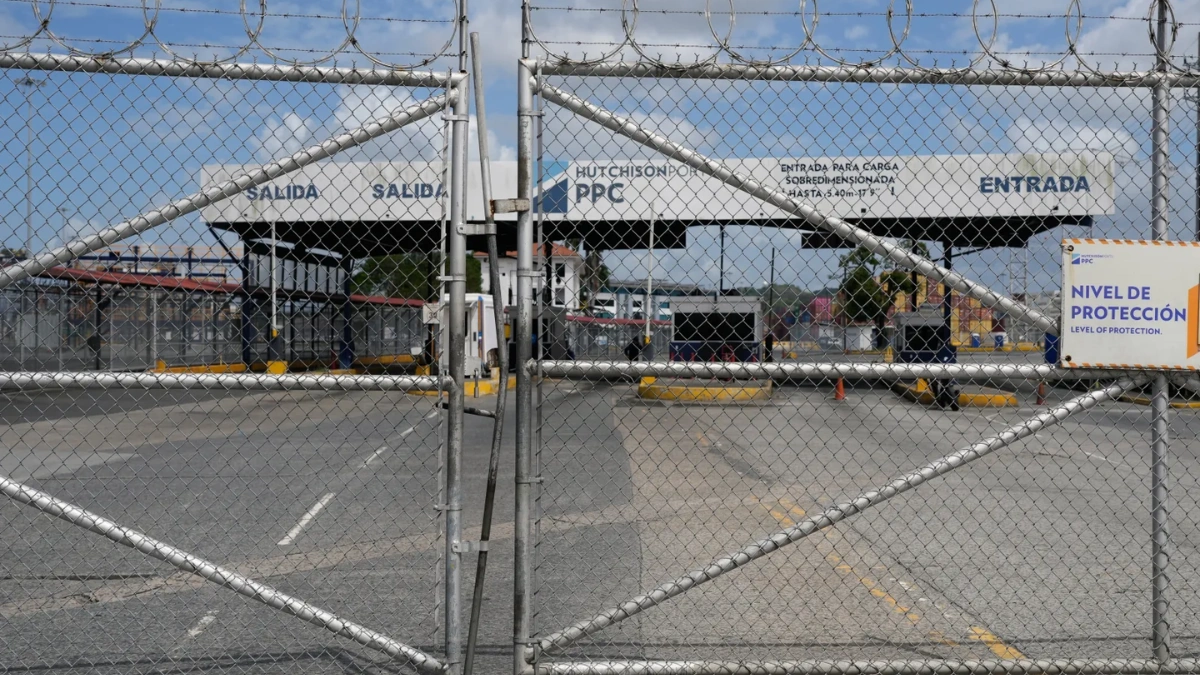
The global shipping landscape has come under renewed scrutiny following reports that key port operations linked to Chinese interests near the Panama Canal have been seized or restructured. The development is being widely interpreted as a strategic setback for Beijing’s maritime ambitions. While the full implications are still unfolding, the move highlights how control of critical infrastructure has become central to modern geopolitical competition.
Importantly, this situation does not involve a takeover of the Panama Canal itself. The canal remains firmly under Panamanian sovereignty. Instead, the focus is on commercial port concessions and logistics assets in the canal’s vicinity. Even so, the symbolism is powerful, given the canal’s importance to global trade and the intensifying rivalry between the United States and China.
The Strategic Importance of the Panama Canal
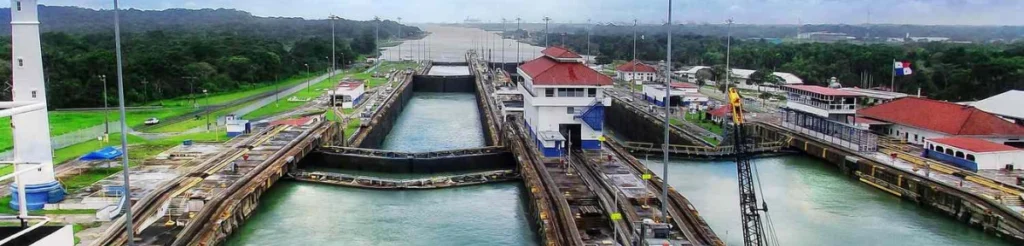
The Panama Canal is one of the world’s most vital maritime chokepoints. By connecting the Atlantic and Pacific Oceans, it significantly reduces travel time for ships moving between Asia, the Americas, and parts of Europe. Roughly 5–6% of global maritime trade passes through the canal each year, making it indispensable to global supply chains.
Because of this importance, any infrastructure surrounding the canal—especially ports, logistics hubs, and terminals—carries outsized strategic weight. Control or influence over these facilities can provide commercial advantages and geopolitical leverage. This reality has increasingly drawn major powers into competition over port ownership and operations worldwide.
China’s Expanding Global Port Strategy
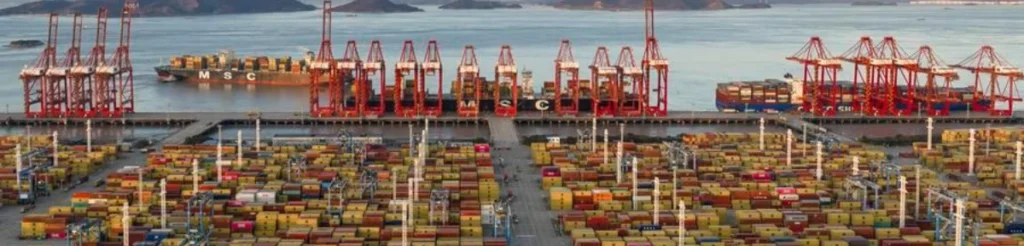
Over the past decade, Chinese companies have invested heavily in overseas port infrastructure, often under the broader umbrella of the Belt and Road Initiative (BRI). Beijing has consistently framed these investments as commercially driven efforts to improve global connectivity and support trade.
Chinese-linked firms now have stakes in dozens of ports across Asia, Africa, Europe, and Latin America. These investments typically include:
- Container terminal operations
- Port construction and modernization
- Logistics park development
- Long-term concession agreements
However, many Western policymakers view this expansion through a strategic lens. Concerns have been raised about potential dual-use capabilities, long-term dependency risks, and China’s growing visibility into global shipping flows.
Against this backdrop, any rollback of Chinese port presence near the Panama Canal is bound to attract international attention.
What the Latest Developments Suggest
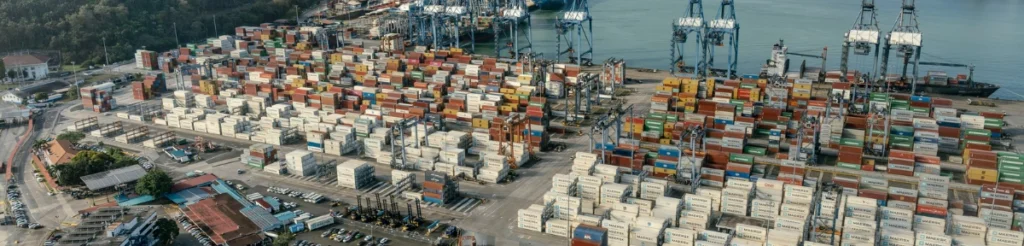
Recent actions by Panamanian authorities reportedly involve regulatory reviews, contract reassessments, and in some cases restructuring of port concessions connected to Chinese operators. These moves appear to stem from a mix of legal, commercial, and political considerations.
Key elements of the situation include:
- Increased scrutiny of foreign port operators
- Possible ownership adjustments
- Contract compliance reviews
- Heightened regulatory oversight
While the precise details vary by facility, the broader signal is clear: strategic infrastructure deals are now being examined far more closely than in the past.
The U.S.–China Rivalry in the Background

It is difficult to separate these developments from the broader strategic competition between Washington and Beijing. The United States has grown increasingly concerned about Chinese involvement in critical infrastructure across the Western Hemisphere, particularly in locations with strategic relevance.
American policymakers have repeatedly emphasized risks related to:
- Supply chain security
- Data access and monitoring
- Military or dual-use potential
- Long-term geopolitical influence
The Panama Canal occupies a uniquely sensitive position in U.S. strategic thinking due to its historic ties to Washington and its continued importance for American commerce and naval mobility. Although Panama is a sovereign nation making its own decisions, the wider geopolitical environment clearly shapes how such investments are perceived and reviewed.
Immediate Impact on Global Trade

In the short term, global shipping is unlikely to face major disruption from these developments. The canal’s operations remain stable, and commercial incentives strongly favor continuity. Shipping companies prioritize reliability, and Panama has a strong interest in maintaining its reputation as a dependable transit hub.
However, the medium- to long-term effects could be more significant.
Potential consequences include:
- Greater political risk attached to port investments
- More rigorous foreign investment screening worldwide
- Increased caution among infrastructure investors
- Possible shifts in how China structures overseas deals
Even without immediate disruption, the strategic signaling alone may reshape future investment patterns.
Panama’s Delicate Balancing Act

For Panama, the situation requires careful navigation. The country’s economy depends heavily on its role as a neutral global logistics hub. Maintaining investor confidence while addressing geopolitical sensitivities is a complex challenge.
Panama must balance:
- Economic ties with China
- Strategic relations with the United States
- Domestic regulatory credibility
- The need to attract continued foreign investment
Any perception that port decisions are driven purely by geopolitical pressure could create uncertainty among global investors. At the same time, Panama faces pressure to ensure transparency, legal compliance, and national security oversight in major infrastructure concessions.
This balancing act will likely remain a defining feature of Panama’s policy approach.
Implications for China’s Maritime Ambitions
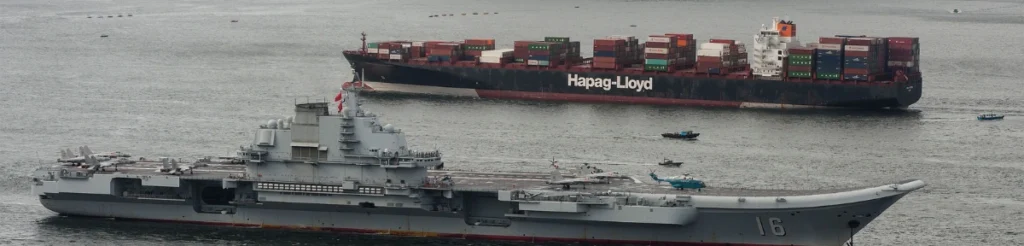
For Beijing, the situation represents a warning sign rather than a decisive defeat. China still maintains a vast global port footprint and remains one of the world’s dominant trading powers. However, the episode reinforces a growing reality: overseas infrastructure investments are becoming increasingly politicized.
Several strategic lessons are emerging for Chinese planners:
- Host-country politics can rapidly reshape commercial deals
- Strategic locations invite higher scrutiny
- Western Hemisphere projects face particular sensitivity
- Infrastructure ownership carries rising reputational risk
In response, China may pursue more joint ventures, increase transparency, and diversify its investment geography to reduce exposure to political pushback.
The Rise of Infrastructure Geopolitics

What makes this episode particularly significant is the broader trend it reflects. Around the world, infrastructure is no longer viewed as purely commercial. Ports, railways, telecom networks, and energy corridors are increasingly seen through a national security lens.
We are entering an era defined by:
- Strategic investment screening
- Supply chain security concerns
- Economic statecraft
- Competition over logistics chokepoints
In this environment, even routine contract disputes can quickly take on geopolitical meaning. The Panama Canal situation fits squarely within this emerging pattern.
What to Watch Going Forward

Several indicators will determine how consequential this development ultimately becomes:
First, whether similar reviews occur in other countries hosting Chinese port investments. A broader pattern would significantly amplify the impact.
Second, how China adjusts its overseas infrastructure strategy. A shift toward more partnership-based models could reduce political friction.
Third, whether U.S.–China competition intensifies further in Latin America and the Caribbean.
Finally, how effectively Panama preserves its reputation as a neutral, rules-based logistics hub.
Conclusion
The restructuring of Chinese-linked port operations near the Panama Canal highlights the growing intersection of commerce and geopolitics in global infrastructure. While the canal itself remains firmly under Panamanian control and global shipping continues uninterrupted, the episode signals a more contested future for strategic logistics assets.
For China, it is a reminder that commercial expansion abroad now carries heightened political risk. For the United States and its partners, it underscores the importance placed on safeguarding critical trade corridors. And for Panama, it reinforces the delicate balance required to remain open to investment while protecting national interests.
The world’s most important waterways are no longer just channels for trade—they are increasingly arenas of strategic competition.