
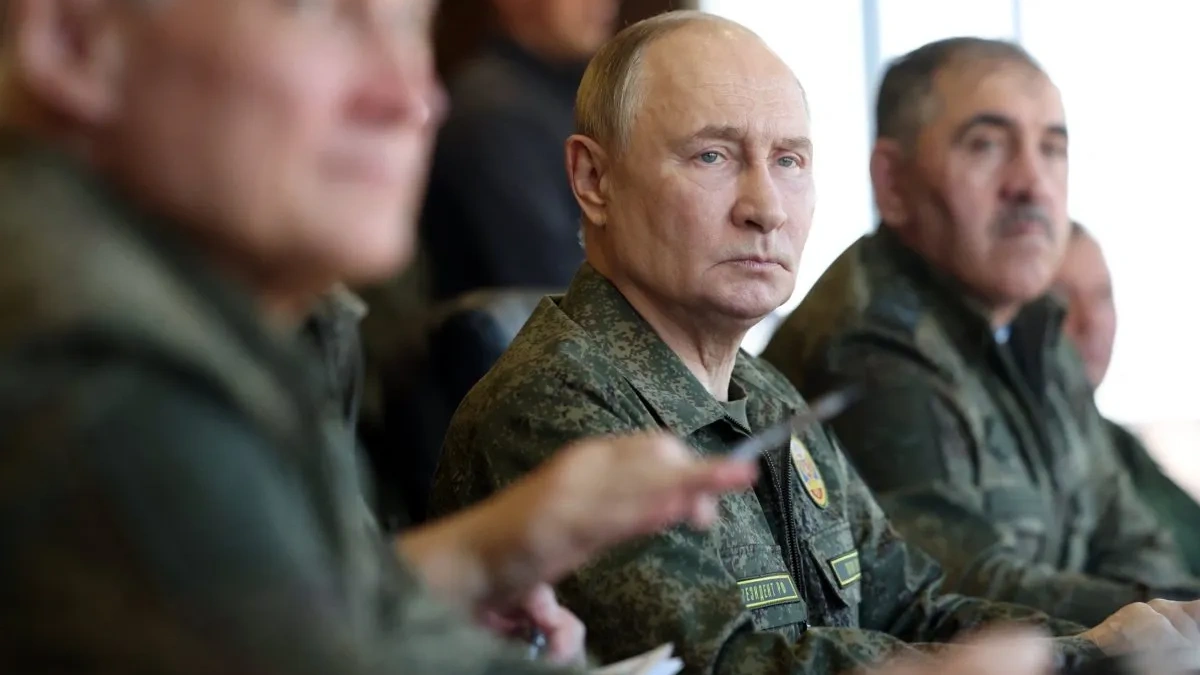
The narrative coming from Moscow continues to project resilience, strength, and inevitability. Yet beneath the carefully managed messaging, mounting evidence suggests that Russia is facing one of the most consequential strategic setbacks of the post-Cold War era. The gap between official rhetoric and on-ground realities has widened dramatically, raising serious questions about the sustainability of Russia’s current trajectory.
While it would be premature to declare Russia on the verge of collapse, it is increasingly difficult to ignore the structural, military, economic, and geopolitical pressures that have accumulated since the full-scale invasion of Ukraine. The Kremlin may attempt to control the narrative, but the scale of strain is becoming harder to conceal.
The Strategic Miscalculation
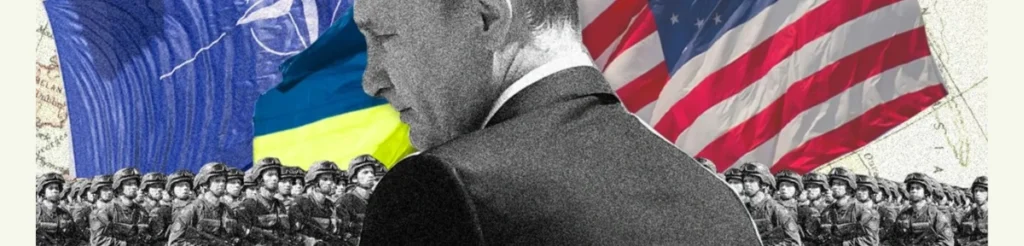
At the heart of Russia’s current predicament lies a fundamental miscalculation. The expectation of a swift military victory and a fractured Western response proved deeply flawed. Instead of a quick campaign, the conflict evolved into a prolonged and costly war of attrition.
Several assumptions appear to have guided Moscow’s initial approach:
Ukraine would offer limited resistance
Western unity would fracture quickly
Sanctions would be manageable
Russia’s military superiority would ensure rapid gains
Nearly all of these assumptions have been challenged by events. Ukrainian resistance proved far more organized and motivated than anticipated. Western countries not only remained united but expanded military and financial support to Kyiv. Meanwhile, sanctions—though not immediately crippling—have steadily eroded Russia’s long-term economic capacity.
This misreading of the strategic environment has imposed compounding costs on Russia’s leadership.
Military Strain and Battlefield Realities
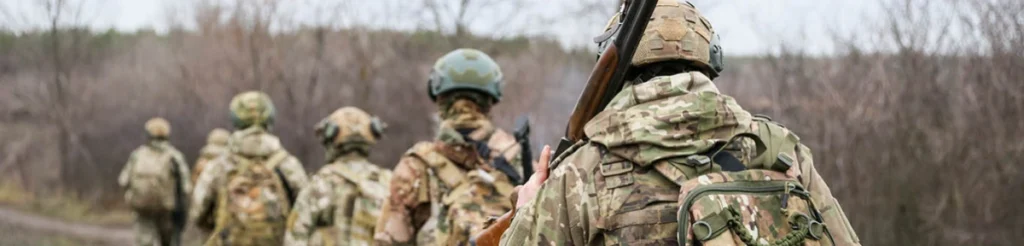
Russia’s military retains significant capabilities, but the war has exposed operational weaknesses that were previously masked by reputation. Heavy equipment losses, manpower pressures, and logistical difficulties have forced Moscow into repeated adjustments.
Key indicators of strain include:
Continued reliance on mobilization waves
Growing dependence on external suppliers
Equipment attrition at scale
Prolonged front-line stalemates
The shift from rapid maneuver warfare to grinding positional conflict has increased the human and material cost of the campaign. While Russia has adapted in certain areas—particularly in defensive fortifications and drone usage—the broader picture suggests diminishing returns relative to the resources committed.
Importantly, wars of attrition test not just military strength but economic endurance and political patience. This is where longer-term risks begin to multiply.
Economic Pressure Beneath the Surface
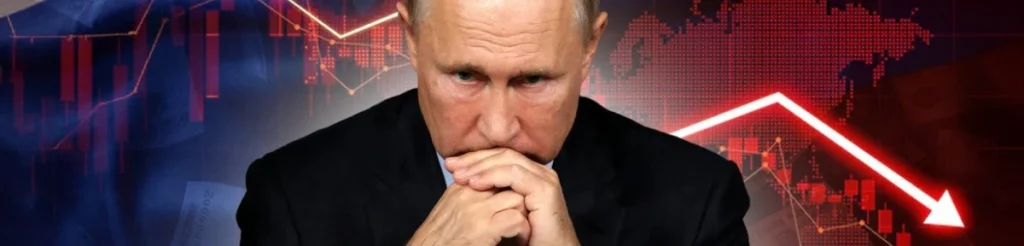
Despite official claims of stability, Russia’s economy is operating under significant structural pressure. Sanctions have not produced an immediate collapse, but they have reshaped the economy in ways that may constrain future growth.
Several trends are worth noting:
- War-Driven Growth Is Distorting the Economy
Much of Russia’s recent economic activity has been fueled by defense spending. While this can boost short-term output, it often crowds out productive civilian investment. Over time, this can lead to:
Inflationary pressure
Labor shortages
Reduced technological innovation
Budgetary strain
- Energy Revenues Face Long-Term Risks
Russia has successfully redirected some oil exports, particularly toward Asia. However, this pivot often comes with discounted pricing and increased logistical costs. Europe’s long-term diversification away from Russian energy also represents a structural loss that may not be easily reversed. - Technology Isolation Is Compounding
Restrictions on advanced semiconductors, machinery, and Western technology continue to bite gradually. These constraints rarely cause sudden shocks but can significantly degrade industrial competitiveness over time.
In short, the Russian economy is adapting—but adaptation is not the same as resilience.
Geopolitical Isolation and Strategic Drift
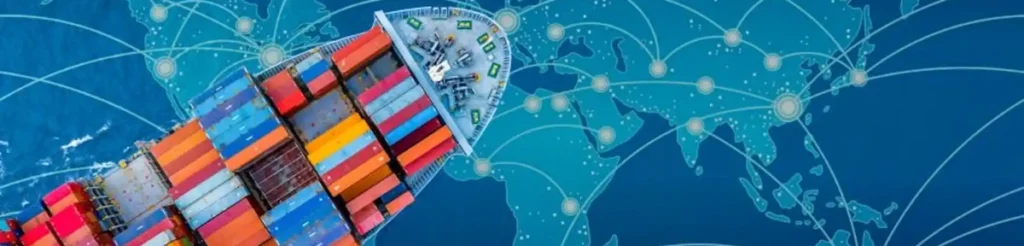
Another major consequence of the war has been Russia’s shifting global position. While Moscow has deepened ties with some non-Western partners, its overall geopolitical flexibility has narrowed.
Key developments include:
- Expansion and strengthening of NATO
- Reduced diplomatic space in Europe
- Greater dependence on a smaller group of partners
- Loss of influence in parts of the post-Soviet space
Perhaps the most consequential shift has been the revitalization of NATO. What Moscow may have hoped would be a divided alliance instead became more cohesive and expanded its footprint. This represents a long-term strategic setback that extends well beyond the battlefield.
At the same time, Russia’s growing reliance on a limited set of economic and political partners risks creating asymmetric dependencies that could constrain its future options.
Domestic Pressures and Political Management
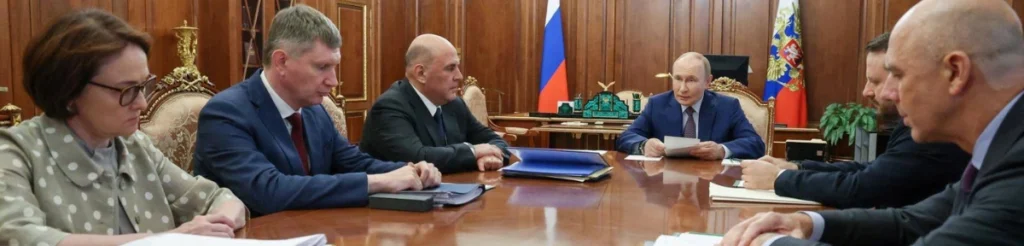
Internally, the Kremlin has so far maintained firm control over the political environment. However, sustaining public support for a prolonged conflict presents its own challenges.
Factors to watch include:
Casualty sensitivity over time
Economic fatigue among households
Elite cohesion
Regional budget pressures
Authoritarian systems can often absorb shocks longer than expected, but they are not immune to cumulative strain. The key question is not whether pressure exists—it clearly does—but whether it reaches a threshold that alters political calculations.
So far, the Russian leadership has managed dissent effectively. Yet history shows that prolonged wars can produce unpredictable domestic consequences, particularly when combined with economic stress.
The Information Gap
One of the Kremlin’s most effective tools has been narrative control. State messaging emphasizes stability, endurance, and eventual success. However, the credibility gap between messaging and observable realities continues to widen internationally.
In the modern information environment, complete narrative control is increasingly difficult. Satellite imagery, independent reporting, economic data, and battlefield analysis all contribute to a more complex picture than official statements alone.
This does not mean the Russian state is losing control of domestic opinion—but it does mean that externally, skepticism is growing.
Is Russia Really “On the Brink”?
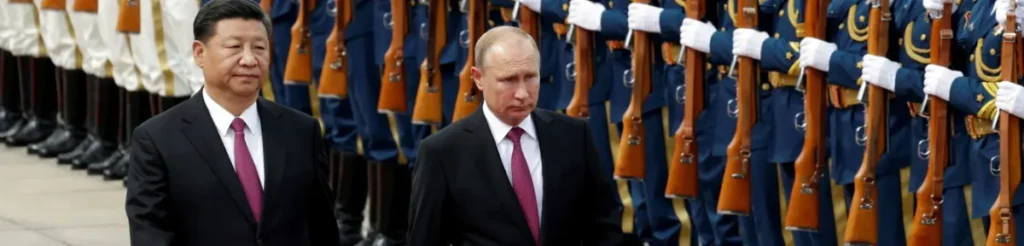
The phrase “on the brink” requires careful interpretation. Russia remains a major military power with significant resources, nuclear capabilities, and substantial economic buffers. Predictions of imminent collapse would be premature and historically risky.
However, several warning signals are unmistakable:
The strategic objectives of the war remain unmet
Long-term economic constraints are tightening
Geopolitical positioning has worsened
Military gains have come at very high cost
Rather than sudden collapse, the more plausible risk is gradual strategic erosion—a slow weakening of Russia’s relative power position over the coming years if current trends persist.
What Comes Next?
The trajectory of Russia’s position will depend on several key variables:
- Duration of the War
The longer the conflict continues, the more cumulative pressure builds across military, economic, and political domains. - Western Unity
Sustained Western support for Ukraine remains one of the most important external factors shaping Russia’s strategic environment. - Energy Market Dynamics
Global energy demand, pricing, and sanctions enforcement will heavily influence Russia’s fiscal capacity. - Domestic Stability
Elite cohesion and public tolerance for prolonged mobilization will remain critical internal indicators.
Conclusion
Vladimir Putin’s government continues to project confidence and control, and in many respects the Russian state remains far from collapse. Yet the broader strategic picture reveals mounting costs and narrowing options.