
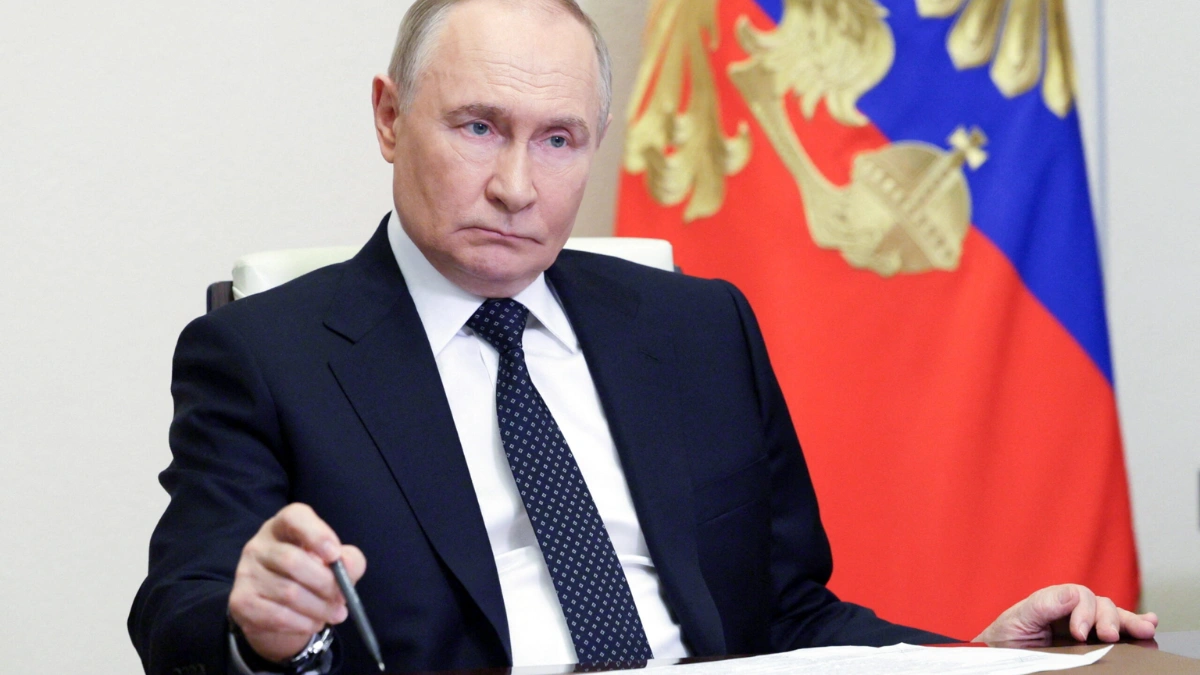
The war in Ukraine has entered a grinding, complex phase, and pressure on Russian President Vladimir Putin is steadily mounting. While the front lines continue to shift slowly, a different and increasingly powerful narrative is emerging from within Russian-held territories. Residents living under occupation have begun to describe a harsh reality marked by economic hardship, fear, and deep uncertainty about the future. Their accounts are adding new strain to Moscow’s political and military calculations and complicating the Kremlin’s efforts to project stability and control.
Life Under Occupation: Between Control and Survival
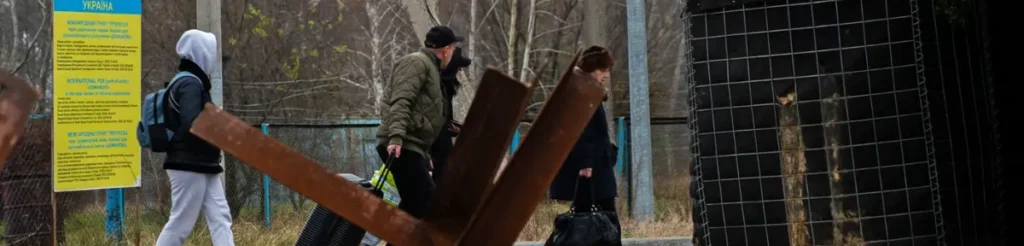
In regions of eastern and southern Ukraine currently under Russian control, daily life has become a balancing act. Many residents report heavy surveillance, restricted movement, and the constant presence of security forces. Checkpoints dot major roads, and local administrations have been reshaped to align with Moscow’s governance structures.
For civilians, the most immediate concern is survival. Basic services—electricity, heating, medical care, and banking—have been inconsistent in many areas. Some towns have experienced prolonged infrastructure damage due to ongoing shelling or earlier battles. While Russian authorities have attempted reconstruction in select locations, residents say progress is uneven and often more symbolic than transformative.
Economic disruption has been particularly severe. Ukrainian currency systems were replaced in many occupied zones, pensions and salaries were restructured, and supply chains were rerouted toward Russia. For some residents, especially the elderly, navigating the new system has been confusing and stressful. Small business owners have reported declining demand, rising costs, and bureaucratic hurdles that make normal commerce difficult.
Voices From the Ground
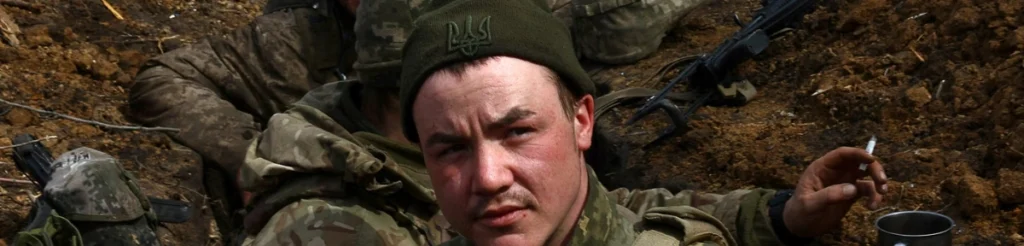
What is increasingly significant is that local testimonies—shared through interviews, social media, and reports from humanitarian groups—paint a picture that diverges sharply from Moscow’s official narrative of “stabilization and integration.”
Residents describe:
- Shortages of certain medicines and specialized healthcare
- Pressure to adopt Russian passports or administrative systems
- Education curriculum changes in schools
- Limited job opportunities outside state-linked sectors
- Anxiety about potential future fighting
Some civilians say they feel caught between two futures: uncertain reintegration with Ukraine or indefinite incorporation into Russia. This ambiguity has created psychological strain alongside material hardship.
Importantly, sentiment is not uniform. In some areas, particularly where fighting subsided earlier, a portion of the population has adapted pragmatically to new authorities. Others remain quietly resistant. But the growing volume of first-hand accounts highlighting hardship is contributing to international scrutiny of Russia’s governance in occupied regions.
Military Strain and Strategic Limits
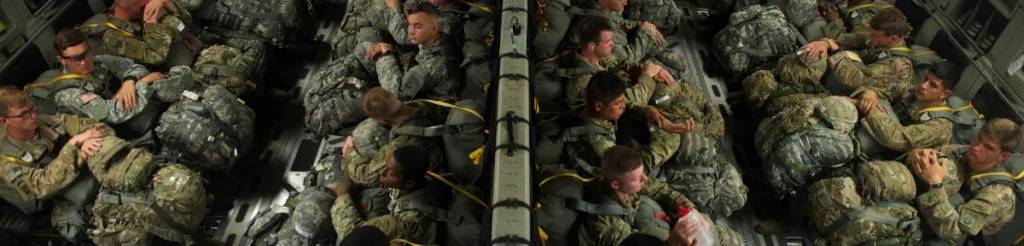
These civilian realities are unfolding against the backdrop of ongoing military pressure. Although Russia still controls significant territory, the war has proven far longer and more resource-intensive than initially anticipated.
Russian forces face several structural challenges:
- Extended supply lines across contested regions
- Continued Ukrainian long-range strikes on logistics hubs
- The need to rotate and reinforce troops
- Rising equipment losses over time
- Dependence on sustained defense spending
Maintaining control over occupied civilian populations adds another layer of complexity. Military resources must be divided between front-line operations and rear-area security duties such as patrols, infrastructure protection, and administrative enforcement.
Analysts note that prolonged occupations historically become more expensive and politically sensitive over time—especially when local populations remain uneasy or economically strained.
Economic Pressure on Moscow
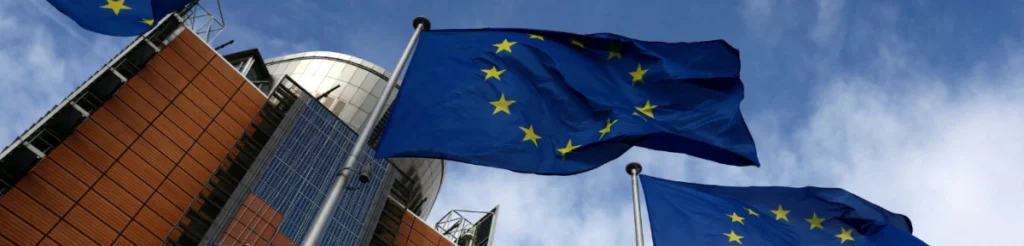
Beyond the battlefield, Russia continues to navigate the effects of Western sanctions and wartime spending. While the Russian economy has shown resilience in certain sectors—particularly energy exports redirected toward Asia—the fiscal burden of the war is substantial.
Key economic pressures include:
- Elevated military expenditure
- Labor shortages due to mobilization and emigration
- Technology import restrictions
- Budget strain from reconstruction efforts in occupied territories
- Long-term infrastructure and pension commitments
If living conditions in occupied Ukrainian regions fail to improve meaningfully, Moscow may face rising costs to subsidize those territories. This creates a strategic dilemma: maintaining control requires continued spending, but sustained spending deepens long-term economic pressure.
Information War and Narrative Risks
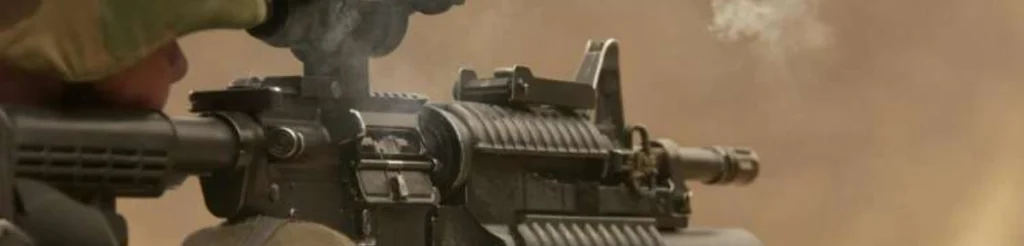
The Kremlin has invested heavily in shaping the narrative around the occupied regions, emphasizing reconstruction projects, restored services, and political integration. State media frequently highlights new housing developments, reopened schools, and infrastructure repairs.
However, the modern information environment is difficult to fully control. Local residents continue to share experiences through messaging apps, diaspora networks, and occasional independent reporting. Even small leaks of negative ground reality can accumulate into a broader perception challenge.
For Putin, the risk is not necessarily immediate domestic backlash—Russian media space remains tightly managed—but gradual erosion of the strategic narrative internationally and among undecided global audiences.
If the gap between official messaging and lived reality becomes too visible, it could complicate Russia’s diplomatic positioning and weaken claims of successful territorial consolidation.
Humanitarian Concerns Grow
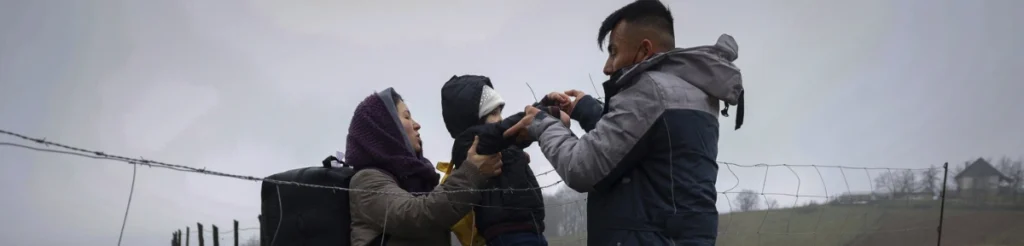
International humanitarian organizations monitoring the conflict have repeatedly warned about civilian vulnerabilities in contested and occupied areas. Concerns typically focus on:
- Access to healthcare and chronic medicines
- Protection of civilians near active front lines
- Displacement patterns
- Education disruption for children
- Winter energy security
Winter months in particular tend to amplify hardship in war-affected infrastructure zones. Damage to heating networks, power grids, or housing stock can quickly translate into humanitarian stress.
Reports from residents describing uneven service restoration have therefore attracted attention from aid groups and policymakers alike.
Ukrainian Strategy: Pressure Without Full Breakthrough
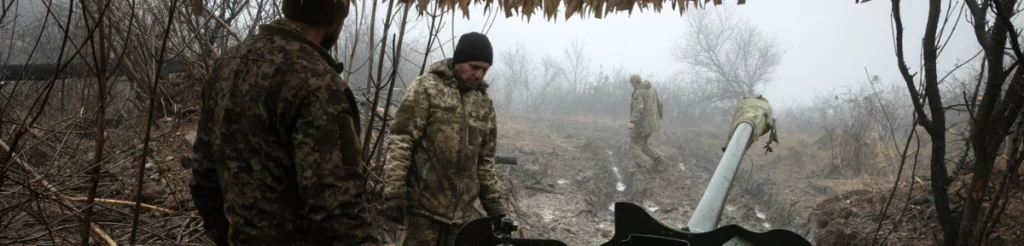
From Kyiv’s perspective, maintaining pressure on Russian-held territories—militarily, economically, and informationally—is part of a long-term strategy. Ukrainian forces have increasingly relied on precision strikes against logistics hubs, airfields, and ammunition depots rather than attempting constant large-scale territorial assaults.
This approach aims to:
- Raise the cost of occupation
- Disrupt Russian supply chains
- Signal continued Ukrainian reach
- Maintain international attention
- Stretch Russian defensive resources
Even limited but persistent strikes can create uncertainty for both occupying forces and local administrations, reinforcing the sense of instability described by some residents.
Political Stakes for Putin
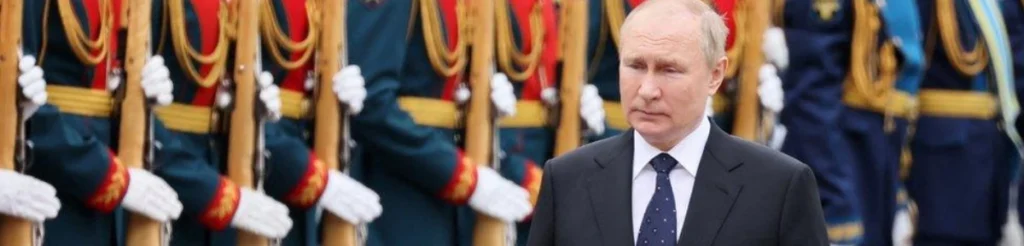
For Vladimir Putin, the situation in occupied Ukraine is not just a military matter—it is deeply political. The Kremlin has framed the territories as strategically and historically significant. Any perception of failure, stagnation, or uncontrolled hardship could carry reputational risks.
However, Putin’s position domestically remains relatively insulated in the short term. The Russian political system is highly centralized, and public dissent related to the war is tightly constrained. The greater pressure may be cumulative rather than immediate.
Long-term risks include:
- Rising fiscal burden
- Military fatigue
- Elite economic strain
- International isolation
- Prolonged low-intensity conflict without clear resolution
History shows that extended occupations rarely collapse suddenly—but they can gradually become more costly and politically complicated.
What Comes Next?
The trajectory of Russian-held Ukraine will likely depend on several intersecting factors:
- Military dynamics on the front lines
- Russia’s economic endurance under sanctions
- Ukraine’s ability to sustain long-range pressure
- Local civilian adaptation or resistance patterns
- Western support levels for Kyiv
In the near term, dramatic territorial shifts may remain limited. Instead, the conflict appears set to continue as a prolonged war of attrition—military, economic, and psychological.
What is increasingly clear, however, is that the lived experiences of civilians in occupied areas are becoming an important part of the broader strategic picture. Their testimonies highlight the real costs of prolonged conflict and underscore the complex governance challenges facing Moscow.
Conclusion
Vladimir Putin faces a multifaceted form of pressure in Russian-held Ukraine. While Russian forces maintain territorial control in several regions, accounts from local residents reveal persistent hardship, uncertainty, and uneven recovery. These ground-level realities do not immediately threaten Moscow’s hold—but they do complicate the long-term sustainability of occupation.
As the war grinds on, the contest is no longer only about front lines on a map. It is also about economics, civilian resilience, information credibility, and political endurance. The voices emerging from occupied Ukraine suggest that beneath the surface of territorial control lies a far more fragile and demanding reality—one that may continue to test the Kremlin in the months and years ahead.