
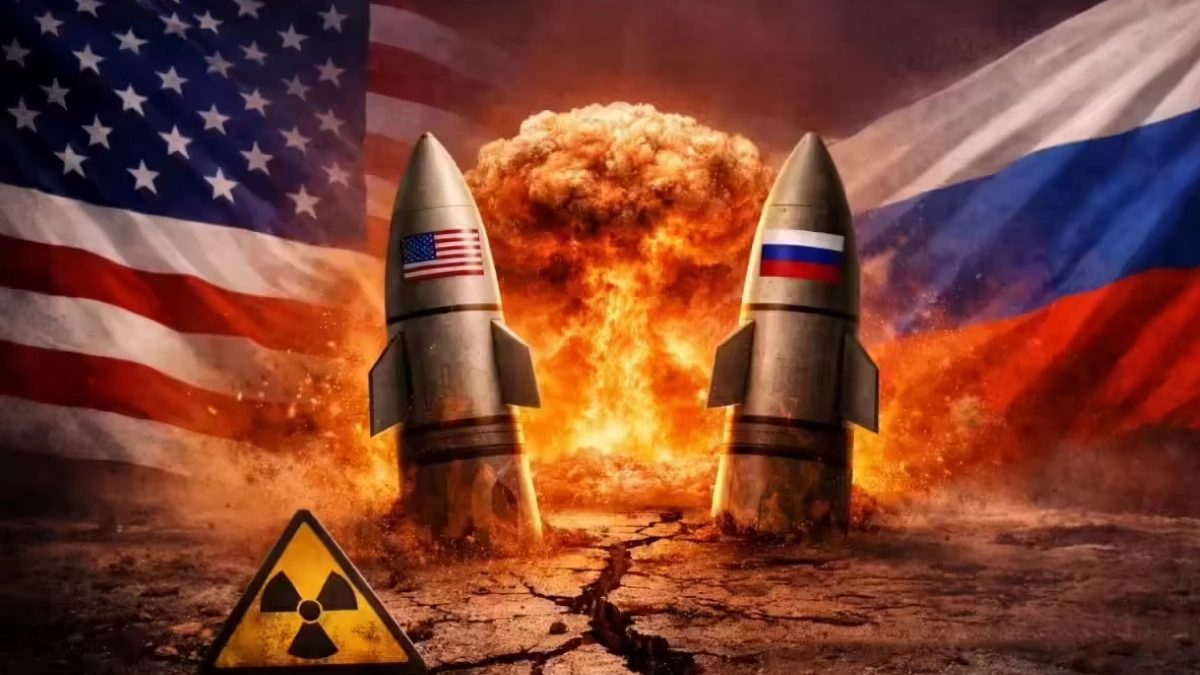
Tensions between the United States and Russia are rising yet again in one of the world’s most strategically sensitive regions: the Arctic. At the centre of this latest diplomatic flashpoint is Greenland, an autonomous territory of the Kingdom of Denmark — and the dramatic warning from Moscow that it will respond if Washington moves forward with plans to place weapons systems there.
A New Arctic Flashpoint
On February 3, 2026, Russian Deputy Foreign Minister Sergei Ryabkov explicitly said that Moscow is ready to take “military and technical compensatory measures” if the United States deploys weapons systems in Greenland. His remarks were delivered at a briefing in Beijing, where he also stressed that there is currently “no meaningful strategic stability dialogue” between the two powers.
Ryabkov’s warning comes as the New START treaty — the last major nuclear arms-control pact between Russia and the United States — expires. Russia has framed the end of that treaty as ushering in a “new reality” in which deeper geopolitical competition no longer constrained by bilateral arms limits may prevail.
The essence of Moscow’s grievance is straightforward: if the United States expands its military presence in the Arctic — particularly on Greenland, where the U.S. already has a presence — Russia views this as a direct threat to its national security. Ryabkov has not specified what form Russia’s response would take, but the language suggests potential military steps designed to counter perceived U.S. advantages in the region.
Why Greenland Matters
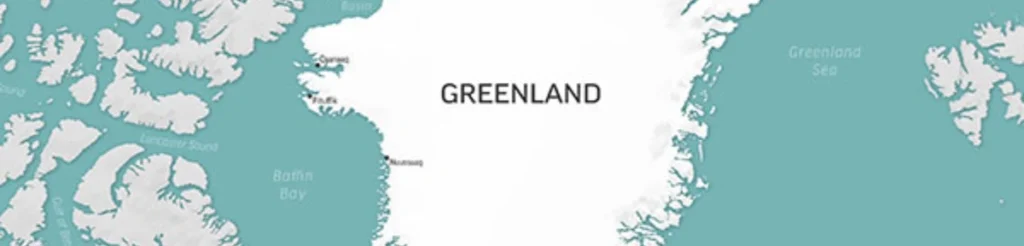
Greenland may seem remote and sparsely populated, but its strategic significance has grown sharply in recent years due to several factors:
- Arctic access and geography: As polar ice melts under climate change, the Arctic is opening new maritime routes and access to resources that were previously locked in ice.
- Military and radar positioning: Greenland’s geography makes it a valuable location for early-warning radar systems and defence infrastructure. The United States maintains the Pituffik Space Base in northern Greenland — its northernmost military installation — which is critical for missile warning and space surveillance.
- Geopolitical competition: The Arctic is increasingly becoming a zone of geopolitical rivalry not just between the United States and Russia, but also involving China, which has made diplomatic pushes to increase its footprint in the region.
These dynamics have transformed Greenland from a quiet icy territory into a contested stage for great-power competition. For Russia, the Arctic is considered central to its strategic defense and economic interests, especially as it seeks to protect its northern naval routes and resource claims.
U.S. Plans and the Golden Dome Proposal
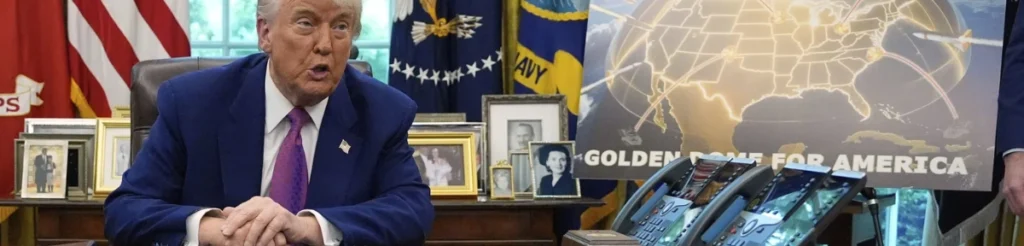
Though details of the U.S. plan remain incomplete publicly, Russia’s warnings specifically refer to the possibility of the United States deploying components of its “Golden Dome” missile defence concept in Greenland. This is envisioned as a layered missile defence system incorporating advanced detection and interception capabilities.
From Washington’s perspective, such defenses could help protect critical northern approaches against potential threats, whether ballistic missiles or incursions from Russia or China. However, to Moscow, the mere deployment of such systems near its borders could be perceived as strategic encirclement — a destabilizing shift akin to Cold War-era moves that justified countermeasures.
The Expiration of New START and Strategic Dialogue Breakdown

The unfolding crisis over Greenland is occurring amid another significant development: the expiry of New START, the only remaining major arms control agreement between Washington and Moscow, which placed limits on deployed strategic nuclear warheads and delivery systems. This treaty’s expiration marks the first time since the early Cold War that the U.S. and Russia have no binding limits on their nuclear arsenals.
Ryabkov’s comments suggest that the diplomatic channels that once kept strategic competition in check are no longer effective, largely because of what Russia views as recent U.S. unilateral actions. According to Ryabkov, any attempt to revive meaningful strategic stability dialogue would require significant changes in U.S. foreign policy — something Moscow says is not currently forthcoming.
European and NATO Responses
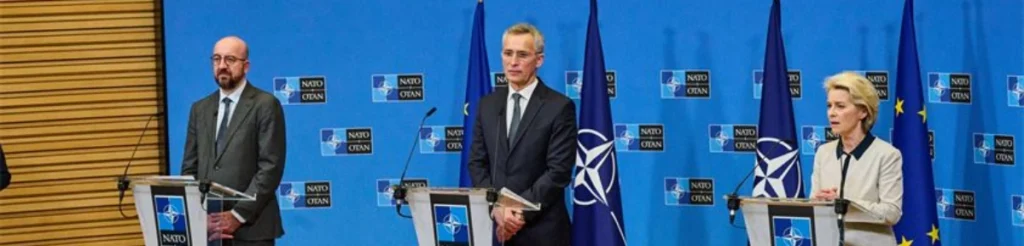
The U.S. push for increased presence in Greenland has produced a range of reactions in Europe. Denmark’s prime minister, Mette Frederiksen, has firmly rejected the notion of ceding Greenland’s sovereignty, asserting that any military action against a NATO ally would be “unacceptable” and could disrupt decades of alliance security.
Meanwhile, several European nations have increased their military footprint on the island. Known as Operation Arctic Endurance, this deployment includes Danish-led forces and NATO partners working together to bolster defence and deterrence capabilities in Greenland.
The rationale behind the multinational deployments is to reassure Greenland and Denmark that NATO’s collective security guarantees extend to the Arctic. However, these measures also reflect European concerns about potential destabilising moves by the United States or Russia.
Russia’s Broader Arctic and Global Strategy
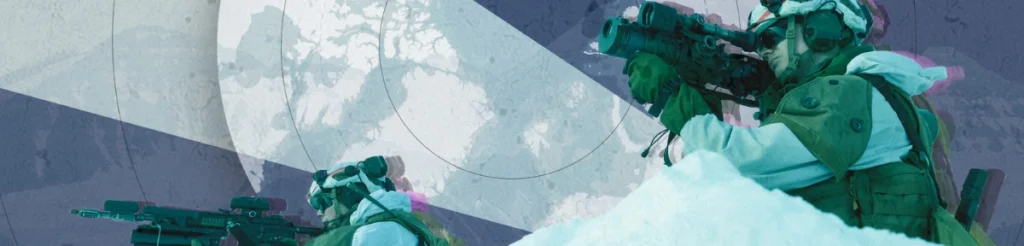
Russian leadership has repeatedly framed Western activity in the Arctic — including NATO maneuvers and U.S. initiatives — as provocative. Moscow’s stance is that the region should remain one of peace and cooperation and that growing Western military activity is based on exaggerated claims about Russian intentions. Such narratives, Russian officials argue, escalate tensions rather than defuse them.
Furthermore, Russia maintains that Arctic competition is not inherently zero-sum, and that cooperation is possible. Yet in practice, the Kremlin’s warnings indicate a belief that Western military advances near Russian territory could compel Moscow to make reciprocal moves to protect its own interests.
Implications for Global Security
The standoff over Greenland illustrates several broader trends in global geopolitics:
- End of Traditional Arms Control: With New START expired and no clear successor, mechanisms that once provided predictability and transparency in U.S.–Russia relations are gone, heightening the risk of miscalculation.
- Militarisation of the Arctic: What was once a remote frontier is now an arena for strategic competition, as nations assess the military and economic value of Arctic territories.
- Alliance Strains and Diplomacy: NATO partners must balance coordination with the United States against concerns about unilateral action that could destabilise alliance cohesion or regional security.
Risk of Escalation: Without effective channels for dialogue, even defensive deployments can be interpreted as offensive threats, increasing the likelihood of counter-measures that could spiral into broader tensions.
Conclusion: A Dangerous Arctic Balance
Russia’s warning to the United States over potential weapons deployment in Greenland is more than a diplomatic rebuke. It highlights a profound shift in global security dynamics — one where the Arctic has emerged as a new proving ground for great power competition, and where traditional frameworks for arms control are fraying.
For policymakers in Washington, Moscow, and across Europe, the challenge will be managing this competition without crossing thresholds that could trigger unintended escalation. Whether through renewed dialogue, confidence-building measures, or multilateral negotiation, effective diplomacy will be essential to prevent a localized dispute from becoming a far broader crisis.
As the world watches events in the Arctic closely, Greenland — with its frozen terrain and strategic position — stands at the centre of one of the most consequential geopolitical debates of our time.