
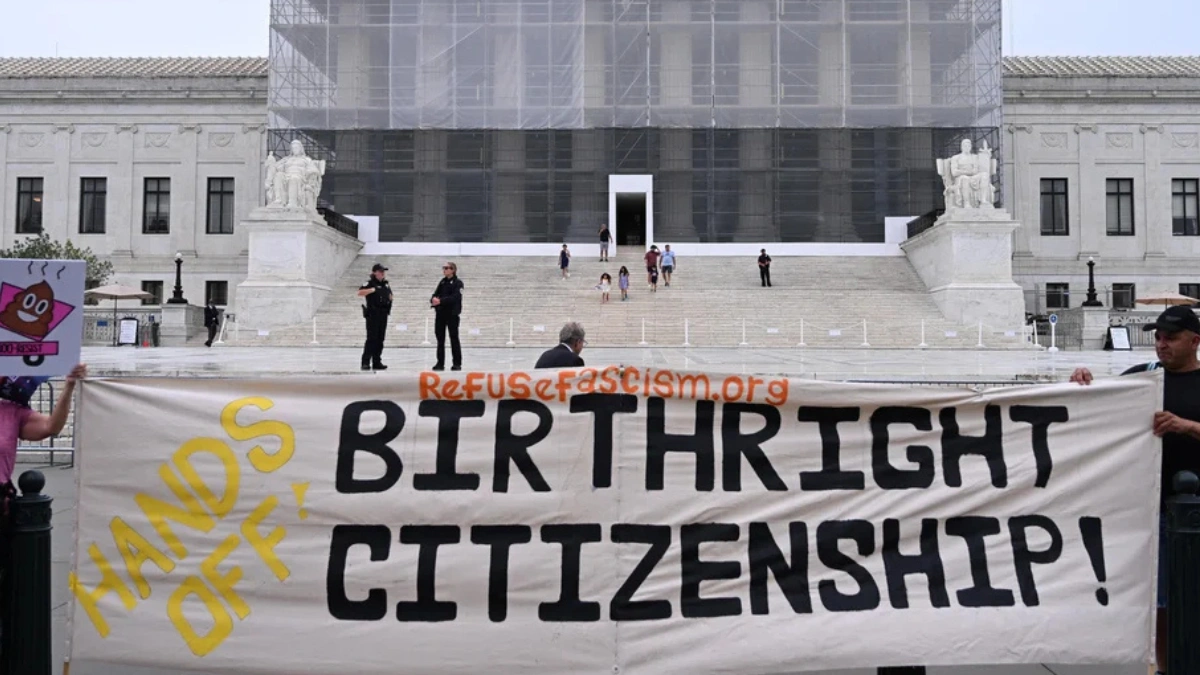
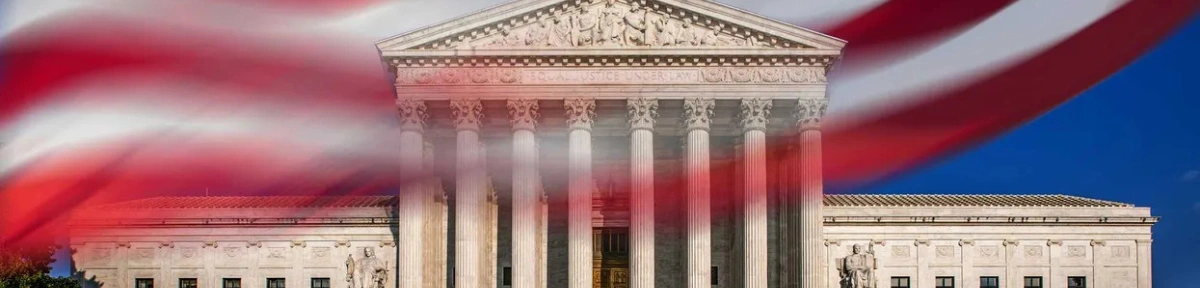
The U.S. Supreme Court has decided to examine the validity of former President Donald Trump’s executive order aiming to terminate birthright citizenship for some children born on American soil, marking a significant escalation of one of the country’s oldest fundamental disputes. The action, which was first reported by CNN, shows that the Court is prepared to re-evaluate a fundamental tenet of American law that has been essentially unaltered for more than 125 years.
The 14th Amendment, how it should be interpreted, and whether a president can unilaterally change who is considered an American citizen are the main points of contention. The ruling could change U.S. immigration policy for centuries as the Court gets ready to hear the case next year.
US Layoffs Rise as Labour Market Softens: ADP Data Shows Weekly Job Cuts Averaging 2,500
A Long-Settled Question Returns to the Forefront
Lower Courts Reject Trump’s Attempt to Rewrite Constitutional Citizenship
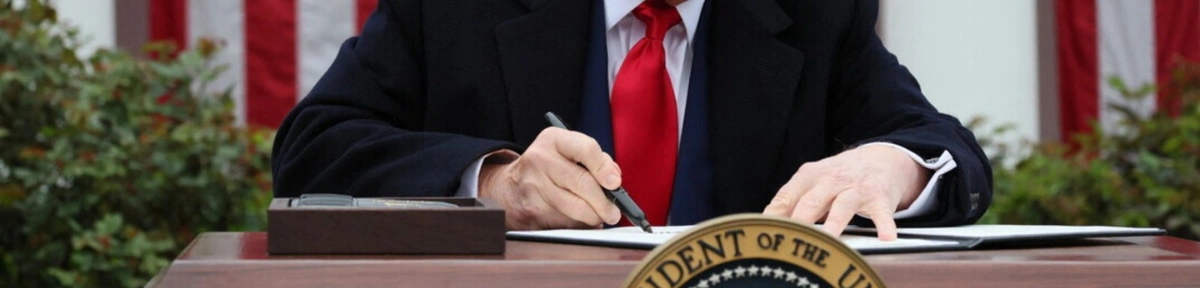
On January 20, Trump issued an executive order directing federal agencies to refuse or postpone citizenship documents, such as passports, Social Security numbers, and Consular Reports of Birth Abroad, for children born in the US to parents who:
- Improperly entered the nation,
- Prolonged temporary visas, or
- were not long-term residents in any other way.
However, the order was quickly halted by federal district and appellate courts nationwide, who declared that it directly conflicted with Supreme Court precedent as well as constitutional text.
This precedent was established in the seminal 1898 decision of United States v. Wong Kim Ark, in which the Court affirmed that almost all children born in the United States are citizens of the United States, irrespective of the immigration status of their parents. Legal experts, judges, and law enforcement organisations have acknowledged this ruling as definitive for over a century.
Judges examining Trump’s executive order concurred that Congress or a constitutional amendment are the only ways to restrict birthright citizenship.
Microsoft and Nvidia Invest Up to $15 Billion in Anthropic: A New Power Shift in the Global AI Race
Why the Supreme Court’s Decision to Intervene Is Monumental
Re-examining the Meaning of the 14th Amendment
The Supreme Court is entering a contentious political discussion that federal courts have historically shied away from by deciding to hear the case. The citizenship clause, which reads, “All persons born or naturalised in the United States, and subject to the jurisdiction thereof, are citizens of the United States,” is at the heart of the disagreement.
This long-standing interpretation, according to Trump’s legal staff, is incorrect. They argue that the clause’s original intent was not to grant automatic citizenship to everyone, but rather to safeguard former slaves and their offspring.
They contend that children born to:
- Unauthorised immigrants.
- Short-term guests.
- Foreign pupils.
- Temporary workers.
should not be granted citizenship by default as their parents are not “subject to the full jurisdiction” of the US.
This restriction is seen by many legal experts as historically incorrect and represents a significant divergence from current immigration policy.
US Economic Data Returns as US Government Reopens: What Investors Need to Know in 2025
The Executive Order: A Policy That Never Took Effect
A Swift Legal Backlash
The goal of Trump’s order was to alter how government organisations determine who is eligible for citizenship documents. However, lower courts concluded that the executive branch lacks the power to reinterpret constitutional rights because the Supreme Court’s decision in Wong Kim Ark is still in effect.
Days after the release of the order:
- Temporary restraining orders were issued.
- Nationwide injunctions followed.
- Immigration advocates challenged the directive.
- Legal scholars warned of constitutional overreach.
Judges proceeded to deny the order on its merits even after a June Supreme Court decision restricted lower courts’ authority to grant wide injunctions.
Consequently, the policy was never implemented, and no kid was denied citizenship as a result of its provisions.
Rare Interstellar Wanderer 3I/ATLAS Set to Dazzle Sky-Watchers Worldwide
What the Supreme Court Will Consider
A Decision That Could Reshape Immigration Law
A final decision is anticipated by late June after the justices hear oral arguments in early 2026. The case’s national significance is increased by the timing, which puts it right in the heart of a contentious political year.
Among the Court’s main queries are:
- Can a president reinterpret constitutional citizenship without Congress?
- Does “subject to the jurisdiction thereof” allow for excluding some children born in the U.S. from citizenship?
- Should the Wong Kim Ark precedent be reaffirmed, revised, or overturned?
- How would changes affect future generations and current administrative processes?
The Court’s decision has the potential to either alter the foundation of American citizenship or strengthen constitutional clarity.
Possible Consequences of a Ruling in Trump’s Favor Millions Could Be Affected
If Trump’s order is upheld by the Supreme Court, the ruling may:
- Every year, thousands of newborns are denied automatic citizenship.
- establish a new class of noncitizen children born in the United States.
- compel families to fight protracted legal battles in order to establish status.
- overwhelm the organisations in charge of confirming parental status.
- erode the long-standing jus soli (right to the soil) premise.
Immigration experts warn that such a change could create widespread uncertainty and potentially lead to statelessness for some children.
Global and Social Implications
Unconditional birthright citizenship is still used in the United States, one of the few developed countries. The United States would be more in line with European and Asian nations that tightened citizenship restrictions during the 20th century if this policy were to be weakened or eliminated.
The ruling may alter discussions at home regarding:
- Enforcement of immigration laws.
- Changes in the population.
- Rights of the family.
- Constitutional interpretation.
- Presidential power.
For decades, the repercussions would be felt.
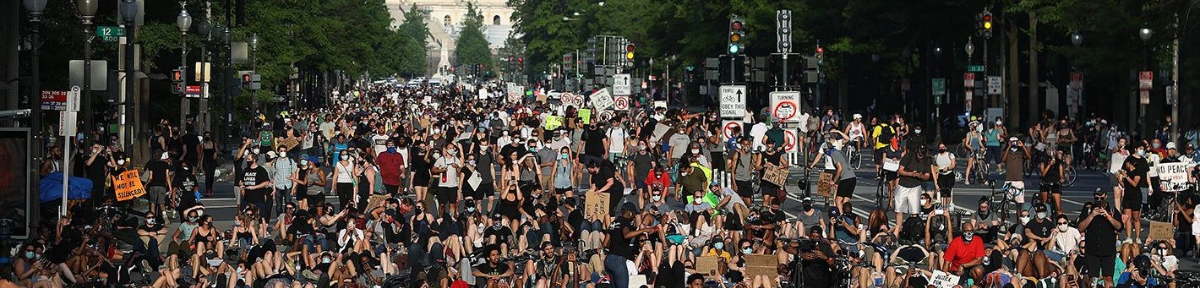
Political Reactions: A Nation Split Down the Middle
Supporters Praise the Move
Trump’s order proponents contend that altering birthright citizenship would:
- Discourage illegal border crossings
- Decrease “birth tourism”
- Make sure citizenship is determined by legal connections rather than geography.
- Restore the 14th Amendment’s “original meaning”
Additionally, they think that this is the appropriate time for reconsideration due to the Court’s current ideological makeup.
Critics Warn of Constitutional Crisis
Opponents argue the policy:
- Conflicts with the clear language of the constitution
- Transgresses Supreme Court precedent
- Compromises American ideals
- Introduces chaotic bureaucracy
- Runs the risk of producing a class of citizens who were born in the nation but are stateless.
The Court is being urged to reject the program in lengthy legal documents prepared by immigration organisations, civil rights organisations, and constitutional scholars.
Blue Origin Launches NASA’s Escapade Mission to Mars: A New Chapter in Commercial Space Exploration
Conclusion: A Defining Constitutional Crossroads
In American legal history, the Supreme Court‘s decision to consider the birthright citizenship challenge represents a watershed. A fundamental aspect of American identity, the 14th Amendment has ensured that anybody born in the United States is a citizen for over a century.
This long-standing agreement is now undergoing its most significant test in many generations.
Future babies’ status, the limits of presidential authority, the judiciary’s jurisdiction, and the definition of American citizenship itself will all depend on the conclusion. One thing is certain while the country waits for the Court’s decision: the case will influence the legal and political climate of the nation for many years to come.