
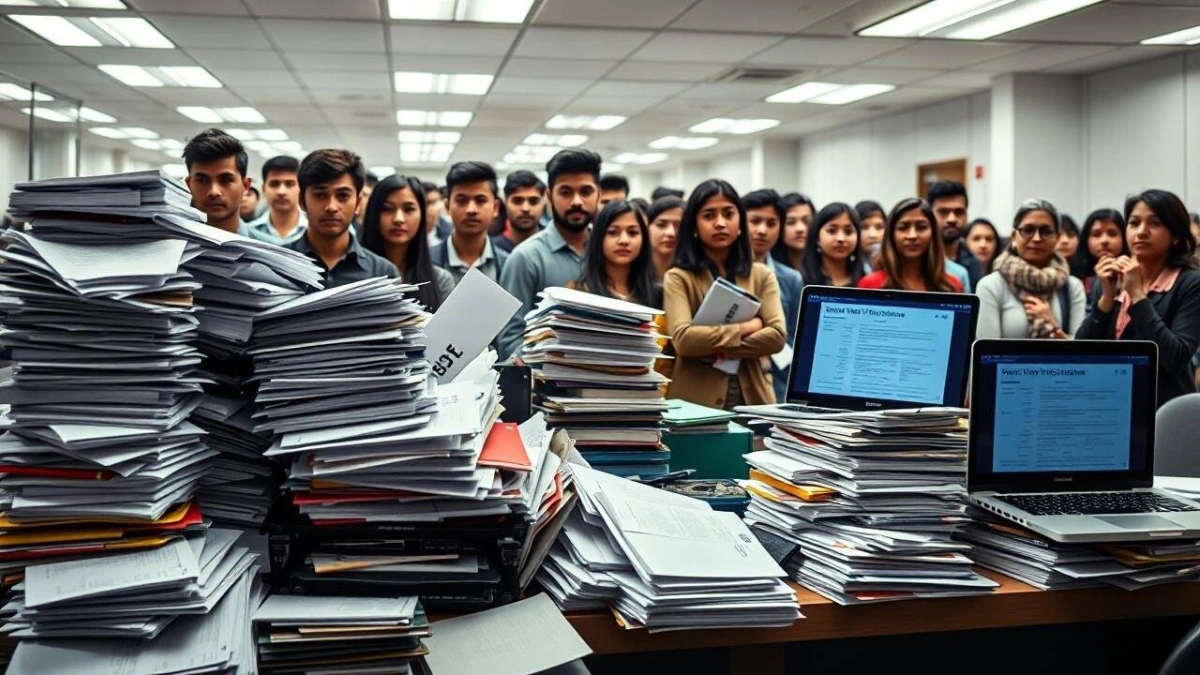
International students have long been a vital component of American higher education, bringing in billions of dollars annually in economic activity while also fostering creativity, research, and cross-cultural interaction. This pipeline appears to be severely strained, though, according to recent immigration data. The most recent statistics state that there were substantially fewer overseas students entering the country in July 2025 than there were the year before.
Analysts and education specialists blame the Trump administration’s tough immigration policies, which have made it more difficult for international students to study and work in the nation, for a large portion of this fall.
Tesla’s $29 Billion Elon Musk Equity Package Sparks New Pay Battle
Declining Student Arrivals: The Numbers Tell the Story

The United States International Trade Administration (ITA) stated that there was a 28.5% decrease in the number of international students entering the United States on visas in July 2025 compared to July 2024, based on data from the Arrival and Departure Information System (ADIS/I-94).
- July 2024 arrivals: 106,993 students
- July 2025 arrivals: 76,519 students
The difficulties faced by overseas students during one of the most important times for arrivals—the summer months before the start of the academic year—are highlighted by this sharp decline. The decline of international students is all the more concerning given that Canada and Mexico are not included in these figures.
U.S. Immigration Crackdown: U.S. Sees First Decline in Immigrant Population in Over 50 Years
Forecast for Fall 2025: Nearly 50% Enrolment Drop

The estimate for new student enrolment is even more worrisome for colleges. According to Forbes, international enrolment at U.S. colleges may plummet by almost 50% by the autumn of 2025, with students from India—historically one of the biggest sources of foreign talent at American universities—suffering the worst fall.
Arrivals in July are not the only ones experiencing a decrease. In comparison to the same period in 2024, international student admissions decreased by 7.7% between January and July 2025. When the school year starts in August and September, experts caution that the full impact will be apparent.
Jerome Powell Warns of Job Market Weakness as Trump’s Tariffs Complicate Fed Policy
Policy Decisions Behind the Decline

The Trump administration’s immigration-related policies are cited by analysts as the main causes of the drop. Important actions consist of:
- Revocation of Student Visas – International students have had their visas abruptly revoked, frequently for minor violations, with little time for an appeal.
- Suspension of Visa Interviews – Prospective students have been deterred from pursuing education in the United States by protracted delays and bureaucratic barriers.
- Threats to Optional Practical Training (OPT) – OPT, which enables international graduates to obtain real-world job experience in their field of study, has been proposed to be discontinued or severely restricted on multiple occasions by the administration.
- Restrictions on Re-entry – To further erode trust in the system, many colleges encouraged students not to travel overseas during vacations for fear of being barred from returning to the United States.
Together, these policies have engendered a climate of fear and uncertainty that has diminished the United States’ appeal to international talent.
Elon Musk’s Twitter Takeover and the Landmark Settlement for Fired Employees
Timing of Arrivals: Why July and August Matter

July and early August are crucial months for the majority of overseas students to go to the United States in order to be ready for the autumn term. Classes at Georgetown, George Washington, George Mason, American University, and the University of Maryland normally begin in late August, while orientation sessions start weeks earlier.
Hence, the decline in July arrivals serves as a precursor of enrolment problems. These days, students who would typically arrive in time to get used to life in the United States are either postponing or cancelling their plans completely.
Trump Administration’s Sweeping Visa Review Raises Alarms Across the U.S.
The Broader Impact on Universities
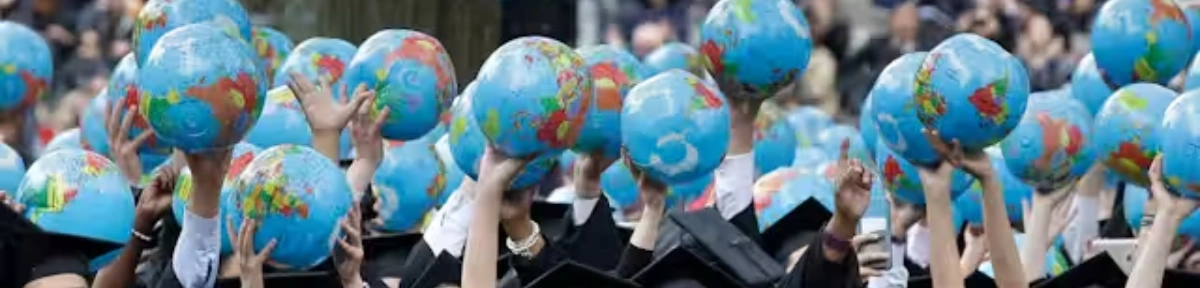
The reduction in foreign enrolment has significant ramifications for American universities and colleges.
- Financial Strain: International students frequently cover the entire cost of tuition, which supports domestic students and institution operations. Billions of dollars in lost revenue could be incurred by institutions if enrolment drops by 50%.
- Research and Innovation: International students make significant contributions to cutting-edge research and innovation, especially in STEM subjects. America’s standing as a world leader in science and technology is under jeopardy due to declining enrollment.
- Campus Diversity: International students contribute global insights to class discussions. There will be less cultural exchange and a lower quality of education for all students if there are fewer international students.
U.S. Small Businesses Struggle for Survival Amid Trump’s Tariff Storm
Why Students Are Looking Elsewhere

Compared to earlier times, international students now have more options. Actively promoting themselves as hospitable alternatives, nations like Canada, the UK, and Australia provide more lenient visa regulations as well as more transparent employment and permanent residency options.
Trump’s administration, on the other hand, has been seen as antagonistic to immigrants. Many prospective candidates have been turned off by the administration’s immigration rhetoric and the State Department’s strict visa enforcement. Following their forced departure from the nation for purported transgressions without due process, some students have even become the target of lawsuits.
USCIS Leadership and Policy Goals

U.S. Citizenship and Immigration Services (USCIS) head Joseph Edlow, who was recently appointed, has hinted at additional restrictions on student immigration. His suggestions consist of:
- Eliminating OPT: Edlow has publicly advocated for banning post-graduation job experience for foreign students, a move that may significantly diminish the allure of studying in the United States.
- Changing the H-1B Lottery: International graduates of U.S. universities may be disadvantaged by changes to the H-1B visa program, which permits skilled professionals to stay in the country.
If such policies are put into place, they would stop what many economists refer to as the “talent pipeline,” which is a route that brings foreign students into the American workforce and fosters entrepreneurship and creativity.
Trump Administration Eyes Intel Nationalization in New ‘Manhattan Project’ for Chips
Lawsuits and Legal Pushback

A few of these policies have previously been challenged in court. International students and academic institutions contend that abrupt cancellations of visas and forced expulsion are in violation of due process and fairness standards. Lawsuits demonstrate the harsh treatment of small offences and the lack of defensive opportunities afforded to pupils.
This legal ambiguity contributes to the idea that higher education in the United States is no longer a secure or trustworthy option.
Sam Altman on OpenAI’s Future: Why He May Not Be the Right CEO if OpenAI Goes Public
The Economic and Strategic Risks

International student decrease is a strategic and economic problem, not just an educational one. Tuition, living expenditures, and associated spending by international students are estimated to contribute more than $40 billion to the U.S. economy each year. They contribute to America’s soft power, which goes beyond economy and fosters enduring relationships and international goodwill.
Reducing them runs the danger of compromising American diplomatic influence and competitiveness. The U.S. may lose ground in the global competition for talent if rivals like Canada and the U.K. draw more students.
Bitcoin Smashes Records, Hits $124,500 Amid Policy Support and Institutional Buying
Looking Ahead: Uncertain Future for International Education

American universities are preparing for an unprecedented drop in overseas enrolment as Fall 2025 draws near. Some universities might be able to withstand the storm, but others might have severe financial difficulties, especially smaller or mid-tier universities that depend significantly on tuition from outside.
The more general query is whether American officials will see the importance of foreign students before the harm is irreversible. Reversing restrictive laws and making a clear statement that the United States is still open to talent from across the world are both necessary to rebuild trust.
Trump Declares Himself “President of Peace” After Claiming to End Multiple Global Wars
Conclusion
The dramatic decline in international student arrivals in July 2025 is indicative of more than a passing trend; rather, it points to a more serious decline in the US’s reputation as a top worldwide education destination. The trend threatens to change American higher education and erode the country’s long-term economic and strategic advantages. It is being driven by hostile attitudes towards programs like OPT, stringent immigration laws, and visa uncertainty.
If remedial measures are not implemented, the United States may lose its standing as the world’s top destination for international students and lose ground to more hospitable rivals overseas.