
How battlefield dynamics changed after Russia’s loss of satellite communications
How battlefield dynamics changed after Russia’s loss of satellite communications
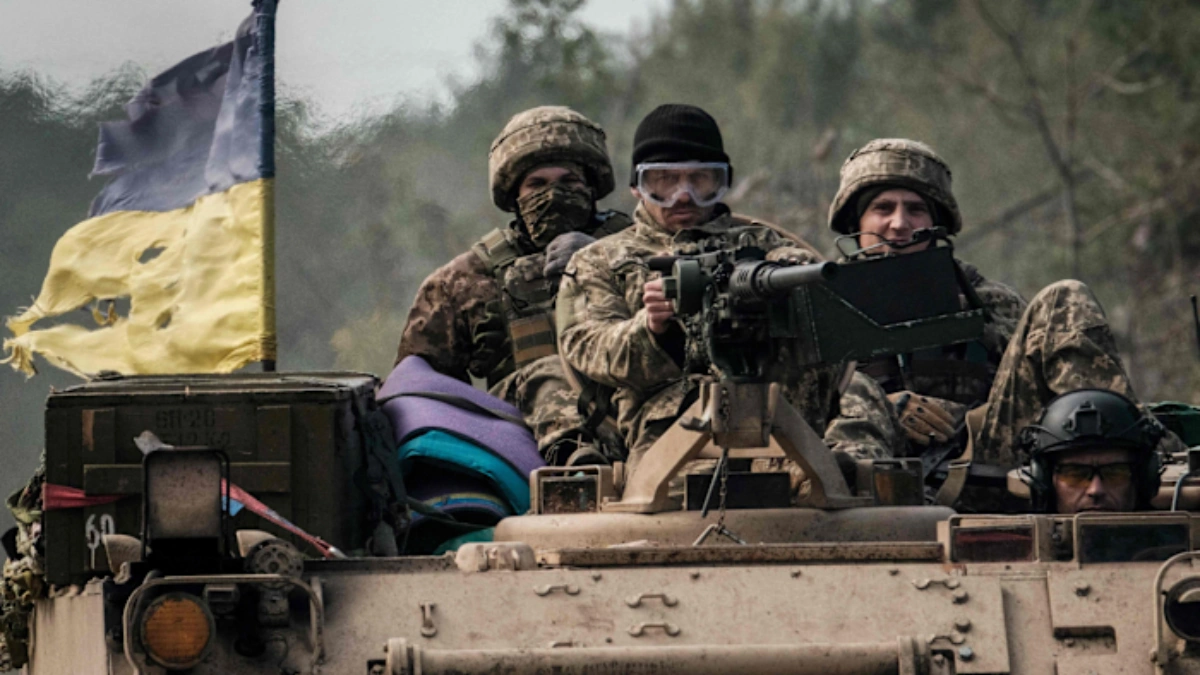
In the latest phase of the ongoing Russo-Ukrainian war, Ukrainian forces have initiated a localized counter-offensive on the eastern front—only days after Russian troops were denied access to Starlink satellite internet services that they had previously relied on for battlefield communication. The situation exposes not just the evolving tactics of modern warfare but the critical role of high-tech communications in determining battlefield success.
Background: The Importance of Starlink in Modern Warfare
Since the full-scale invasion began in February 2022, satellite communications — especially SpaceX’s Starlink system — have played an outsized role in Ukraine’s war effort. Starlink terminals supplied to Ukraine by SpaceX and Western partners provided robust internet connectivity in areas where terrestrial networks were destroyed or unreliable, enabling secure coordination, real-time surveillance, drone operations, and command-and-control functions.
Ukrainian commanders frequently credited Starlink with keeping frontline units connected and coordinated, while analysts noted that reliable communications can often be the difference between success and failure in modern mechanized warfare. Interruptions to such systems were long feared because they could disrupt the ability of units to share intelligence, direct strikes, and rotate forces effectively.
However, Starlink’s significance was not limited to just the Ukrainian side. Russian units — often operating in areas lacking solid infrastructure — also managed to procure Western satellite terminals, some through unofficial or “gray market” channels. These systems became a key albeit informal communications lifeline that Russian forces used in their own operations against Ukraine.
The Blackout: Russia Loses Starlink Access

In early February 2026, SpaceX implemented new restrictions on Starlink connectivity within Ukraine’s borders. The system was reconfigured so that only terminals registered and approved by Ukrainian authorities could access the satellite network. This “whitelisting” measure effectively cut off thousands of previously illicitly operated Russian Starlink terminals that had been aiding Russian frontline communications and drone coordination.
The blackout had immediate repercussions. Multiple reports indicated that Russian troops encountered severe disruption of command and control capabilities near frontline sectors. Senior Ukrainian defense officials described the effects as a near-collapse of Russian communicative synchronization, causing temporary halts in coordinated assaults.
In addition to Starlink, communications over Telegram — widely used by Russian forces for coordination — also reportedly suffered disruptions. Loss of both satellite and messaging communication channels compounded Russian ability to operate effectively.
Ukraine’s Response: A Tactical Counter-Offensive
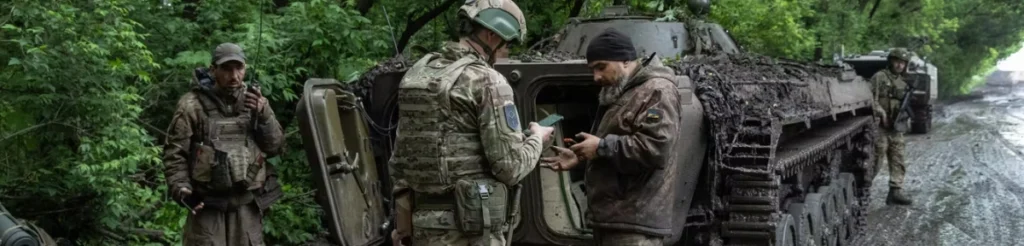
Seizing this window of vulnerability, Ukrainian military planners launched a series of localized counterattacks along the eastern front, particularly near the administrative border between Dnipropetrovsk and Zaporizhzhia oblasts. Analysts viewed these strikes as tactical maneuverings aimed at exploiting the communication breakdown among Russian units.
These counter-attacks are not described as a monumental strategic breakthrough but rather as opportunistic operations meant to reinforce Ukrainian positions, reconnect segmented frontline units, and destabilize disjointed Russian commands.
Geolocated footage and independent assessments suggest Ukrainian forces are active around areas like Dobropillia and Varvarivka, pressing against Russian lines while Moscow’s units struggle to maintain cohesion.
A Western defense analysis echoed this dynamic, noting that Russian ground operations were being hampered by the loss of Starlink connectivity, leaving Ukrainian troops with a short-lived yet significant tactical advantage.
Why Starlink Matters on the Battlefield
Communication networks have always been fundamental to warfare, but the conflict in Ukraine has underscored just how vital digital connectivity has become. Systems like Starlink provide:
- Real-time coordination between units
- Drone datalinks for ISR (Intelligence, Surveillance, Reconnaissance)
- Secure command channels immune to traditional disruptions
- Remote control of precision weapons and surveillance assets
When such a system is suddenly unavailable — especially in contested regions — forces can quickly find themselves unable to efficiently direct boots on the ground, adjust artillery fire, or redeploy units in response to counterattacks.
For Russian forces that had grown dependent on the broad availability of Starlink, the cutoff was not just a technical hindrance — it was reportedly a command-and-control crisis, forcing units to revert to slower, less capable communication methods like ad-hoc radio networks.
Tactical Results vs. Strategic Outcomes
Although the recent Ukrainian counter-offensive appears promising in the near term, analysts urge caution in interpreting these developments as a decisive turn of the war. The current counterattacks are described as localized and tailored to capitalize on Russian disarray rather than as a broad—scale offensive aimed at reclaiming vast swaths of territory.
The slow nature of trench and attritional warfare in Eastern Ukraine means that frontlines are often fluid and subject to small local gains and losses, even when larger strategic conditions remain unchanged. A temporary advantage in communications does not automatically translate into long-term territorial changes, especially in heavily fortified theaters like Donbas and Zaporizhzhia.
Nonetheless, breaking a bout of Russian operational momentum and forcing enemy troops to react defensively is itself a notable outcome. It highlights a period where initiative on the battlefield momentarily favored Kyiv’s forces, a dynamic that could have ripple effects for morale, logistics, and further military planning.
Implications for the Broader Conflict

The situation points to several broader implications:
1. Technology as a Force Multiplier
Modern warfare emphasizes not just firepower but information and connectivity. Satellite networks like Starlink have become integrated into military doctrine as essential infrastructure. Their disruption — as seen here — underscores vulnerabilities for both sides.
2. Dependency vs. Resilience
Both Ukraine and Russia have shown that dependency on external technologies can present risks. While Ukrainian forces have successfully adapted and integrated new systems, Russia’s reliance on unauthorized access to those same systems revealed a structural weakness that Kyiv’s defense apparatus exploited.
3. Psychological Impact
Russian military blogs and pro-war analysts have openly discussed the panic and confusion among troops following the Starlink blackout. This represents a psychological layer of warfare where the perception of technological superiority or inferiority can influence troop confidence.
4. Strategic Messaging
The blackout also sends a message about Western control over critical infrastructure. It demonstrates how private tech entities can significantly influence geopolitical outcomes — a factor that could shape future defense policies and alliances.
Conclusion: A Momentary Edge With Long-Term Questions
Ukraine’s recent counter-offensive, catalyzed by a sudden Russian communications blackout, reveals much about the current state of high-tech warfare. It highlights both Kyiv’s ability to exploit adversary weaknesses and the strategic significance of secure, reliable communications systems in modern conflict.
While it remains uncertain whether these localized gains will scale into a broader offensive, the episodes underscore that battles of the future are increasingly fought not only with tanks and artillery but with bits, satellites, and networks that link the battlefield in real time.
As both sides adapt to these realities, the interplay between technology and tactics will continue to shape how the war progresses — with consequences reaching far beyond the immediate front lines.