
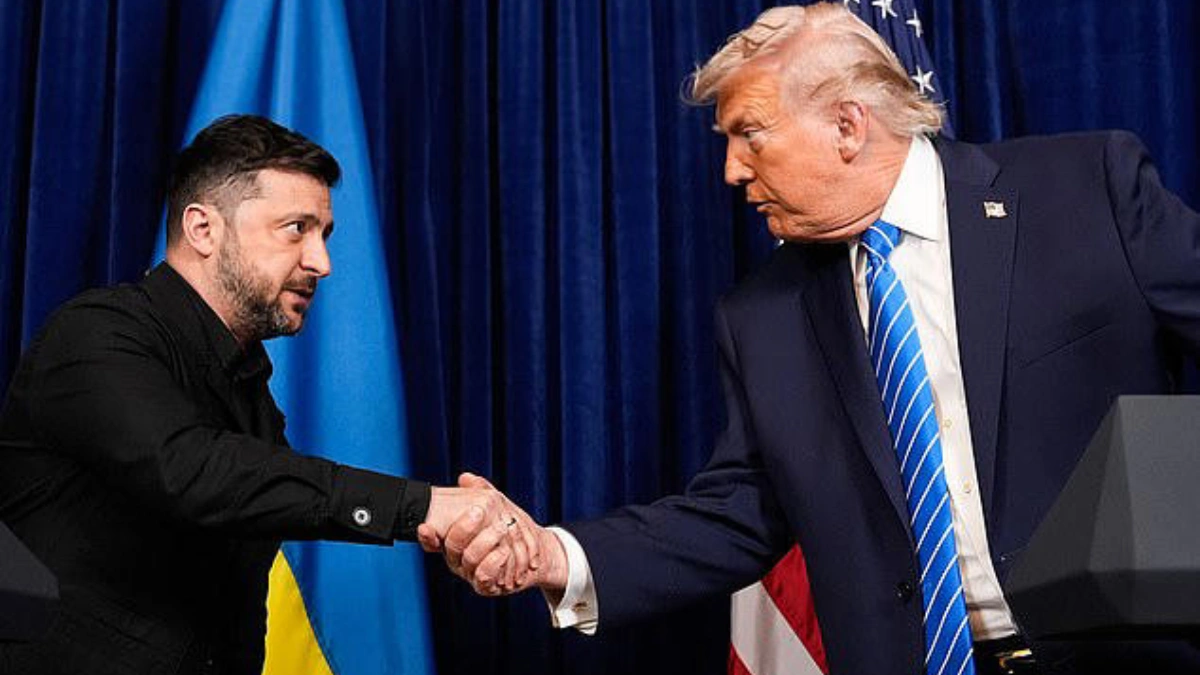
The fragile hope for a negotiated pause in the Russia–Ukraine war suffered another setback after reported peace talks collapsed within just two hours. Ukrainian President Volodymyr Zelensky publicly criticized calls for Kyiv to make concessions, describing such pressure as “unfair,” particularly in response to remarks attributed to former U.S. President Donald Trump suggesting Ukraine should consider compromise to end the conflict.
The development highlights the deep divisions that continue to block diplomatic progress nearly three years into the war. It also underscores how geopolitics, domestic politics in the United States, and battlefield realities are tightly intertwined in shaping the prospects for peace.
The Breakdown of the Talks
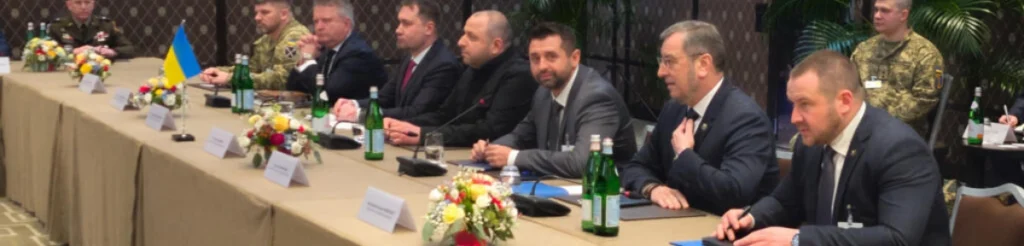
According to officials familiar with the discussions, the latest round of peace contacts—described by diplomats as exploratory rather than formal negotiations—ended abruptly after just two hours. Sources indicated that key disagreements resurfaced almost immediately, particularly around territorial control, security guarantees, and the sequencing of any ceasefire.
Ukrainian representatives reportedly reiterated their long-standing position: any meaningful peace process must begin with Russia withdrawing from occupied territories, including areas seized since the full-scale invasion began in February 2022. Russian negotiators, however, have consistently pushed for recognition of “new territorial realities,” a phrase Moscow uses to refer to annexed regions.
The gap proved too wide.
Within hours, the talks were effectively declared stalled, with no follow-up meeting scheduled. Diplomats privately acknowledged that expectations had been low from the start, but the speed of the collapse still disappointed observers hoping for at least incremental progress.
Zelensky’s Sharp Response
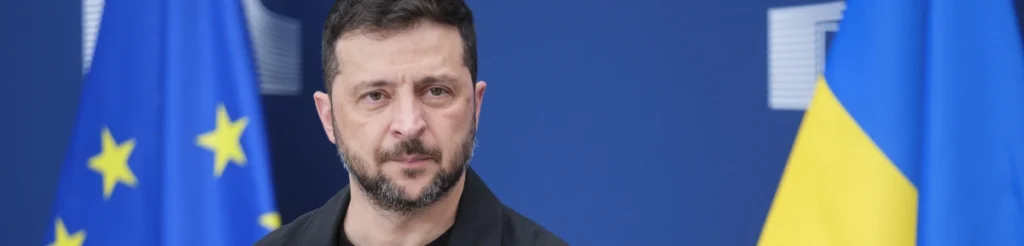
President Zelensky did not hide his frustration. Speaking after the talks, he emphasized that Ukraine cannot be expected to trade away sovereignty under pressure.
“It is unfair to ask Ukraine to compromise when our people are the ones under attack,” Zelensky said, according to official statements. He argued that calls for concessions risk rewarding aggression and setting a dangerous global precedent.
Zelensky’s comments were widely interpreted as a response to recent remarks by Donald Trump, who has repeatedly claimed he could end the war quickly through negotiation and has suggested Ukraine may need to make territorial compromises.
For Kyiv, such proposals strike at the core of its war aims.
Trump’s Position and Its Impact

Donald Trump has made ending the Ukraine war a recurring talking point, especially in the context of U.S. domestic politics. He has argued that continued military aid prolongs the conflict and that a negotiated settlement—even one involving concessions—would save lives.
Trump’s supporters frame this as pragmatic realism. Critics, including many in Ukraine and Europe, see it as dangerously naive and potentially favorable to Moscow.
The political weight of Trump’s comments matters. As a former U.S. president and a major figure in American politics, his views influence public debate about future U.S. support for Ukraine. Kyiv is acutely aware that American military and financial backing remains essential to its defense strategy.
Zelensky’s pushback therefore serves two audiences: Russia, and Washington.
Why Compromise Is So Difficult

The fundamental obstacle to peace remains unchanged: the two sides define “compromise” in completely different ways.
For Ukraine, compromise might mean:
- Security guarantees from Western partners
- Phased negotiations after a ceasefire
- Potential discussions on disputed areas under international frameworks
But Ukraine has repeatedly ruled out formally recognizing Russian control over occupied territories.
For Russia, however, compromise often implies:
- Acceptance of its annexations
- Ukrainian neutrality or limits on NATO ties
- Sanctions relief
These positions are not merely far apart—they are structurally incompatible under current conditions.
Battlefield Reality Still Matters
Diplomacy rarely moves independently of military dynamics. On the ground, the war remains largely a grinding stalemate punctuated by localized offensives.
Ukraine continues to rely heavily on Western weapons, air defense systems, and financial aid. Russia, meanwhile, has shifted to a long-war footing, ramping up defense production and leveraging its larger manpower reserves.
Neither side currently appears to believe it is losing decisively enough to justify major concessions. That perception significantly reduces the chances of successful negotiations.
Historically, wars tend to move toward serious peace talks only when:
- One side suffers a clear military setback, or
- Both sides reach mutual exhaustion and stalemate recognition
While the conflict is costly for both countries, neither condition has fully materialized.
The U.S. Election Factor

Another major variable is the U.S. political calendar. With American elections approaching, Ukraine policy has become more politically contested in Washington.
If U.S. support were to weaken significantly—something Kyiv fears could happen under a different administration—Ukraine’s negotiating position could shift. Conversely, continued or expanded support would strengthen Zelensky’s resolve to hold firm.
European allies are watching closely. Many governments worry that uncertainty in Washington could embolden Moscow or complicate long-term planning for Ukraine’s defense.
This geopolitical uncertainty makes near-term peace even harder.
Europe’s Position
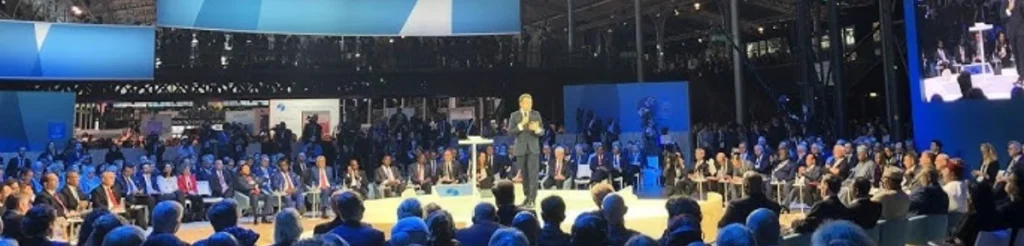
European leaders have largely backed Zelensky’s stance that any peace must respect Ukraine’s territorial integrity. Countries such as Germany, France, and Poland have repeatedly emphasized that Kyiv should determine the terms of any settlement.
However, behind closed doors, some European policymakers are increasingly concerned about war fatigue, economic strain, and the sustainability of long-term support.
Public opinion across Europe shows growing complexity:
- Strong sympathy for Ukraine remains
- But concerns about costs and escalation are rising
- Energy and economic pressures continue to shape domestic politics
This creates a delicate balancing act for Western governments.
What Happens Next?
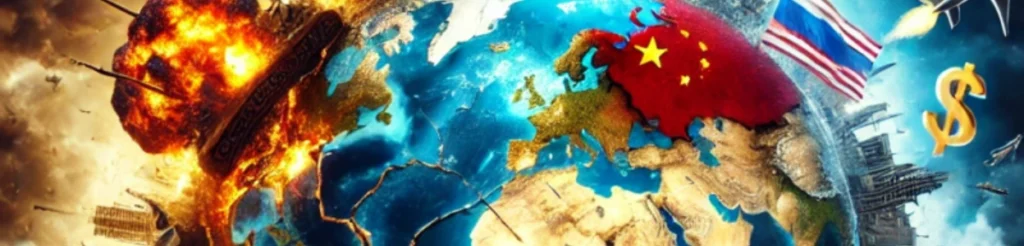
In the immediate term, few analysts expect a breakthrough. The rapid collapse of the latest talks reinforces a broader pattern seen throughout the conflict: exploratory diplomacy continues, but the political conditions for real compromise are absent.
Possible near-term scenarios include:
1. Continued Military Stalemate
The most likely path is a prolonged war of attrition with periodic diplomatic feelers that go nowhere.
2. Incremental Confidence-Building Steps
Limited agreements—such as prisoner exchanges or humanitarian corridors—could still occur even without a full peace deal.
3. Political Shock Scenario
A major battlefield shift or change in U.S. policy could suddenly reshape the negotiating landscape.
For now, however, momentum toward peace appears weak.
The Broader Global Implications
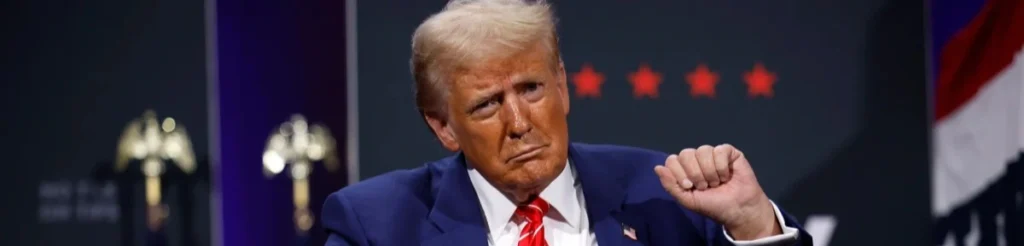
The stakes extend far beyond Ukraine. The outcome of this war—and the terms under which it eventually ends—will shape global norms around territorial sovereignty, military aggression, and alliance credibility.
Zelensky’s warning about the dangers of forced compromise reflects a widely shared concern among smaller nations: if borders can be changed by force and later legitimized through negotiation pressure, the international system itself could weaken.
At the same time, proponents of faster negotiations argue that prolonged war carries its own global risks, including economic instability, food security pressures, and the possibility of escalation between nuclear powers.
This tension defines the current diplomatic deadlock.
Conclusion
The swift collapse of the latest peace talks underscores a hard truth: despite growing international fatigue, the Russia–Ukraine war remains far from a negotiated settlement. Zelensky’s rejection of calls for compromise reflects Kyiv’s determination to avoid any outcome that appears to reward aggression, while voices like Trump’s highlight a competing push for rapid deal-making.
Until battlefield realities shift or political incentives change dramatically, meaningful peace negotiations are likely to remain elusive. For Ukraine, the message is clear: survival and sovereignty come first. For the world, the conflict continues to test the limits of diplomacy in an era of renewed great-power rivalry.
The talks may have lasted only two hours—but the war, and the debate over how to end it, is far from over.