
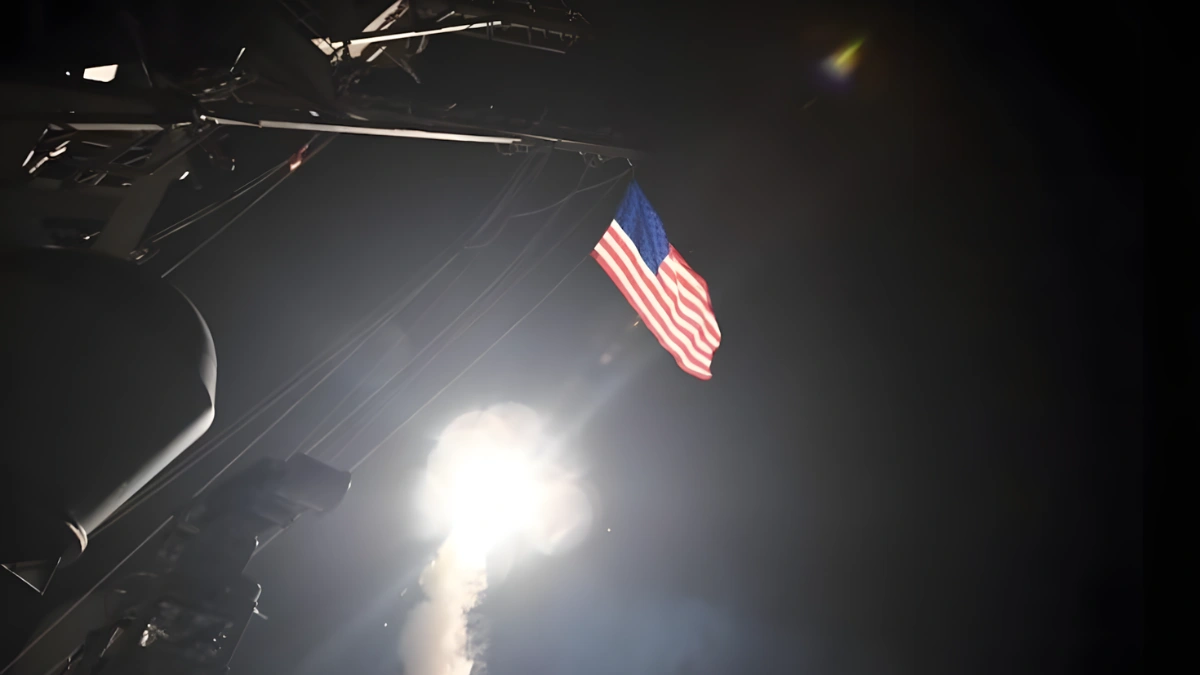
The geopolitical tensions between the United States and Iran have entered a dangerous new phase, with Washington responding aggressively to Iranian escalation in the Gulf. As military activity intensifies, global markets are reacting sharply, oil prices are surging, and Russia appears to be quietly benefiting from the crisis. The developments are not only reshaping regional security but also influencing global economic stability, energy markets, and diplomatic alliances.
This evening brief breaks down the latest developments, analyzes the implications, and explains why Russia may be emerging as a quiet beneficiary of the escalating conflict.
US Hits Back After Iran Escalation
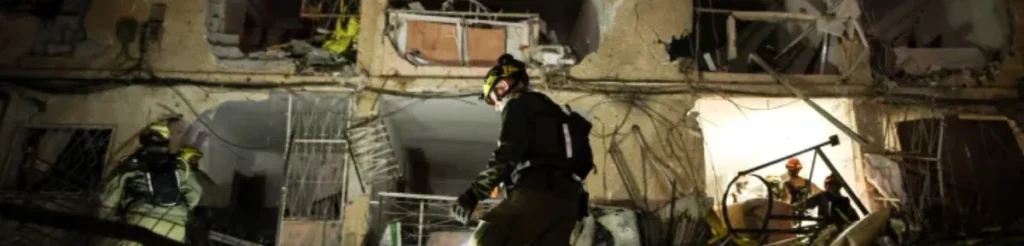
The United States launched retaliatory measures following Iran’s aggressive actions in key strategic locations. Tensions rose after Iran intensified pressure on global shipping routes and energy infrastructure, particularly near the Strait of Hormuz — a vital artery for global oil supply.
Oil markets reacted immediately. Brent crude surged close to $117 per barrel as threats against Iranian energy infrastructure increased, raising fears of prolonged supply disruptions. Analysts warned that continued escalation could significantly impact global inflation and economic stability.
At the same time, global markets showed mixed reactions. European markets remained relatively stable while Asian markets saw declines amid uncertainty. Central banks began reassessing monetary policies as energy prices climbed.
Strait of Hormuz: The Global Pressure Point
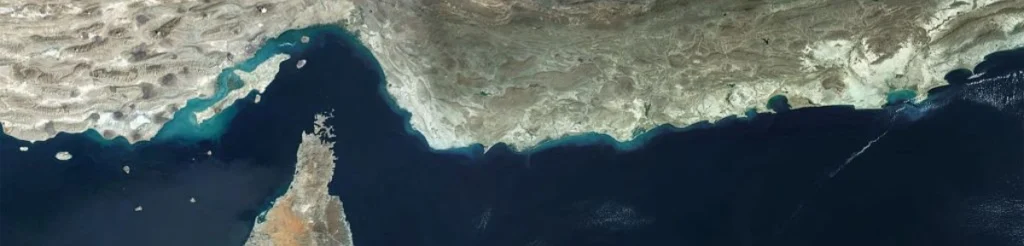
The Strait of Hormuz remains at the center of the crisis. Nearly 20% of the world’s oil supply flows through this narrow waterway, making any disruption extremely impactful.
Recent developments have caused supply disruptions, shipping delays, and price volatility. Oil prices surged nearly 60% in March as tensions escalated, highlighting the fragility of global energy supply chains.
Countries dependent on Middle Eastern oil, particularly in Asia and Europe, are feeling the pressure. Shipping companies are rerouting vessels, increasing costs and transit times.
Russia Quietly Cashes In

While the United States and Iran remain locked in confrontation, Russia appears to be benefiting economically.
Demand for Russian oil and gas has risen significantly amid disruptions in Middle Eastern supply chains. Countries scrambling for alternatives are turning to Russian energy exports, strengthening Moscow’s economic position.
Additionally, market instability triggered by the Iran conflict could reverse previous declines in Russian oil revenues caused by sanctions and falling prices. Rising oil prices naturally boost Russia’s income, even without increased production.
This dynamic creates a paradox: geopolitical instability aimed at weakening adversaries may instead strengthen Russia economically.
Military Escalation and Strategic Calculations
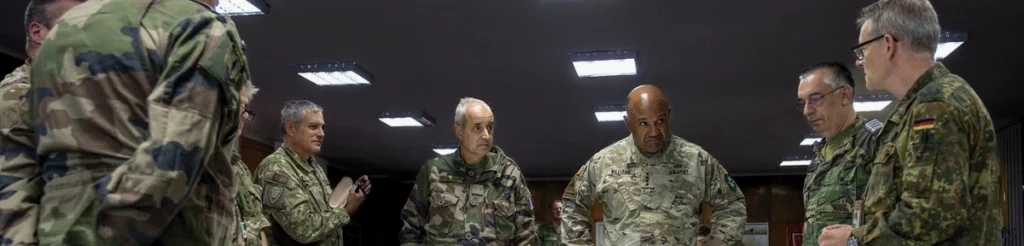
Iran has accused the United States of preparing further military action, including possible ground operations. Tehran warned it is ready to respond forcefully if the situation escalates further.
Meanwhile, Washington has signaled willingness to intensify pressure if Iran does not change course. This includes threats to key infrastructure and strategic assets.
The military standoff has created a dangerous cycle:
- Iran escalates
- US retaliates
- Markets react
- Russia benefits
Economic Fallout Across the Globe
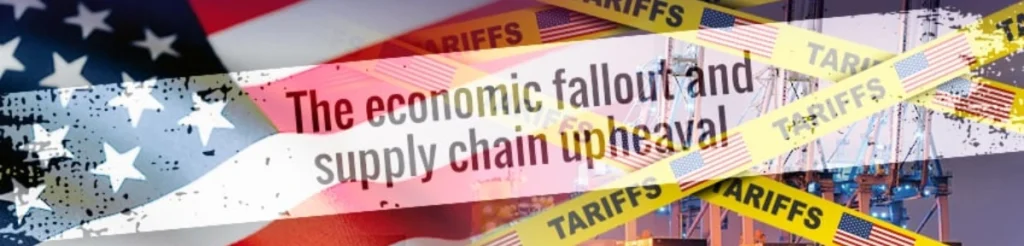
The economic consequences are already being felt worldwide.
Key impacts include:
- Rising fuel prices
- Increased inflation risks
- Market volatility
- Shipping disruptions
- Supply chain delays
Global economies may experience slower growth and higher inflation if tensions persist. Analysts warn that prolonged conflict could impact industries ranging from transportation to manufacturing.
Energy Markets on Edge
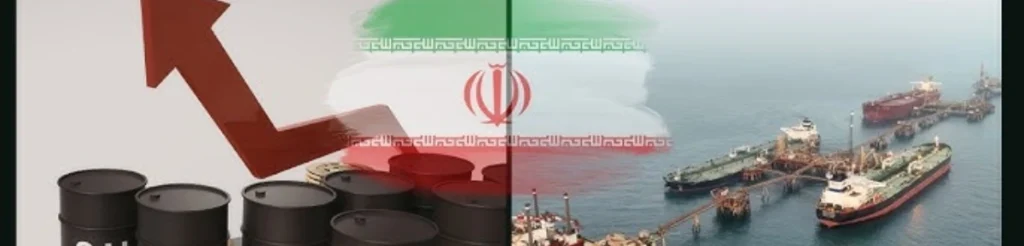
Energy markets are especially sensitive to the conflict. The Gulf region supplies a significant portion of global oil and gas.
When instability threatens production or shipping:
- Prices spike
- Investors panic
- Governments intervene
The current situation reflects all three trends.
Oil traders remain cautious, expecting continued volatility until the conflict stabilizes.
Diplomatic Efforts Continue

Despite rising tensions, diplomatic efforts remain underway.
Negotiations between the US and Iran have been discussed, though both sides remain skeptical. Iran has demanded guarantees, while Washington continues applying pressure.
This delicate diplomatic balance creates uncertainty about the next phase of the conflict.
Why Russia Benefits the Most

Russia benefits in several ways:
1. Higher Oil Prices
Higher oil prices boost Russian revenue.
2. Increased Demand
Countries seek alternatives to Middle Eastern oil.
3. Reduced Sanctions Pressure
Global energy shortages force nations to reconsider restrictions.
4. Strategic Leverage
Russia gains diplomatic influence as energy demand increases.
This combination creates a favorable environment for Moscow.
Global Security Implications
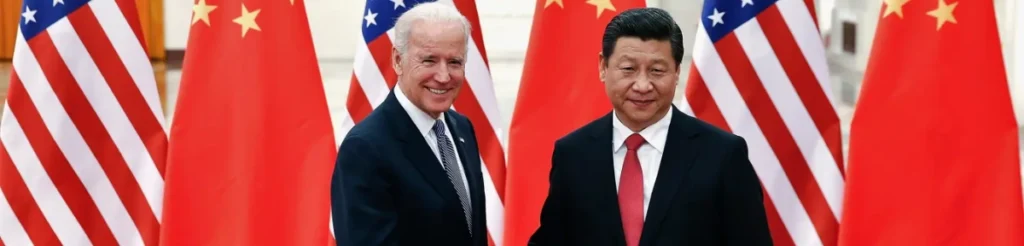
The escalation raises broader security concerns:
- Regional war risk
- Shipping disruptions
- Energy shortages
- Economic instability
Governments worldwide are closely monitoring developments.
Markets to Watch

Investors are monitoring:
- Oil prices
- Stock markets
- Currency movements
- Shipping rates
These indicators will signal the conflict’s direction.
Final Analysis
The US response to Iran escalation marks a turning point in the crisis. While tensions rise, Russia quietly benefits from higher energy demand and rising prices.
The situation remains fluid, with diplomacy, markets, and military developments shaping the outcome.
The coming days will be critical in determining whether tensions ease or escalate further.
Conclusion
The US-Iran confrontation has quickly evolved into a global economic and geopolitical crisis. While Washington hits back hard, Russia appears to be quietly capitalizing on the chaos.
Energy markets remain volatile, diplomatic efforts continue, and the world watches closely.
One thing is clear: the stakes have never been higher.