
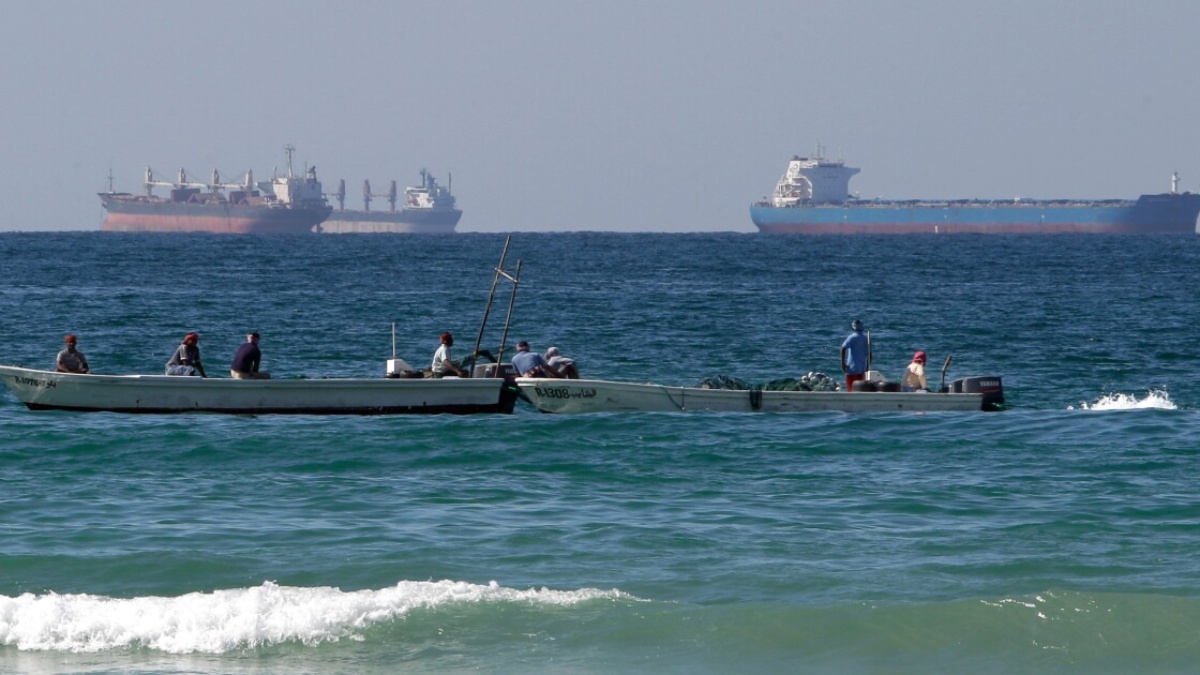
The already volatile geopolitical landscape of the Middle East entered a new phase of escalation after the United States launched strikes against Iranian naval vessels suspected of laying sea mines near the strategically crucial Strait of Hormuz. The operation, announced by the United States Central Command (CENTCOM), reportedly destroyed 16 Iranian minelayer boats and sent a strong warning to Tehran: any attempt to block the strait would trigger further military action.
The strikes mark a dramatic development in the ongoing conflict between the United States and Iran and highlight the global stakes surrounding the narrow waterway that handles a large share of the world’s oil shipments. As tensions rise, the situation in the Persian Gulf has become a focal point for international security, global energy markets, and diplomatic relations.
A Critical Waterway Under Threat
The Strait of Hormuz is widely regarded as one of the world’s most important maritime chokepoints. Located between Iran and Oman, the narrow passage connects the Persian Gulf to the Gulf of Oman and ultimately the Arabian Sea. Approximately 20% of global oil consumption passes through this strait every day, making it a lifeline for global energy markets.
Because of its strategic importance, any threat to navigation in the strait quickly reverberates across global markets and geopolitics. Even the possibility of disruption can cause oil prices to spike, shipping routes to shift, and military forces to mobilize.
In recent weeks, intelligence reports suggested that Iran might deploy naval mines in the waterway to disrupt shipping traffic in response to escalating military tensions with the United States and its allies. Naval mines are among the most dangerous tools for maritime warfare because they can disable or sink vessels without direct confrontation.
Washington quickly signaled that such actions would not be tolerated.
The U.S. Military Response

According to United States Central Command, U.S. forces launched targeted strikes on Iranian boats capable of deploying sea mines. Officials said 16 minelayer vessels were destroyed during the operation.
Footage released by the U.S. military reportedly showed precision strikes hitting multiple vessels anchored near the strait. Most of the targeted boats appeared to be small craft that could carry several naval mines each.
The operation forms part of a broader effort by the United States to prevent Iran from disrupting maritime traffic in the region. American military planners view naval mines as a serious threat because they can be deployed quickly and are difficult to detect and neutralize.
During the 1980s Iran-Iraq war, a single Iranian mine nearly sank the U.S. Navy frigate USS Samuel B. Roberts, illustrating how devastating such weapons can be.
By eliminating suspected minelayers before mines were deployed, U.S. forces aimed to neutralize the threat at its source.
Washington’s Warning to Tehran

The strikes were accompanied by a stern warning from Donald Trump, who declared that Iran must remove any mines placed in the waterway immediately or face severe consequences.
Trump warned that if Iran attempted to block the strait, it would trigger a military response “at a level never seen before.” The statement underscores Washington’s long-standing position that freedom of navigation in the Persian Gulf is a vital national and global interest.
U.S. defense officials echoed the message, emphasizing that any attempt to restrict shipping through the strait would threaten international trade and energy supplies.
At the same time, American military leaders insisted that the strikes were defensive in nature and aimed solely at preventing disruption to global commerce.
Iran’s Response and Regional Tensions

Iranian officials have rejected U.S. accusations and warned that they could retaliate against foreign military forces operating in the region. Iranian military leaders have repeatedly stated that if Iran’s oil exports are blocked, they could respond by preventing other countries from exporting oil through the Gulf.
Iran’s naval strategy relies heavily on asymmetric tactics, including:
- Fast attack boats
- Naval mines
- Anti-ship missiles
- Drone strikes
These capabilities allow Iran to threaten shipping lanes even without matching the conventional naval power of the United States.
According to Iranian officials, missiles and submarines could be used to challenge U.S. forces if hostilities escalate.
The confrontation therefore represents not just a military clash but also a strategic contest over control of one of the world’s most critical energy routes.
Impact on Global Energy Markets

The escalating tensions have already begun affecting global energy markets. Shipping activity in the Strait of Hormuz has slowed dramatically as insurance costs rise and shipping companies reassess the safety of the route.
Industry experts warn that even a temporary closure of the strait could trigger severe economic consequences.
Nearly one-quarter of global seaborne oil trade passes through the corridor, along with large quantities of liquefied natural gas and other commodities.
If shipping traffic is disrupted, oil prices could surge dramatically, potentially fueling inflation and economic instability worldwide.
Major energy exporters such as Saudi Arabia and the United Arab Emirates rely heavily on the strait to transport oil to global markets. Any prolonged conflict could force them to reroute shipments through alternative pipelines or shipping lanes.
The Military Balance in the Gulf
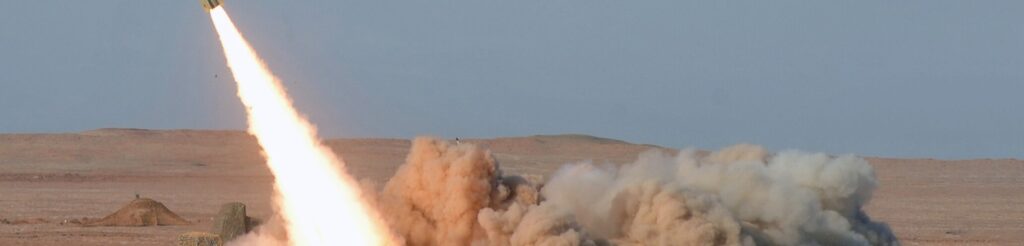
Despite the threat posed by Iranian naval tactics, the United States maintains overwhelming military capabilities in the region.
The U.S. Navy’s Fifth Fleet, based in Bahrain, operates aircraft carriers, destroyers, submarines, and surveillance systems capable of monitoring and responding to threats throughout the Persian Gulf.
American forces have also conducted thousands of strikes against Iranian military targets since the conflict escalated earlier this year.
However, military analysts caution that securing the strait is far from simple.
Naval mines are difficult to detect and remove, and even a few deployed mines could halt commercial shipping until the area is cleared. Experts warn that a large-scale mining campaign could take weeks or months to fully neutralize.
Shipping and Security Challenges
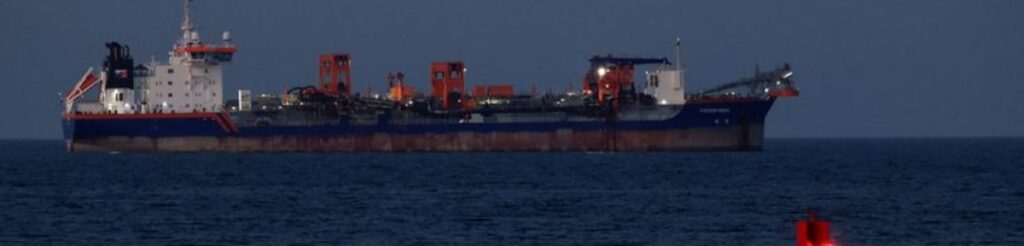
The shipping industry is increasingly concerned about the risks associated with operating in the Persian Gulf.
In fact, the U.S. Navy has reportedly told shipping companies that providing military escorts for commercial vessels is currently too dangerous due to the risk of attacks.
As a result:
- Many tankers are delaying voyages
- Some vessels are rerouting cargo
- Insurance costs for shipping have surged
The uncertainty surrounding maritime security is already disrupting global supply chains and energy logistics.
A Dangerous Escalation
The destruction of Iranian minelayers marks one of the most direct confrontations between the United States and Iran in recent years. While Washington insists the operation was necessary to protect freedom of navigation, Tehran views the strikes as part of a broader campaign against its military capabilities.
The risk now is that each side may respond with further escalation.
Iran could attempt new tactics to threaten shipping, including drone attacks or missile strikes on vessels in the Gulf. Meanwhile, the United States may intensify its efforts to dismantle Iran’s naval and missile infrastructure.
Such a cycle could quickly spiral into a larger regional conflict.
What Happens Next?

The future of the crisis will largely depend on whether the Strait of Hormuz remains open.
If maritime traffic continues to face disruptions, the global economic consequences could be severe. Governments and international organizations are closely monitoring the situation and exploring diplomatic channels to prevent further escalation.
At the same time, military forces from multiple countries remain on high alert in the region.
For now, the U.S. strikes against Iranian minelayers represent a clear signal that Washington is prepared to use force to ensure that one of the world’s most vital shipping routes remains open.
But in the tense environment of the Persian Gulf, even a small spark can ignite a much larger crisis.