
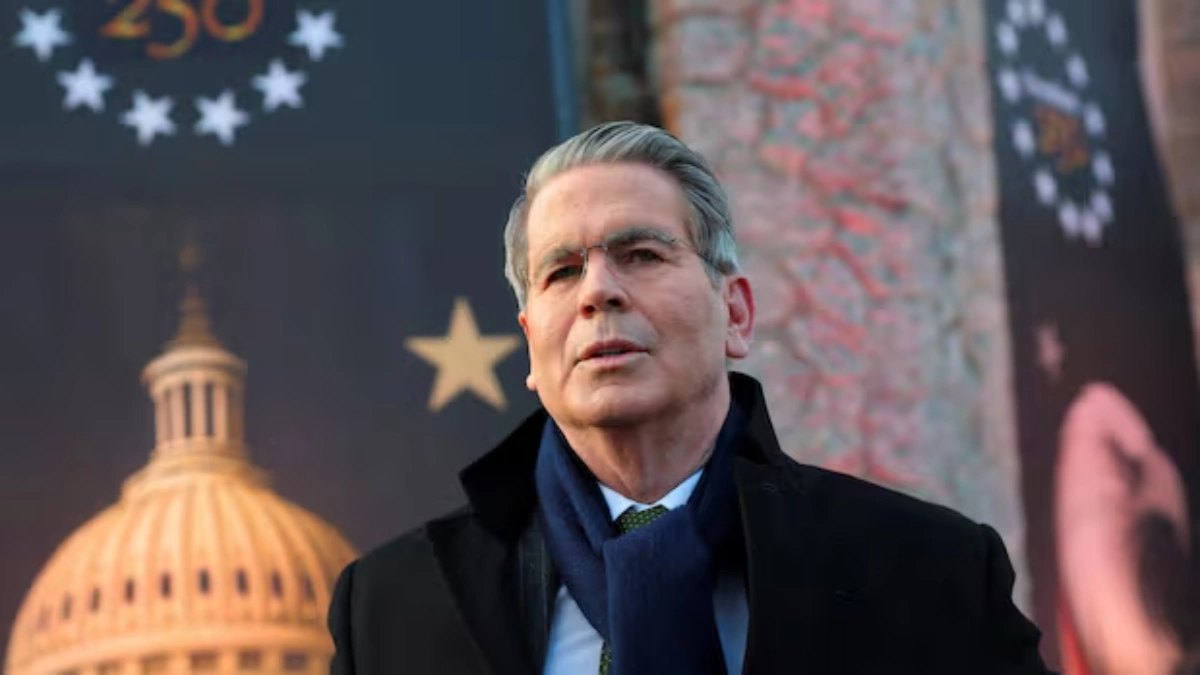
Rising diplomatic tensions between Canada and the United States have taken a new turn with a public warning from U.S. Treasury Secretary Scott Bessent to Canadian Prime Minister Mark Carney, urging him not to provoke confrontations ahead of upcoming U.S.-Mexico-Canada Agreement (USMCA) trade negotiations. The exchange highlights broader geopolitical fault lines, competing national interests, and the growing influence of trade politics in North American relations.
A High-Profile Warning Before Talks Begin
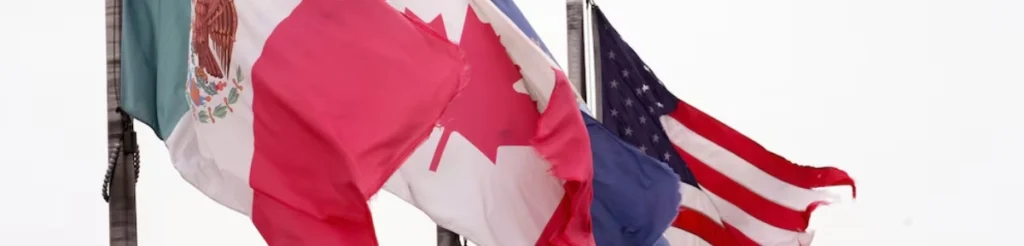
In late January 2026, Bessent — speaking in interviews with major U.S. media — admonished Carney over comments the Canadian leader made at the World Economic Forum in Davos. Carney had criticized global economic coercion by powerful nations, remarks widely interpreted as a critique of U.S. trade policies under President Donald Trump. Bessent responded by urging Carney not to “pick a fight” at such a sensitive moment, suggesting that antagonistic rhetoric could backfire during the formal review of the USMCA trade pact.
Bessent emphasized that Carney’s remarks could be seen as scoring political points rather than working in Canada’s best interest, and questioned the strategic shift of a seasoned technocrat stepping into political sparring. His remarks underscored internal divisions over how to manage Canada-U.S. trade relations and signaled Washington’s sensitivity to criticism leading up to negotiations.
The USMCA Review and Its Stakes

The USMCA, the trade agreement that replaced NAFTA and underpins much of North America’s cross-border commerce, is due for a formal review. This process provides an opportunity to update terms, enhance cooperation on contemporary challenges like digital trade, labor protections, and critical minerals, and address disputes that have emerged since the agreement’s inception in 2020 during Trump’s first presidency.
For Canada, maintaining favourable USMCA conditions is crucial: about 85% of its exports to the U.S. remain tariff-free under the agreement. At the same time, Canada has carefully reiterated its commitment to uphold core USMCA provisions — including requirements to notify partners before pursuing separate free trade deals with non-market economies like China — following trade threats from Washington.
Carney’s Remarks and Diplomatic Backlash
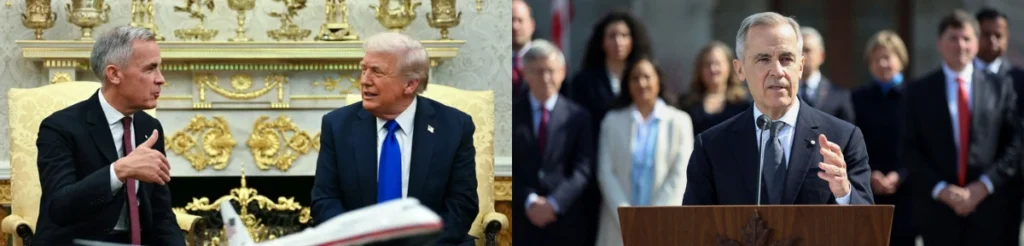
Carney’s speech in Davos framed global trade through the lens of fairness and respect for smaller economies. He condemned what he termed economic coercion by powerful nations and called for a more balanced approach to trade relations. His choice of forum and blunt language drew immediate attention and triggered sharp reactions in Washington.
Trump himself threatened to impose 100% tariffs on Canadian imports if Ottawa proceeded with certain trade engagements with Beijing — a dramatic escalation that underscored how vulnerable trade ties are to political rhetoric. Although Carney’s comments did not directly name the U.S., U.S. officials interpreted them as targeting their trade stance and policies.
The sustained criticism has seen Carney clarify to reporters that he stood by his original remarks, insisting that he had fully conveyed his views to Trump and meant them. Despite Bessent’s public admonishment, Carney has maintained his stance, underlining the tension between diplomatic prudence and national sovereign expression.
U.S. and Canadian Leadership Reactions
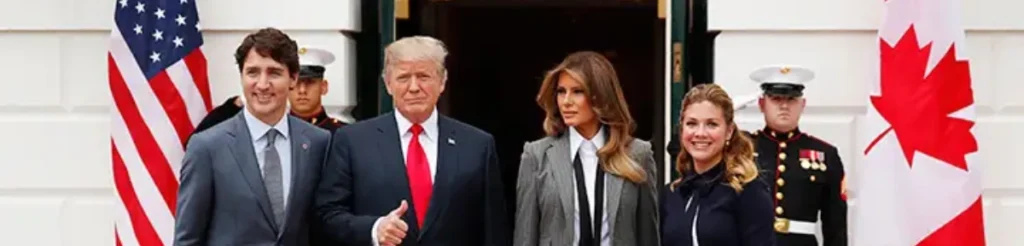
Following the escalation, Bessent told Fox News that Carney had been “very aggressively walking back some of the unfortunate remarks he made at Davos.” Carney, for his part, reiterated his commitment to his comments, signaling that he would not retract them simply because they drew criticism. This exchange reveals an unusual degree of public diplomatic friction between the leaders of two of the closest trading partners in the world.
Trump himself has characterized the USMCA and related trade relations in dismissive terms at times, expressing indifference to the agreement and suggesting unpredictable shifts in U.S. policy. Such rhetoric adds uncertainty to what most observers saw as a stable framework for North American trade.
Implications for the USMCA Review and Regional Trade
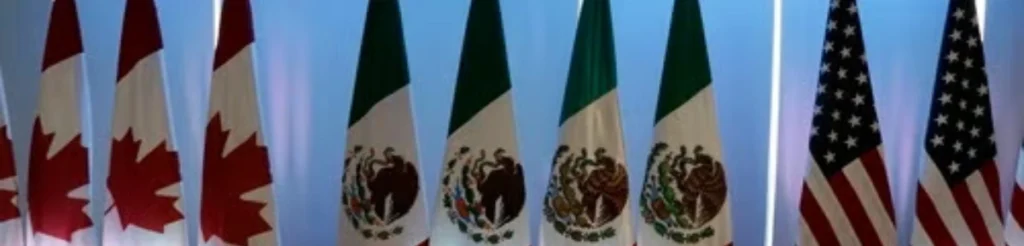
The immediate impact of this public disagreement is heightened diplomatic tension just as formal negotiations are about to begin. Instead of quiet diplomacy — a common practice in trade discussions — the dispute over public comments and warnings has brought cross-border disagreements into the open.
Economists and trade analysts worry that when political rhetoric overshadows substantive negotiation, progress on critical issues such as rules of origin, supply chain resilience, and labor and environmental standards could be hampered.
Yet, Bessent also expressed cautious optimism, suggesting that despite the rough rhetoric and diplomatic sparring, the three countries could still reach a positive outcome — even if the path “may not be a straight line.”
Political Calculations and Domestic Pressures
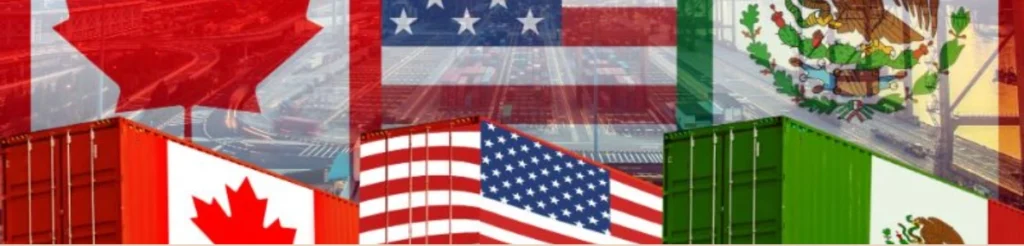
Part of the reason for robust public statements from both sides lies in domestic politics. In Canada, Carney — a former central banker turned prime minister — is navigating his own political terrain, balancing global leadership against national expectations. Similarly, Trump and his advisors, including Bessent, are managing political narratives that appeal to their domestic coalitions. Trade tensions often become symbolic proxies for broader policy debates and electoral messaging.
Observers note that trade negotiations are not just economic exercises; they are deeply political engagements. As Carney engages internationally and defends his positions publicly, he also signals to his domestic audience that he is willing to assert Canadian autonomy — a message that resonates politically within Canada. Conversely, Bessent’s warning frames such assertiveness as potentially counterproductive, especially if it complicates negotiations with the U.S. and Mexico.
Broader Context: Trade Policy and Geopolitics

The dispute comes at a time when global trade rules are under increasing strain. Countries are grappling with new challenges — from China’s growing economic influence to shifting supply chain dynamics, digital trade issues, and increasing calls for localized manufacturing. The USMCA review presents an opportunity to address such issues, but diplomatic discord can complicate cooperation.
Carney’s emphasis on economic fairness and resistance to coercion fits into a broader narrative seen among U.S. allies that seek to balance relations with both Washington and other major economies like China. The perception of coercion — whether real or rhetorical — affects how countries approach multilateral agreements and negotiate trade terms.
What Comes Next

With formal USMCA talks commencing between the United States and Mexico, and Canada poised to join discussions, the focus now shifts to how each party manages both public rhetoric and private negotiation. Early engagements will likely test whether diplomatic tensions can be set aside for constructive dialogue on issues such as modernizing rules of origin, harmonizing standards, and strengthening labor and environmental protections — common areas of interest.
If both sides can leverage diplomatic channels and compartmentalize the trade talks from broader political disagreements, there remains room for compromise and progress. However, continued public sparring could complicate trust and willingness to make concessions — a reality both Ottawa and Washington will need to manage carefully.
Conclusion: A Trade Dispute with Political Dimensions
The warning issued by Treasury Secretary Scott Bessent to Canadian Prime Minister Mark Carney underscores just how intertwined politics and trade have become in North America’s diplomacy. While trade negotiations like the USMCA review are inherently economic in nature, they do not occur in a political vacuum. National interests, domestic politics, and public diplomacy all play influential roles.
Both sides have reasons to prioritize their strategic goals — whether it’s Canada asserting its stance on international economic policy, or the United States shielding its trade prerogatives under a politically charged administration. How these tensions are managed — and whether they can be reconciled in the coming weeks — will shape not only the future of USMCA revisions but also the fabric of North American economic cooperation.