
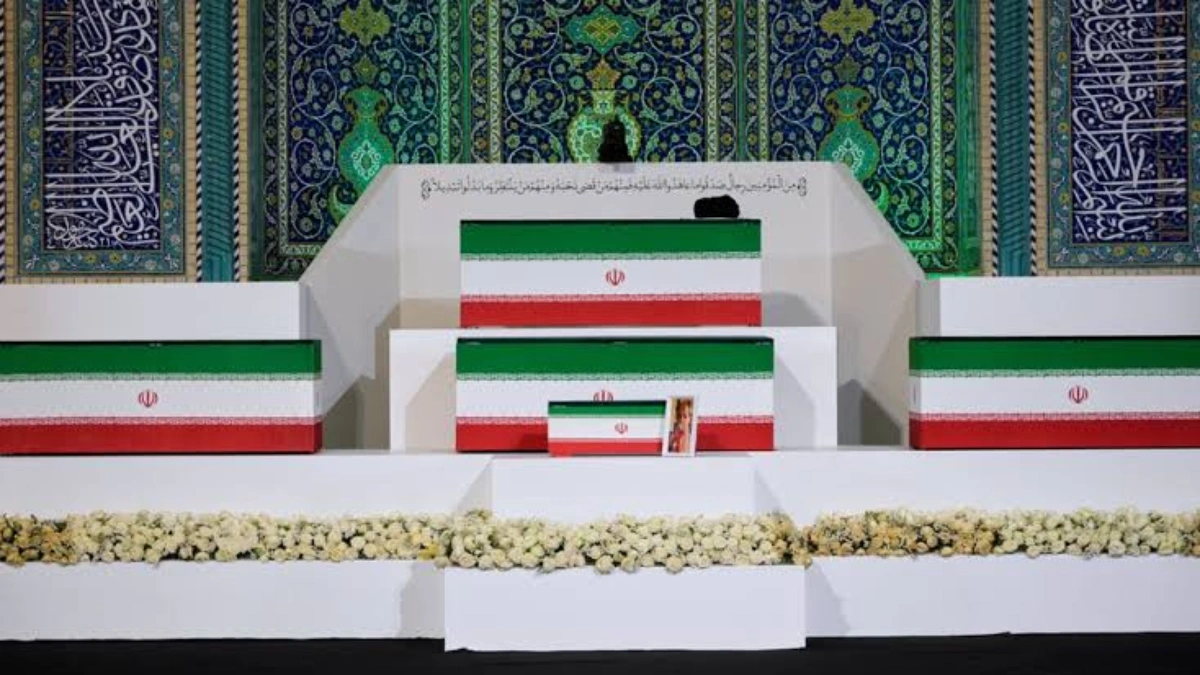
In geopolitics, wars are fought not only on battlefields but also in the realm of information. Governments often seek to shape public perception, portray resilience, and maintain domestic support during times of crisis. Yet there is a significant difference between presenting a favorable narrative and denying evident realities. Critics argue that when a government declares “victory” despite suffering substantial military, economic, or political setbacks, it risks undermining its own credibility. This criticism has increasingly been directed at Iran’s leadership following recent confrontations in the Middle East.
The term “gaslighting”—originally describing psychological manipulation that causes people to question reality—is now frequently used in political discussions. Critics contend that official Iranian messaging has attempted to frame difficult outcomes as strategic successes, even when visible evidence suggests otherwise. Whether this approach strengthens domestic morale or erodes public trust remains a matter of debate.
The Cost of Narrative Control

Throughout history, governments involved in conflict have used propaganda to influence public opinion. Wartime messaging often emphasizes resilience, minimizes losses, and highlights isolated successes. However, in today’s digital age, where satellite imagery, independent journalism, and social media provide rapid access to information, maintaining a narrative that sharply contradicts observable events has become increasingly difficult.
Recent regional conflicts demonstrated this challenge. Images of damaged infrastructure, disrupted military facilities, and economic instability spread globally within hours. Independent analysts, international media, and open-source intelligence communities examined the available evidence in real time. Against this backdrop, declarations of overwhelming success faced heightened scrutiny.
When citizens compare official statements with widely available information, inconsistencies can weaken confidence in government institutions.
Military Setbacks Cannot Be Ignored

Military conflicts are measured by multiple factors: strategic objectives, territorial control, operational capability, deterrence, and long-term stability. Simply claiming victory does not automatically establish it.
Recent hostilities exposed vulnerabilities within Iran’s defense network. Reports indicated strikes on military infrastructure, disruptions to strategic facilities, and pressure on key defense assets. Regardless of differing interpretations regarding the scale of damage, the events demonstrated that Iran faced significant operational challenges.
At the same time, Iranian officials emphasized missile launches and retaliatory actions as evidence of deterrence. Supporters viewed these responses as proof that Iran retained military capability, while critics argued that the broader strategic picture suggested substantial costs rather than clear success.
This difference between symbolic achievements and overall strategic outcomes lies at the heart of the debate.
The Economic Reality

Wars rarely end when the shooting stops. Their consequences often continue through economic hardship.
Iran has endured years of sanctions, inflation, currency depreciation, and investment challenges. Conflict adds another layer of uncertainty by affecting trade, infrastructure, insurance costs, and investor confidence.
For ordinary citizens, the impact is tangible:
- Rising prices
- Higher transportation costs
- Reduced purchasing power
- Increased unemployment risks
- Pressure on government finances
When official messaging celebrates victory while households struggle with everyday expenses, many citizens naturally question the disconnect between rhetoric and lived experience.
Economic realities cannot easily be reframed through political messaging.
Public Trust Is Difficult to Rebuild

Trust is one of the most valuable assets any government possesses. Once damaged, rebuilding it becomes increasingly difficult.
Citizens generally understand that governments may withhold sensitive military details during active conflicts. However, repeated claims that appear inconsistent with observable evidence can create long-term skepticism.
In the era of smartphones and global connectivity, people have access to multiple sources of information. They compare official announcements with satellite images, international reporting, expert analysis, and eyewitness accounts.
When these sources diverge sharply, trust may decline—not only regarding military matters but also across broader public policy.
International Reputation Matters

Governments communicate not only with domestic audiences but also with allies, rivals, investors, and international organizations.
Diplomatic credibility depends on consistency and transparency. States perceived as exaggerating successes or denying setbacks may find it more difficult to persuade international partners during negotiations or crises.
Foreign governments make decisions based on intelligence assessments rather than political rhetoric. Investors consider economic indicators instead of victory speeches. Financial markets respond to measurable risks, not symbolic declarations.
As a result, narrative management has limits when external stakeholders evaluate events independently.
The Human Cost of Conflict
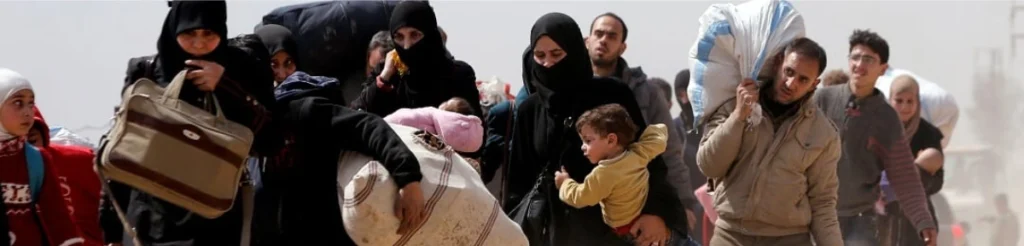
Lost amid political messaging are the individuals directly affected by war.
Military personnel, emergency responders, civilians, and families bear the immediate consequences of conflict. Infrastructure damage can disrupt healthcare, education, transportation, and daily life. Economic instability compounds these challenges over time.
For those who have experienced loss or hardship, triumphant declarations may feel disconnected from reality. Acknowledging sacrifice and addressing practical needs often resonates more strongly than celebratory rhetoric.
Recognizing the human dimension of conflict is essential for any meaningful recovery.
Information Warfare in the Digital Age

Modern conflicts unfold simultaneously in physical and digital spaces.
Governments, media organizations, analysts, and citizens all participate in shaping narratives. Videos, satellite imagery, social media posts, and independent investigations circulate rapidly, making it difficult for any single narrative to dominate.
This environment encourages skepticism. Audiences increasingly seek multiple perspectives before forming conclusions.
Consequently, effective communication today depends less on absolute control of information and more on maintaining credibility through consistency and evidence.
The Limits of Symbolic Victory

History offers many examples where governments declared victory despite ambiguous or costly outcomes. While such messaging may provide short-term political benefits, long-term evaluations typically rely on measurable results:
- Were strategic objectives achieved?
- Was national security strengthened?
- Did economic conditions improve?
- Were citizens made safer?
- Did diplomatic influence increase?
If these indicators move in the opposite direction, victory claims may face continued scrutiny.
Political narratives can influence perception temporarily, but sustained credibility depends on outcomes rather than slogans.
Looking Ahead
The Middle East remains one of the world’s most complex geopolitical regions. Tensions involving Iran, Israel, regional militias, and global powers continue to shape security dynamics.
Future stability will likely depend not only on military deterrence but also on diplomacy, economic resilience, and public confidence.
Constructive governance often requires acknowledging challenges alongside achievements. Honest assessments may be politically difficult, yet they can strengthen institutional credibility over time.
Conclusion
Claims of victory during or after conflict are common in international politics. However, when official narratives appear to conflict with widely observed events, critics may describe them as attempts to reshape reality rather than accurately reflect it.
Whether one agrees with that characterization or not, credibility remains a critical component of effective leadership. Military strength, economic resilience, and diplomatic influence all depend in part on public trust.
In an age where information travels instantly and evidence is widely accessible, governments face increasing pressure to align their messaging with verifiable facts. Ultimately, durable legitimacy is built less on declarations of triumph than on transparent communication, measurable outcomes, and the ability to address the real challenges facing citizens.