
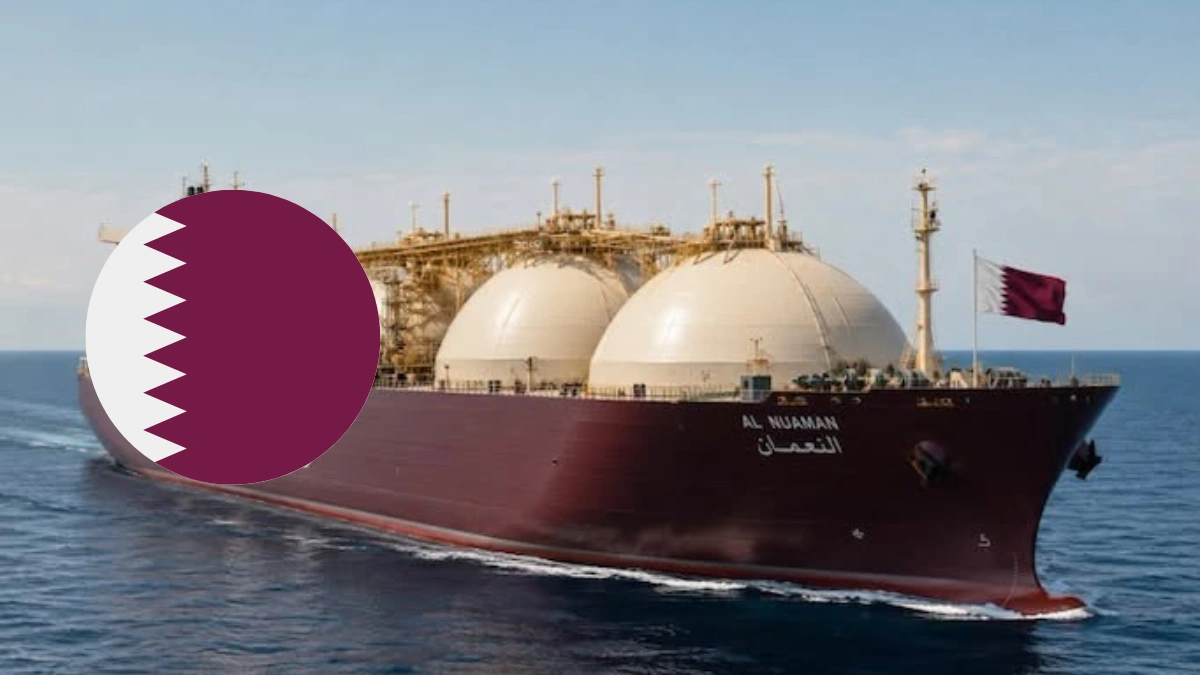
The Strait of Hormuz, one of the world’s most strategically important waterways, remains at the center of global energy concerns. Despite ongoing security uncertainties and a slowdown in shipping activity, Qatar has moved several liquefied natural gas (LNG) tankers into the strait, signaling confidence in maritime operations and underscoring the nation’s critical role in the global energy market.
The move comes at a time when vessel traffic through the region has declined sharply due to geopolitical tensions and renewed concerns over maritime safety. Yet, Qatar’s decision highlights both the importance of maintaining LNG exports and the growing urgency among energy producers to keep supplies flowing.
A Vital Energy Lifeline
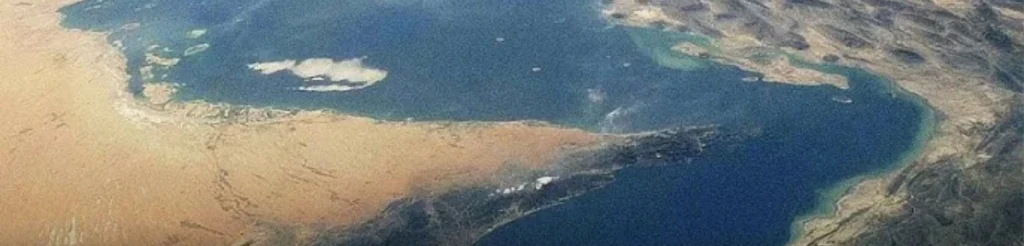
The Strait of Hormuz connects the Persian Gulf with the Arabian Sea and serves as one of the world’s busiest energy corridors. Around one-fifth of global oil and LNG trade normally passes through this narrow passage, making any disruption a major concern for international markets.
Countries such as Qatar, Saudi Arabia, the United Arab Emirates, Kuwait, and Iraq rely heavily on this route to export energy products to Asia and Europe. Any slowdown or closure can immediately affect prices and supply chains across the world.
Qatar Moves Four LNG Tankers
According to ship-tracking data, four Qatar-controlled LNG tankers—Wadi Al Sail, Mekaines, Al Sadd, and Mesaimeer—headed into the Strait of Hormuz despite reduced shipping traffic. The vessels entered through the Iranian route, marking the first such movement since the outbreak of conflict involving Iran earlier in the year.
This development is particularly significant because LNG carriers are among the most valuable and sensitive ships operating at sea. Their operators are generally cautious due to high insurance costs and safety risks.
The decision to proceed indicates that Qatar and shipping companies are gradually regaining confidence in the region’s security situation.
Shipping Activity Remains Below Normal
Although there are signs of recovery, maritime traffic remains far below pre-crisis levels. Before tensions escalated, around 125 to 140 vessels transited the strait daily. Current figures remain significantly lower, as many shipowners continue to exercise caution.
Several factors are contributing to the slowdown:
- Security concerns.
- High insurance premiums.
- Fear of renewed conflict.
- Risks from unexploded mines.
- Uncertainty surrounding future regulations.
Many shipping companies prefer to wait for stronger assurances before fully resuming operations.
Qatar’s Importance in Global LNG Markets
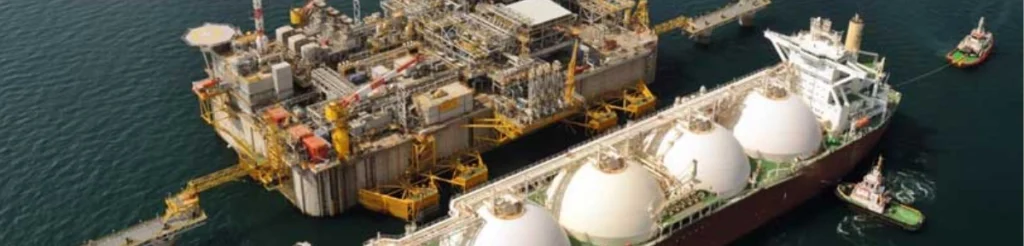
Qatar is one of the world’s largest exporters of liquefied natural gas. Its massive Ras Laffan industrial complex supplies energy to countries across Asia and Europe.
The conflict that began earlier severely affected LNG exports, forcing production cuts and limiting shipments. Although some facilities suffered damage, QatarEnergy has indicated that most production capacity can be restored quickly once logistical bottlenecks ease.
Industry experts believe that transportation—not production—is now the primary challenge.
As one source familiar with operations explained, the biggest question is how quickly ships can return and how fast cargoes can be loaded after reopening routes.
LNG Tankers Face Unique Risks
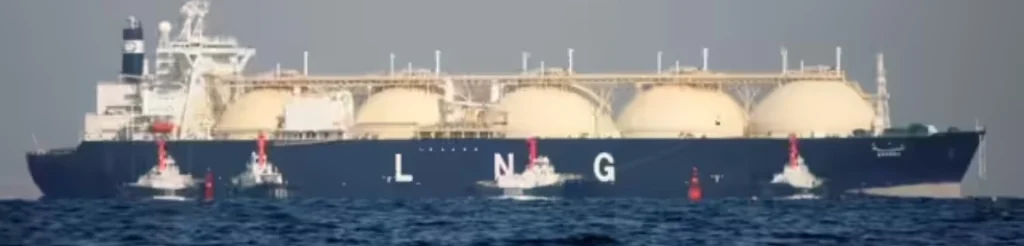
Unlike ordinary oil tankers, LNG carriers transport highly specialized cargo and are extremely expensive assets. Operators tend to be conservative because potential losses can be enormous.
Several shipping analysts note that LNG vessels have lower risk tolerance compared with other types of ships. Insurance costs remain elevated, and owners continue to monitor security developments closely.
Despite these challenges, Qatar’s latest move suggests increasing confidence that conditions are stabilizing.
Growing Signs of Recovery
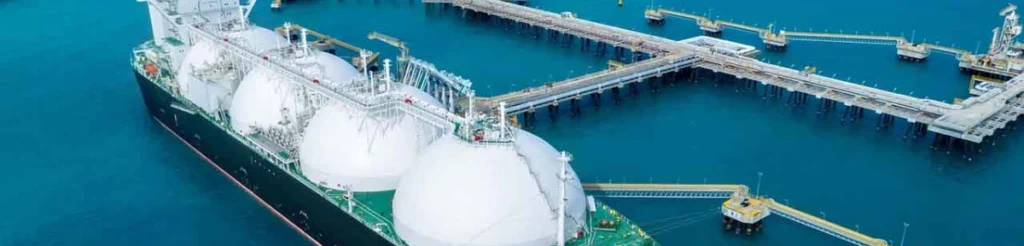
Recent data indicates a gradual increase in tanker movements through Hormuz. Oil tankers carrying millions of barrels have resumed crossings, while several supertankers have entered Gulf waters after months of disruption.
Satellite imagery has also revealed hundreds of vessels waiting near the eastern side of the strait, anticipating a full reopening and improved security arrangements. More than 400 large ships have reportedly gathered outside the area, hoping for smoother operations in the coming weeks.
The movement of Qatar’s LNG vessels is therefore viewed as part of a broader recovery in maritime trade.
Markets Watching Closely

Energy markets remain highly sensitive to developments in the Gulf.
Any disruption in the Strait of Hormuz has immediate consequences because:
- LNG supplies to Asia depend heavily on Gulf producers.
- Oil prices react quickly to geopolitical uncertainty.
- Shipping costs rise when risks increase.
- Importing countries face concerns over energy security.
Recent progress in diplomatic talks between the United States and Iran has helped calm some fears, contributing to improved sentiment in financial markets.
However, analysts caution that the situation remains fragile and that confidence could reverse if tensions escalate again.
Alternative Shipping Routes Remain Limited
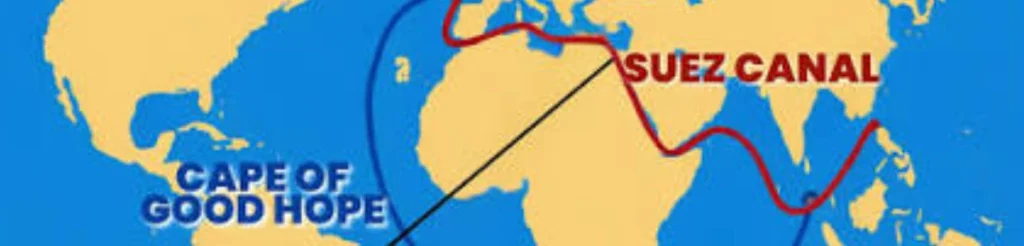
While some ships have used routes closer to Oman under military protection, these options are limited and carry additional risks. Maritime experts warn that congestion and navigation hazards make alternative paths difficult to sustain over the long term.
Consequently, restoring normal traffic through the Strait of Hormuz remains essential for maintaining global energy stability.
Confidence Returning Slowly
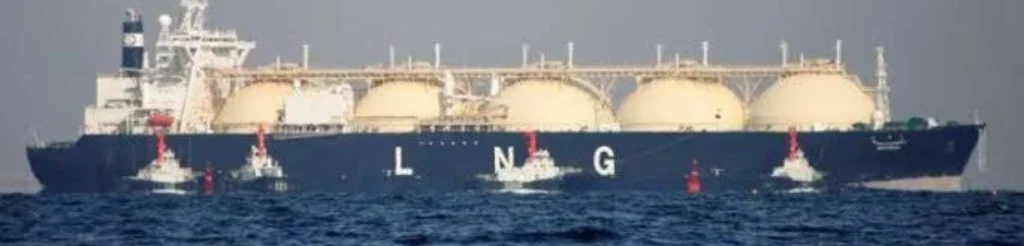
The re-entry of Qatari LNG tankers reflects a cautious but important shift in sentiment.
Shipping companies appear to be adopting a wait-and-see approach. Each successful transit strengthens confidence and encourages additional vessel movements.
As one observer noted, trust in maritime corridors is rebuilt “one transit at a time.”
The success of these voyages could encourage other operators to resume normal schedules, gradually restoring trade flows.
Looking Ahead
Qatar’s decision to bring LNG tankers into the Strait of Hormuz despite reduced shipping activity demonstrates the resilience of global energy networks. While challenges remain, the movement signals growing confidence in regional stability and highlights the importance of keeping energy supplies flowing.
For the world economy, the Strait of Hormuz remains far more than a narrow waterway—it is a lifeline connecting producers and consumers across continents. As diplomacy progresses and confidence improves, industry leaders hope that shipping activity will continue to recover, ensuring that global energy markets remain supplied and stable.
The coming weeks will determine whether this cautious recovery becomes a lasting return to normal or another chapter in the ongoing uncertainty surrounding one of the world’s most critical maritime chokepoints.