
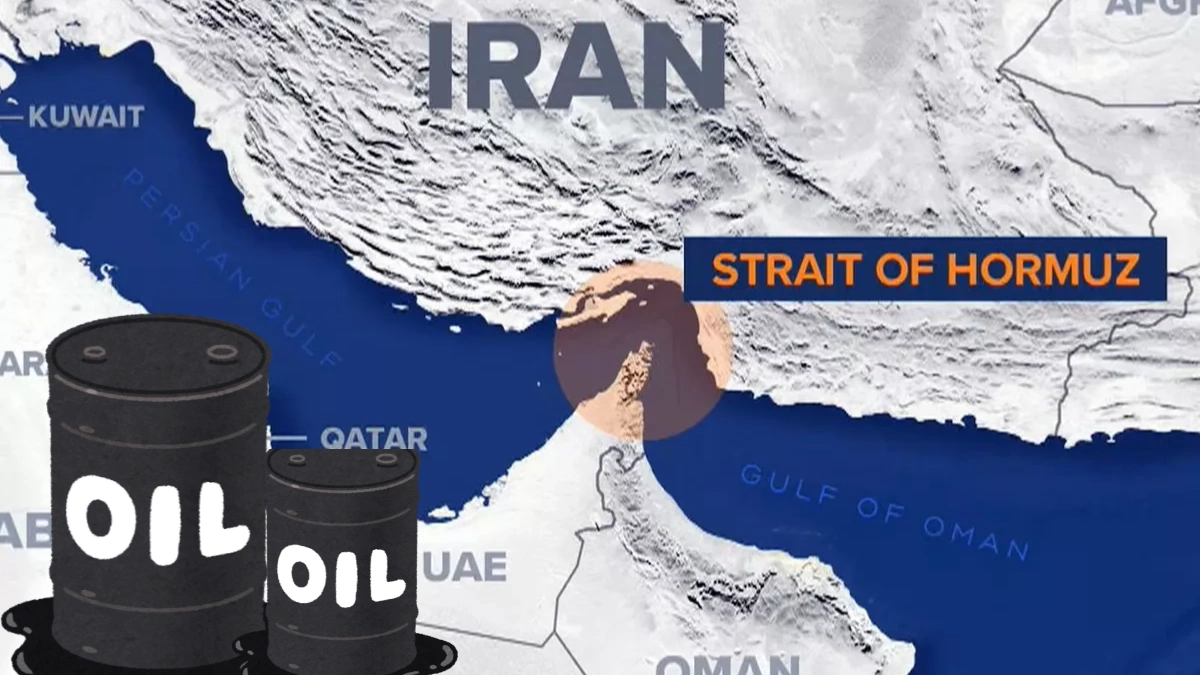
For decades, the Strait of Hormuz was the beating heart of the global oil trade. Nearly one-fifth of the world’s oil supply passed through this narrow waterway connecting the Persian Gulf to international markets. Whenever tensions rose in the Middle East, oil prices surged, and global energy markets held their breath.
The Iran war of 2026 may have changed that equation forever.
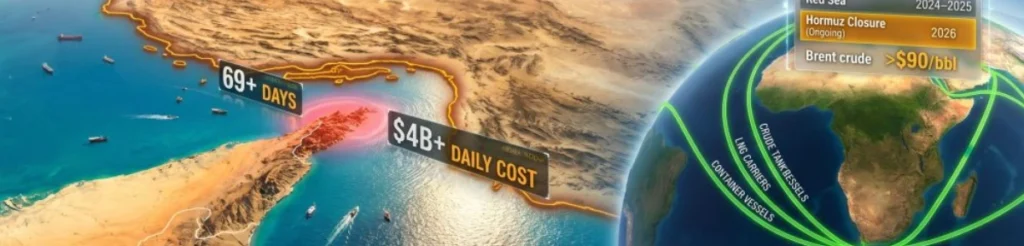
What began as a regional conflict quickly evolved into the largest disruption in modern oil market history. Tanker traffic through Hormuz collapsed, insurance costs skyrocketed, and global buyers scrambled to secure alternative supplies. While the conflict appears to be moving toward a diplomatic resolution, many energy analysts believe the oil business has already begun a historic shift—from Hormuz to Houston.
Why Hormuz Has Always Mattered
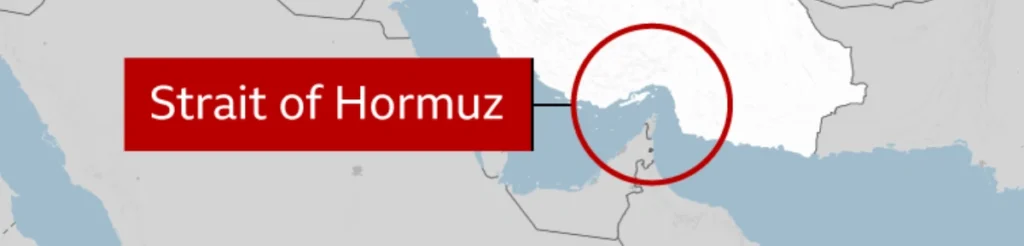
The Strait of Hormuz is one of the world’s most important energy chokepoints. Countries such as Saudi Arabia, Iraq, Kuwait, Qatar, and the UAE rely heavily on it to export crude oil and liquefied natural gas.
Before the war, roughly 20 million barrels of oil per day moved through the strait. Any threat to shipping in the region immediately affected global energy prices and supply chains.
For years, energy markets assumed that while tensions might occasionally disrupt traffic, the strait would ultimately remain open because the world depended on it.
The events of 2026 challenged that assumption.
The Iran War Changed Market Thinking
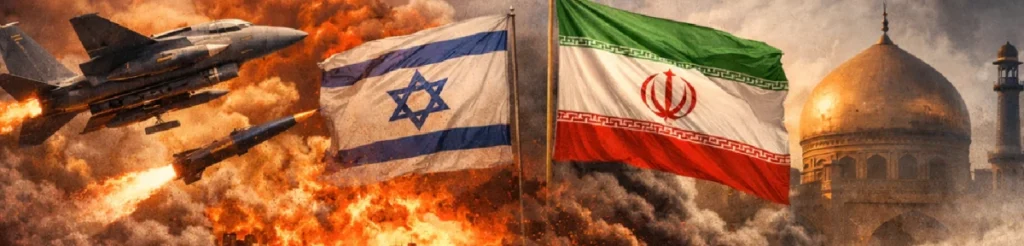
Following the outbreak of conflict, shipping through Hormuz slowed dramatically. Tanker operators faced security threats, insurers raised premiums to unprecedented levels, and many vessels avoided the route altogether.
According to energy analysts, the disruption removed millions of barrels per day from normal trade flows and forced governments and companies to rethink supply security.
Even after ceasefire agreements and diplomatic negotiations, experts warn that traffic may not quickly return to pre-war levels. The reopening process is expected to take months, while political and security risks could persist for years.
The key lesson for oil buyers is simple: dependence on a single chokepoint creates unacceptable risk.
Enter Houston: America’s Energy Capital
While Hormuz struggled, Houston emerged as one of the biggest winners.
Houston is already the center of the U.S. energy industry, serving as headquarters for many of the world’s largest oil and gas companies. The rise of American shale production over the past decade transformed the United States from a major importer into one of the world’s leading energy exporters.
The Iran war accelerated this trend.
As Middle Eastern supplies became uncertain, buyers increasingly turned to American crude. U.S. producers gained market share, while Gulf Coast export terminals became more strategically important than ever.
In effect, the center of gravity in the oil business began moving westward.
Why Buyers Prefer Stability
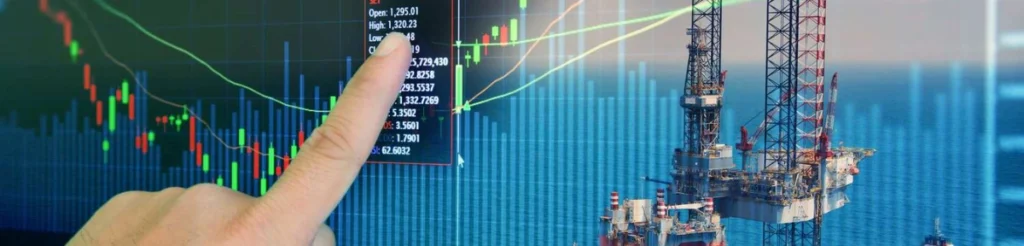
Energy companies and governments do not simply buy the cheapest oil. They buy reliability.
The United States offers several advantages:
1. Political Stability
Although American politics can be unpredictable, energy exports are not dependent on a vulnerable maritime chokepoint controlled by geopolitical rivals.
2. Strong Infrastructure
The Gulf Coast has extensive pipelines, storage facilities, refineries, and export terminals capable of handling massive volumes of crude oil and natural gas.
3. Flexible Production
American shale producers can often respond more quickly to market signals than traditional producers.
4. Transparent Markets
U.S. oil markets operate under established legal and regulatory systems that international buyers trust.
These advantages became much more valuable after the Hormuz disruption.
A New Energy Geography
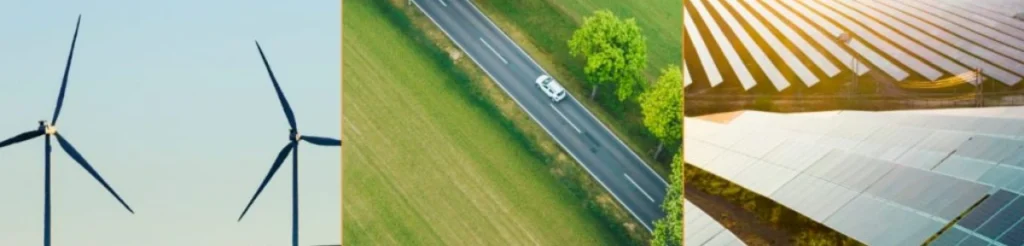
The global oil map is changing.
For decades, energy security meant protecting Middle Eastern shipping lanes. Increasingly, it means diversifying supply sources and reducing dependence on any single route.
Countries in Asia and Europe are expanding imports from:
- United States
- Canada
- Brazil
- Guyana
- Norway
Meanwhile, companies are investing in strategic reserves, alternative shipping routes, and long-term supply agreements.
The result is a more diversified energy system where Hormuz remains important but no longer dominates global trade in the same way.
Challenges for Middle Eastern Producers

The shift does not mean Middle Eastern oil is disappearing.
The Gulf region still holds some of the world’s largest and lowest-cost reserves. Saudi Arabia, the UAE, Iraq, and Qatar will remain major energy exporters for decades.
However, the war has created a new challenge: rebuilding confidence.
Even if shipping fully resumes, many buyers will continue pursuing diversification strategies because they have seen how quickly a geopolitical crisis can disrupt flows.
In business, trust lost during a crisis is often difficult to regain.
What This Means for Oil Prices

A permanent shift toward U.S. exports could have mixed effects on prices.
Factors That Could Lower Prices
- More diversified supply chains
- Increased production from North America
- Improved energy security
Factors That Could Raise Prices
- Higher transportation costs
- Increased investment requirements
- Continued geopolitical risk premiums
Analysts expect markets to remain volatile until shipping patterns stabilize and inventories recover from the disruption.
Implications for India

For India, one of the world’s largest energy importers, the shift has significant implications.
India has traditionally relied heavily on Middle Eastern crude. The Hormuz crisis highlighted the risks associated with that dependence.
Future energy strategies may include:
- Greater diversification of import sources
- Increased purchases from the United States
- Expansion of strategic petroleum reserves
- Investments in renewable energy
The goal will be to reduce vulnerability to regional conflicts.
The Bigger Picture
The most important impact of the Iran war may not be temporary oil price spikes or short-term supply disruptions.
Instead, it may be psychological.
For decades, global markets assumed that Hormuz would always remain the central artery of world energy trade. The events of 2026 demonstrated that assumption could no longer be taken for granted.
As companies, governments, and investors adapt, capital is increasingly flowing toward regions viewed as safer and more reliable.
That is why the phrase “from Hormuz to Houston” captures more than a geographic shift—it represents a strategic transformation in how the world thinks about energy security.
Conclusion
The Iran war exposed the vulnerabilities of relying on a single maritime chokepoint for a large portion of global energy supplies. While the Strait of Hormuz will remain a critical route, its dominance may never fully return.
Houston and the broader U.S. energy sector have emerged as major beneficiaries of this transformation. Buyers seeking reliability, stability, and diversification are increasingly turning toward North American supplies.
The oil business is unlikely to abandon the Middle East. But the balance of power is shifting.
And if the lessons of 2026 continue shaping investment and trade decisions, the move from Hormuz to Houston may prove to be one of the most significant energy realignments of the 21st century.