
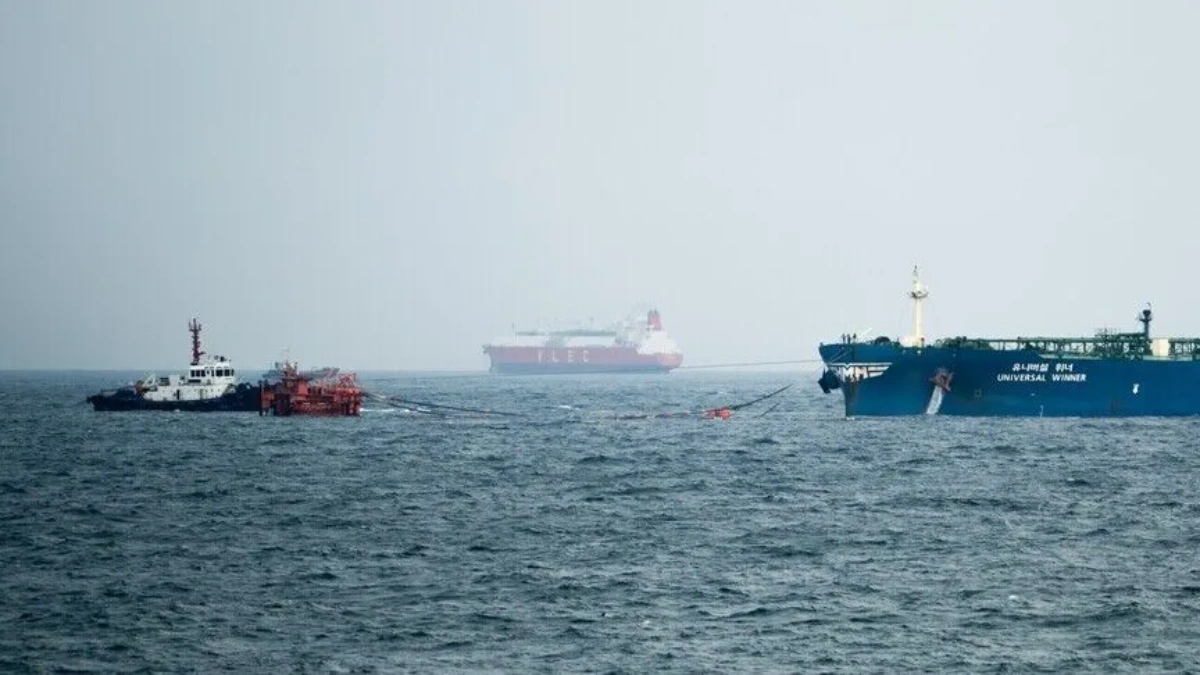
The Strait of Hormuz remains one of the world’s most strategically important waterways, serving as a critical passage for global energy supplies and international trade. Every day, millions of barrels of crude oil, liquefied natural gas (LNG), and other essential commodities pass through this narrow maritime corridor, connecting the oil-rich Gulf region with global markets. Against the backdrop of rising geopolitical tensions in the Middle East, Oman has once again reaffirmed its commitment to ensuring safe navigation through the Strait of Hormuz, highlighting its long-standing role as a neutral and reliable regional partner.
Oman’s recent statements emphasizing cooperation and maritime security have been welcomed by governments, shipping companies, and energy markets alike. As concerns over regional conflicts continue to affect global trade, Oman’s diplomatic approach offers reassurance that efforts are being made to keep one of the world’s busiest shipping lanes open and secure.
The Importance of the Strait of Hormuz
The Strait of Hormuz is located between Oman and Iran, connecting the Persian Gulf with the Gulf of Oman and the Arabian Sea. Although it is only about 33 kilometers wide at its narrowest point, it carries nearly one-fifth of the world’s oil consumption and a significant share of global LNG exports.
Major energy producers such as Saudi Arabia, the United Arab Emirates, Kuwait, Iraq, Qatar, and Iran rely on the strait to transport energy resources to customers worldwide. Countries in Asia, Europe, and other regions depend heavily on these shipments to meet their energy needs.
Any disruption to navigation through the Strait of Hormuz can quickly impact global oil prices, shipping costs, and supply chains.
Oman’s Strategic Role

Unlike some of its regional neighbors, Oman has traditionally pursued a policy of neutrality and balanced diplomacy. The country has maintained positive relationships with Gulf Cooperation Council (GCC) members, Iran, Western nations, and other international partners.
This diplomatic approach has allowed Oman to serve as a mediator during regional disputes while promoting dialogue over confrontation.
Because Oman shares maritime boundaries with the Strait of Hormuz, it has a direct interest in maintaining safe and uninterrupted navigation. Stable shipping routes support not only international trade but also Oman’s own economy, including its ports, logistics sector, and energy exports.
Commitment to Maritime Security
Oman’s reaffirmation of cooperation reflects its continued commitment to international maritime law and regional stability.
The country’s priorities include:
- Protecting commercial shipping routes.
- Supporting freedom of navigation.
- Strengthening regional cooperation.
- Promoting peaceful conflict resolution.
- Enhancing maritime safety.
Omani authorities regularly coordinate with neighboring countries and international maritime organizations to improve navigation safety and respond to potential security challenges.
Why Safe Navigation Matters

Modern economies depend on efficient maritime transportation. The Strait of Hormuz serves as a vital gateway for global commerce, particularly energy exports.
Safe navigation benefits several sectors:
Energy Markets
Oil and LNG shipments passing through the strait supply industries, transportation networks, and households across the world.
Reliable shipping reduces market uncertainty and helps stabilize energy prices.
Global Trade
In addition to energy products, commercial vessels transport manufactured goods, food supplies, industrial equipment, and raw materials through regional shipping routes connected to the Strait of Hormuz.
Any interruption could delay deliveries and increase transportation costs.
Shipping Industry
Shipping companies depend on predictable maritime conditions to maintain schedules, reduce insurance costs, and ensure crew safety.
Greater regional cooperation lowers operational risks for commercial fleets.
Diplomatic Cooperation Over Conflict

Oman’s foreign policy has consistently emphasized diplomacy rather than military confrontation.
The country has often facilitated communication between countries experiencing political disagreements, helping reduce tensions through dialogue.
Its reaffirmation of cooperation regarding navigation reflects this broader diplomatic philosophy.
By encouraging communication among regional stakeholders, Oman seeks to prevent misunderstandings that could threaten maritime security.
International Support

Many international organizations and governments support efforts to maintain open and secure shipping lanes.
Freedom of navigation remains a fundamental principle of international maritime law.
Countries importing energy from the Gulf closely monitor developments in the Strait of Hormuz because any disruption can have immediate economic consequences.
Oman’s cooperative approach aligns with broader international efforts to promote regional stability and protect commercial shipping.
Economic Benefits of Stability

Maintaining secure navigation provides important economic advantages.
For Oman, stable maritime routes encourage:
- Port development.
- Foreign investment.
- Logistics growth.
- Tourism confidence.
- Trade expansion.
The country’s strategic ports continue attracting international shipping companies due to their location and reliable infrastructure.
Regional stability also supports employment and economic diversification initiatives under Oman’s long-term development plans.
Challenges Facing the Region

Despite ongoing diplomatic efforts, the Strait of Hormuz continues to face several challenges.
These include:
- Regional political tensions.
- Military activities.
- Maritime security concerns.
- Fluctuating oil markets.
- Geopolitical uncertainty.
Because the waterway serves multiple national interests, maintaining stability requires continuous communication and cooperation among regional and international stakeholders.
The Role of International Maritime Cooperation
Protecting major shipping routes requires collaboration between governments, shipping companies, naval forces, and international organizations.
Cooperative measures include:
- Information sharing.
- Joint maritime patrols.
- Search and rescue coordination.
- Navigation safety systems.
- Emergency response planning.
Oman’s willingness to cooperate strengthens these collective efforts and contributes to safer maritime operations.
Impact on Global Energy Markets

Financial markets closely watch developments involving the Strait of Hormuz.
Even reports of potential disruptions can influence:
- Oil prices.
- LNG prices.
- Shipping insurance premiums.
- Freight rates.
- Investor confidence.
Oman’s reassuring statements help reduce uncertainty by signaling continued support for uninterrupted commercial navigation.
Stable maritime conditions allow energy producers and buyers to plan long-term investments with greater confidence.
Looking Ahead
As global energy demand continues to grow, the importance of secure maritime transportation will remain high.
The Strait of Hormuz will continue serving as one of the world’s most vital energy corridors for decades to come.
Oman’s balanced diplomacy, commitment to cooperation, and support for maritime security position the country as an important contributor to regional stability.
Future investments in port infrastructure, shipping technology, and international partnerships are expected to further strengthen Oman’s role in global trade.
Conclusion
Oman’s reaffirmation of cooperation on Strait of Hormuz navigation sends a positive message to the international community at a time when geopolitical uncertainty remains a concern. By emphasizing dialogue, maritime safety, and regional collaboration, Oman continues to play a constructive role in protecting one of the world’s most critical shipping routes.
The uninterrupted flow of energy and commercial goods through the Strait of Hormuz is essential for global economic stability. Oman’s commitment to maintaining secure navigation not only benefits Gulf nations but also supports international trade, energy security, and investor confidence around the world.
As regional challenges evolve, continued cooperation among neighboring countries and global partners will remain essential. Through diplomacy and collaboration, Oman demonstrates how balanced leadership can contribute to peace, stability, and the smooth functioning of international maritime commerce.