
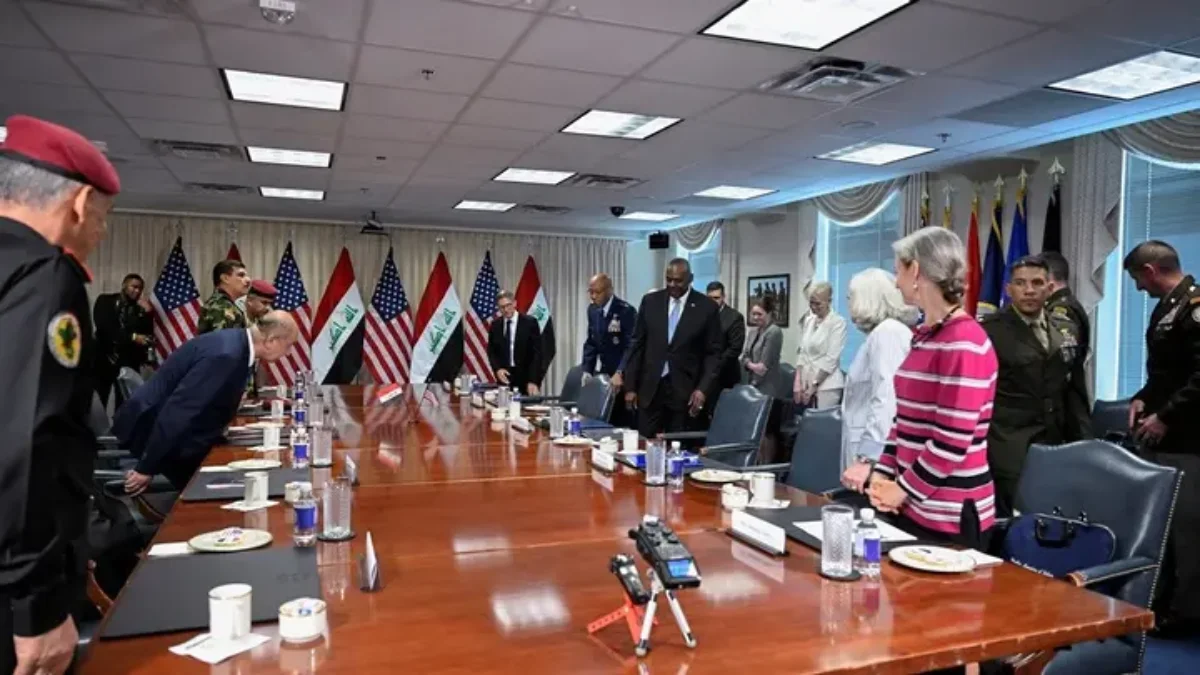
The United States has completed the withdrawal of its military forces from Iraq, bringing an end to a military presence that began with the 2003 invasion and later evolved into a counterterrorism mission against the Islamic State (ISIS). The final U.S. and coalition personnel have been relocated primarily to Jordan, while Washington and Baghdad are expected to continue their relationship through bilateral security cooperation rather than a permanent American military presence.
The withdrawal is significant not only for Iraq and the United States but also for the wider Middle East. Iran has developed extensive political, security and economic relationships inside Iraq over the past two decades. At the same time, several Iraqi armed groups aligned with Tehran have become influential actors within the country’s political and security system. The U.S. departure therefore raises questions about how Iraq will balance its relationships with Washington and Tehran and how the regional distribution of influence may change.
From the 2003 Invasion to the Fight Against ISIS
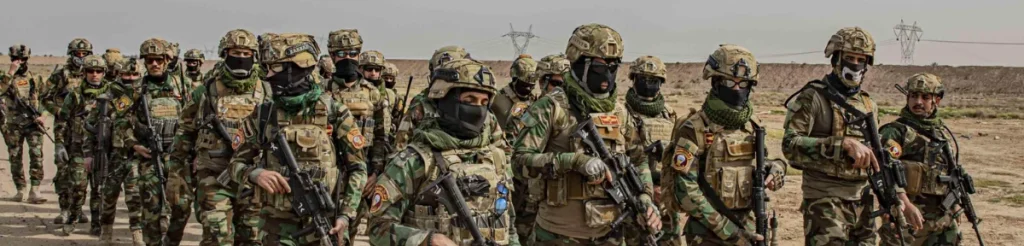
The U.S. military entered Iraq in 2003 as part of the invasion that removed Saddam Hussein’s government. American forces eventually withdrew in 2011, but they returned in 2014 after ISIS captured large areas of Iraq and Syria.
The return was fundamentally different from the original intervention. The United States became part of an international coalition supporting Iraqi forces against ISIS. Iraqi security forces, backed by coalition airpower, intelligence, training and logistical assistance, eventually recovered the territory controlled by the militant organization. The coalition’s combat mission in Iraq was subsequently reduced as Iraqi forces became more capable.
In 2024, Washington and Baghdad agreed on a timetable for ending the coalition’s military mission in Iraq and moving toward a longer-term bilateral security relationship. The agreement initially envisaged the end of the coalition’s military mission in federal Iraq by September 2025, with arrangements related to counter-ISIS operations in Syria continuing afterward.
By 2026, most U.S. forces had already left Iraqi bases outside the Kurdish region. The final stage involved withdrawing personnel from northern Iraq, including the semiautonomous Kurdistan region.
Why the Withdrawal Matters
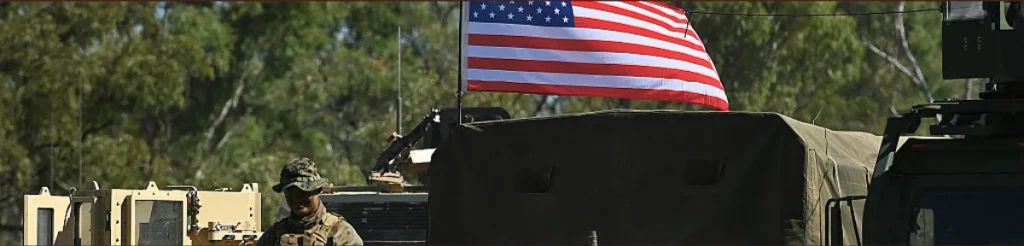
The U.S. military presence gave Washington a direct security role in Iraq and provided Iraqi forces with training, intelligence and other forms of assistance. Its departure transfers greater responsibility for national security to the Iraqi government and its security institutions.
Washington has argued that Iraq is now capable of taking greater responsibility for confronting the remaining ISIS threat. The Pentagon described the transition as part of a move toward a lasting U.S.-Iraq security partnership following progress against ISIS.
However, the withdrawal does not mean that the United States is ending its relationship with Iraq. American companies and diplomatic institutions are expected to remain active, while future security cooperation can take place without a large U.S. military deployment. President Donald Trump has also emphasized the continuation of American economic engagement with Iraq.
Iran’s Influence in Iraq
Iran’s position in Iraq is particularly important because of the extensive relationships Tehran has built with Iraqi political parties and armed groups.
Iran-backed militias became especially powerful during the fight against ISIS. Many were incorporated into Iraq’s Popular Mobilization Forces, a state-recognized security structure. Some of these groups maintain close ties with Iran while also operating within Iraq’s political system. Reports indicate that several powerful militias continue to resist calls for disarmament even as the United States leaves the country.
The U.S. withdrawal may therefore give Iran and its Iraqi allies greater room to operate politically and strategically. Reuters reported that Iranian officials and allied groups have portrayed the American departure as a victory, while Iraqi security analysts have raised concerns that Tehran’s influence could expand further.
That does not necessarily mean Iraq is becoming an Iranian-controlled state. Iraqi politics remain fragmented, and Baghdad has its own national interests. Iraq has repeatedly attempted to maintain relationships with both Washington and Tehran rather than becoming completely aligned with either side.
The Kurdish Region Faces New Security Questions
The U.S. departure has generated particular concern in Iraq’s Kurdistan region. Kurdish authorities have relied heavily on cooperation with the United States, especially in counterterrorism and security operations.
The region has also faced attacks involving drones and missiles during the broader U.S.-Iran conflict. The removal of American air-defense systems and personnel has increased concerns among Kurdish officials about how future threats will be addressed.
Kurdish leaders have therefore expressed concern about the consequences of the withdrawal. At the same time, the Iraqi federal government has indicated that it will need to strengthen its own defense capabilities and assume greater responsibility for national security.
What Happens to the Militias?
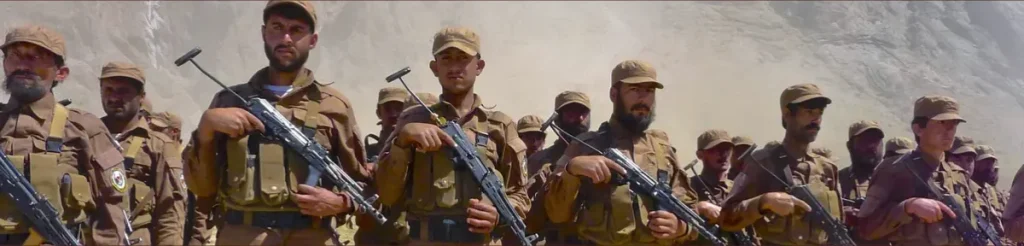
One of the biggest unresolved issues is the future of Iraq’s powerful armed groups.
Baghdad has sought to bring all armed organizations under state authority. But several influential Iran-aligned factions have rejected or resisted complete disarmament. According to recent reporting, some groups continue to possess significant military capabilities despite the U.S. withdrawal.
The Iraqi government has therefore been left with a complicated challenge: maintaining state control over weapons while managing relationships with powerful political factions that have their own armed wings.
How Baghdad handles this issue could have a major impact on Iraq’s internal stability and its relationship with neighboring Iran.
Could ISIS Return?
The withdrawal also raises questions about ISIS. The organization no longer controls the large territories it once held in Iraq, and its capabilities have been significantly reduced. Nevertheless, ISIS remnants and sleeper cells remain a security concern.
The U.S. and Iraqi governments have maintained that Iraqi forces are increasingly capable of handling the threat. However, some regional officials and analysts have warned that reductions in intelligence, surveillance and logistical support could create vulnerabilities if the militant group attempts to rebuild.
This means Iraq must balance several security challenges simultaneously: preventing an ISIS resurgence, controlling armed militias, protecting the Kurdish region and managing tensions involving Iran and other regional powers.
A New Phase for Iraq
The U.S. withdrawal represents a major transition in Iraq’s modern history. It closes the chapter on a long American military deployment while opening a period in which Iraqi institutions will carry greater responsibility for security.
Iran is positioned to retain substantial influence because of its longstanding political and security relationships inside Iraq. Yet the future balance will depend on Iraqi political decisions, the strength of state institutions, the behavior of armed groups and the wider regional environment.
Rather than viewing the change simply as an American departure and an Iranian takeover, it is more accurate to see it as a shift toward greater Iraqi responsibility amid competing external influences. Iraq will continue to navigate relationships with Iran, the United States, Turkey, Saudi Arabia and other regional actors.
The end of the U.S. military presence therefore marks not the end of foreign influence in Iraq, but the beginning of a different phase in which Baghdad will have to manage its security and foreign-policy relationships with fewer American troops on its territory.