
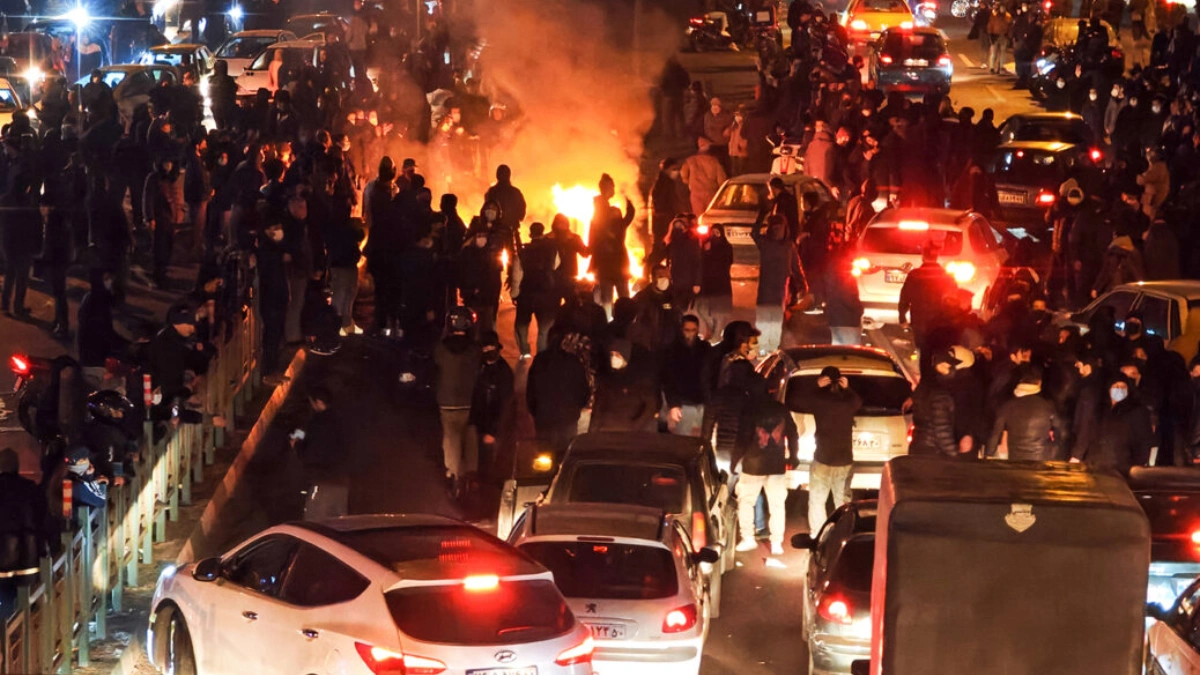
The recent U.S. military strikes targeting Iran’s strategic infrastructure have significantly disrupted the country’s power and communications networks, causing widespread blackouts across several provinces. While these attacks have increased pressure on the Iranian government and exposed vulnerabilities in critical infrastructure, they have not triggered the large-scale public unrest that many analysts expected. Instead, the Iranian government has managed to maintain internal stability through a combination of strict security measures, emergency response efforts, and strong state messaging.
The situation highlights an important reality of modern conflict: damaging infrastructure may weaken a nation’s capabilities, but it does not necessarily translate into immediate political instability or popular uprisings. Iran’s response demonstrates the resilience of both its government and society during periods of external pressure.
Background: Escalation Between the United States and Iran
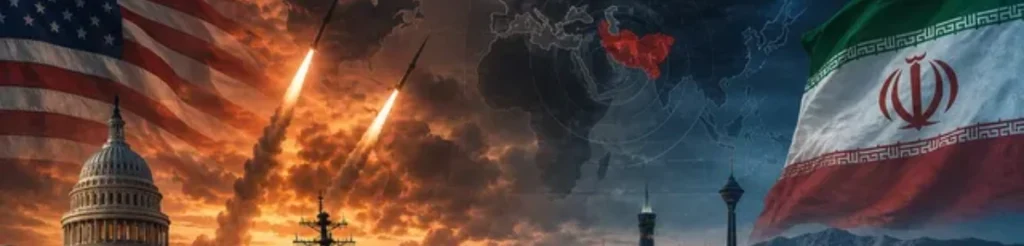
Relations between the United States and Iran have experienced repeated periods of tension over the past several decades. Disputes surrounding Iran’s nuclear program, regional influence, sanctions, and support for allied armed groups have frequently brought both nations close to direct confrontation.
The latest escalation follows a series of military exchanges involving U.S. forces and Iranian-backed groups in the Middle East. Washington argued that its strikes were designed to degrade military capabilities and strategic infrastructure rather than target civilians. Among the facilities reportedly affected were power distribution networks, communication hubs, and energy-related infrastructure.
These attacks immediately affected electricity supplies across multiple Iranian cities, resulting in prolonged blackouts, internet disruptions, and interruptions to essential services.
Blackouts Spread Across Multiple Regions
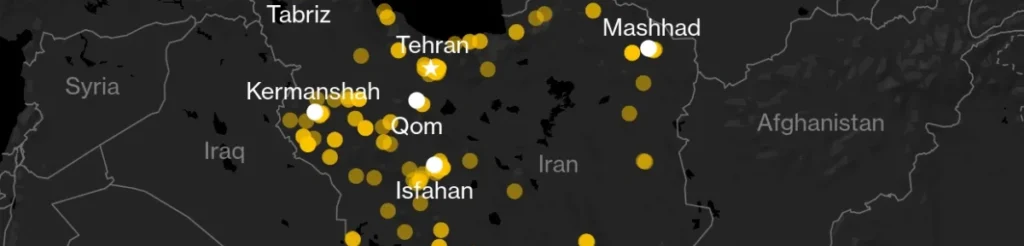
Following the strikes, several regions reported significant disruptions to electricity. Power outages affected residential neighborhoods, industrial facilities, transportation systems, and communication networks.
Some of the immediate consequences included:
- Traffic signal failures causing transportation delays.
- Internet and mobile communication interruptions.
- Temporary shutdowns of manufacturing plants.
- Reduced hospital backup capacity.
- Disruptions to banking and payment systems.
- Water supply interruptions in some urban areas.
The outages varied from short-term interruptions lasting several hours to extended blackouts in strategically important locations.
Iranian authorities mobilized emergency engineering teams to restore damaged substations and transmission lines. Backup generators were deployed to hospitals, airports, military installations, and government facilities to minimize the impact.
Economic Consequences

Electricity is the backbone of every modern economy. Even temporary disruptions can have significant financial consequences.
The blackouts affected:
Industrial Production
Many factories temporarily suspended operations due to unstable electricity supplies. Manufacturing sectors including steel, petrochemicals, automotive production, and cement experienced reduced output.
Small Businesses
Retail stores, restaurants, and service providers struggled with payment processing systems and refrigeration failures. Many businesses experienced financial losses during the outages.
Financial Markets
Although Iran’s financial system continued operating, concerns about infrastructure security increased uncertainty among investors and businesses.
Oil and Gas Sector
Iran’s energy infrastructure remained a critical concern. While major production facilities continued operating, logistical disruptions increased operational costs and slowed exports.
Why Large-Scale Public Unrest Did Not Occur
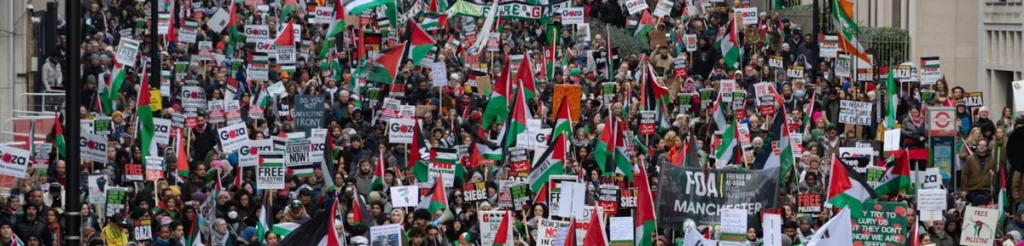
Many observers predicted that prolonged blackouts might trigger nationwide protests similar to previous demonstrations driven by economic hardship or fuel price increases. However, widespread unrest failed to materialize.
Several factors explain this outcome.
Strong Security Presence
Iran rapidly increased security deployments in major cities.
Police, Revolutionary Guard units, and local security organizations increased patrols around government buildings, transportation hubs, and critical infrastructure.
The visible security presence discouraged attempts to organize mass demonstrations.
National Unity During External Threats
External military attacks often create a “rally-around-the-flag” effect.
Rather than blaming domestic leadership immediately, many citizens viewed the infrastructure damage as the result of foreign aggression.
National solidarity temporarily overshadowed political disagreements.
Government Control Over Information
Authorities maintained tight control over media coverage and online communications.
Temporary internet restrictions limited the rapid spread of protest calls through social media platforms.
State television emphasized national resilience while highlighting repair efforts and emergency assistance.
Previous Experience With Sanctions
Iranian society has endured decades of economic sanctions, inflation, shortages, and external pressure.
Many citizens have developed coping mechanisms for dealing with disruptions in daily life, reducing the likelihood that temporary blackouts alone would spark nationwide unrest.
Humanitarian Challenges
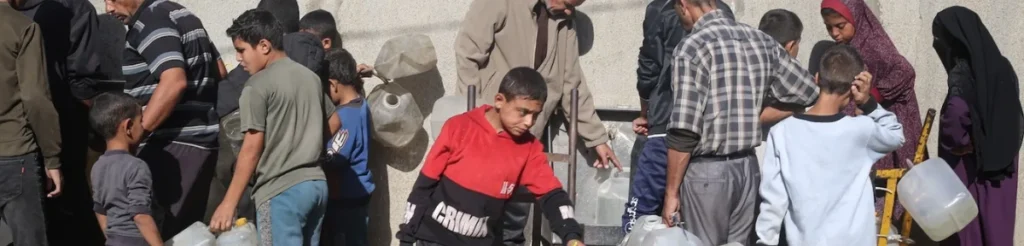
Although widespread protests did not emerge, ordinary citizens faced significant hardships.
Families experienced:
- Loss of refrigeration for food and medicines.
- Limited access to online education.
- Reduced internet connectivity.
- Increased transportation difficulties.
- Higher fuel consumption from generators.
- Challenges for elderly and medically vulnerable individuals.
Hospitals relied heavily on backup generators, while emergency services prioritized maintaining electricity for intensive care units and critical medical equipment.
Iran’s Emergency Response
Iranian authorities responded by activating emergency infrastructure recovery plans.
Key measures included:
- Repairing damaged transmission lines.
- Deploying mobile power generation units.
- Prioritizing electricity restoration for hospitals.
- Protecting fuel distribution systems.
- Increasing cybersecurity monitoring.
- Coordinating repair teams across affected provinces.
Officials stated that essential government services remained operational despite localized disruptions.
International Reactions
The strikes generated mixed reactions from the international community.
Some countries expressed support for U.S. efforts to counter perceived regional security threats.
Others warned that attacks on critical infrastructure risk escalating regional conflict and increasing humanitarian suffering.
International organizations emphasized the importance of protecting civilian infrastructure during armed conflicts.
Several governments urged both Washington and Tehran to exercise restraint and avoid actions that could lead to broader military confrontation.
Military Versus Political Objectives
Military analysts note that infrastructure attacks often aim to reduce an opponent’s operational capabilities rather than immediately force political change.
Power outages can disrupt:
- Military communications.
- Air defense coordination.
- Industrial production.
- Transportation logistics.
- Intelligence networks.
However, history suggests that infrastructure damage alone rarely causes governments to collapse.
Political stability depends on numerous factors including:
- Public confidence.
- Security institutions.
- Economic resilience.
- Government legitimacy.
- International support.
Iran continues to retain functioning state institutions despite infrastructure challenges.
Could Public Opinion Change?
While immediate unrest has been limited, prolonged infrastructure damage could gradually affect public attitudes.
If blackouts become frequent or long-lasting, citizens may become increasingly frustrated over:
- Rising living costs.
- Business closures.
- Employment losses.
- Declining public services.
- Inflation.
Economic hardship has historically been one of the strongest drivers of protests inside Iran.
However, as long as the government can restore essential services relatively quickly, widespread unrest may remain unlikely.
Regional Security Implications
The attacks also carry broader regional consequences.
Neighboring countries are closely monitoring developments because further escalation could threaten:
- Global oil supplies.
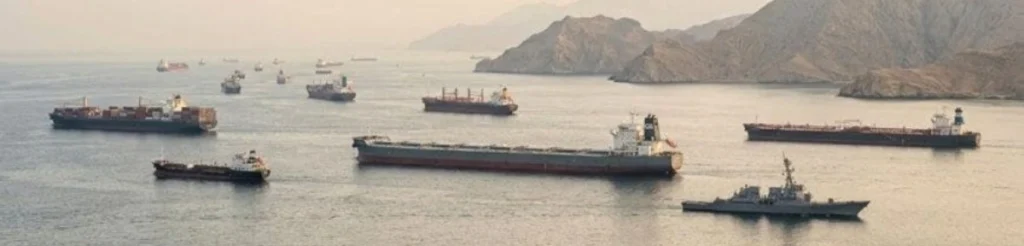
- Maritime shipping routes.
- Energy markets.
- Regional investment.
- International trade.
Any prolonged conflict involving Iran has the potential to affect economies far beyond the Middle East.
The Future Outlook
Much depends on whether further military strikes occur and how quickly Iran restores damaged infrastructure.
Several possible scenarios remain:
- Rapid Recovery: Power systems are repaired, reducing public frustration and restoring economic activity.
- Continued Disruptions: Repeated attacks prolong blackouts and increase pressure on the government.
- Diplomatic De-escalation: International mediation reduces tensions and prevents further infrastructure damage.
- Broader Conflict: Additional military exchanges expand beyond infrastructure targets, increasing regional instability.
At present, Iran appears focused on restoring essential services while maintaining domestic stability and strengthening defenses against future attacks.
Conclusion
The recent U.S. strikes have undoubtedly intensified pressure on Iran by damaging critical infrastructure and causing widespread blackouts. Nevertheless, the expected wave of nationwide unrest has not materialized. Iran’s security apparatus, emergency response capabilities, information controls, and the public’s experience coping with years of sanctions have all contributed to maintaining internal order despite significant disruptions.
The episode illustrates that modern warfare extends far beyond conventional battlefields, targeting infrastructure that underpins everyday life. Yet it also demonstrates that infrastructure damage alone is not enough to trigger immediate political upheaval. The longer-term impact will depend on Iran’s ability to restore services, manage economic pressures, and navigate an increasingly volatile regional security environment.