
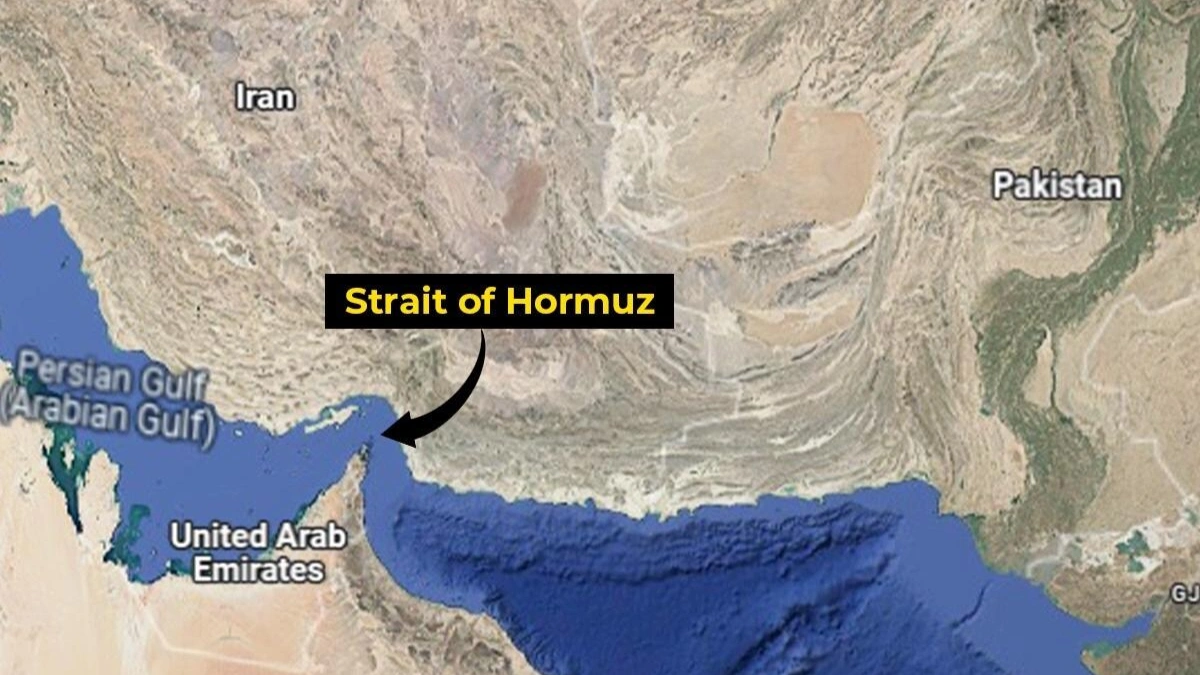
The Strait of Hormuz has long been considered one of the most strategically important waterways in the world. Connecting the Persian Gulf to the Gulf of Oman and the Arabian Sea, this narrow passage serves as a critical route for global energy supplies. Nearly one-fifth of the world’s oil consumption passes through the strait, making it a vital artery for international trade and energy security.
In recent months, reports and concerns about oil disruptions, accidental spills, tanker incidents, and regional tensions have led analysts to describe the situation as the Strait of Hormuz “leaking” oil. While the phrase is often used figuratively, it reflects growing concerns about the vulnerability of global oil supplies and the potential consequences of instability in the region.
Why the Strait of Hormuz Matters
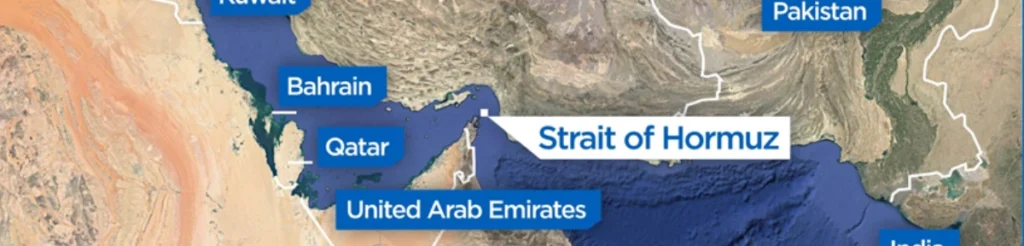
The Strait of Hormuz is located between Iran and Oman and is only about 33 kilometers wide at its narrowest point. Despite its small size, it carries an enormous volume of oil and natural gas exports from major producers such as Saudi Arabia, Iraq, the United Arab Emirates, Kuwait, and Qatar.
Every day, millions of barrels of crude oil pass through the strait on their way to markets in Asia, Europe, and North America. Countries such as China, India, Japan, and South Korea rely heavily on these shipments to meet their energy needs.
Because so much of the world’s oil travels through this single chokepoint, even minor disruptions can have significant effects on energy prices and global markets.
What Does “Leaking” Oil Mean?
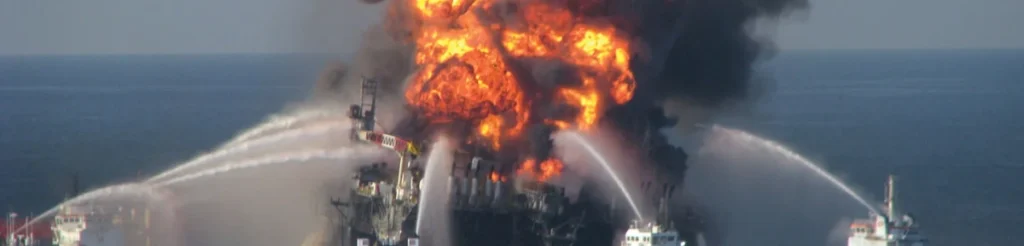
The phrase “leaking oil” can refer to several different concerns.
First, there are actual oil spills caused by accidents involving tankers, pipelines, or offshore facilities. Such incidents can release crude oil into surrounding waters, creating environmental challenges and threatening marine ecosystems.
Second, the term can describe disruptions that reduce the efficiency of oil transportation. Delays, security threats, and rising insurance costs effectively “leak” value from the global energy supply chain.
Third, it may symbolize the gradual loss of confidence among investors and traders who worry about the stability of the region. When uncertainty grows, oil markets react quickly, often pushing prices higher.
Rising Geopolitical Tensions
The Strait of Hormuz has frequently been at the center of geopolitical disputes. Tensions between Iran and Western nations, regional rivalries, and military activities have all contributed to concerns about the waterway’s security.
Whenever political disagreements escalate, shipping companies become cautious. Tanker operators may alter routes, increase security measures, or delay shipments. These actions can slow the flow of oil and increase transportation costs.
In recent years, incidents involving commercial vessels, drone activity, and military exercises have heightened fears that the strait could become a flashpoint during periods of conflict.
Even if shipping continues without interruption, the mere possibility of disruption can influence global oil prices.
Impact on Global Oil Prices
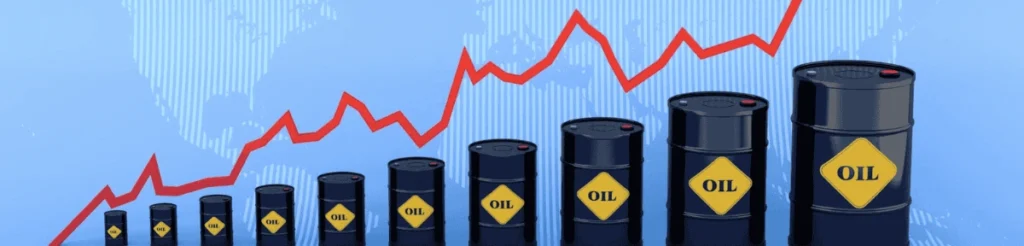
Oil markets are highly sensitive to risk.
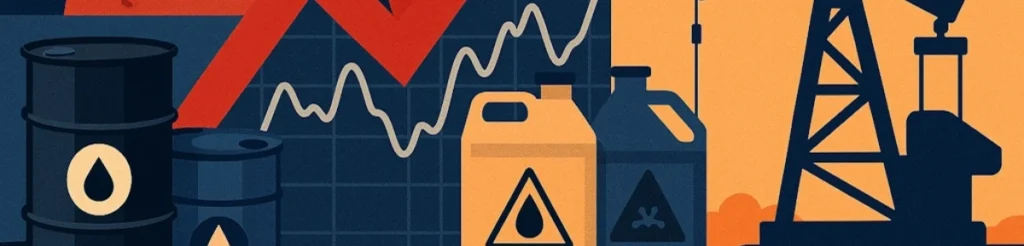
When traders believe supplies could be threatened, they often buy oil futures in anticipation of shortages. This increased demand can drive prices upward, even before any actual disruption occurs.
A significant interruption in the Strait of Hormuz could remove millions of barrels of oil from the global market. Such a scenario would likely result in a sharp increase in fuel prices worldwide.
Higher oil prices affect more than just gasoline. Transportation, manufacturing, agriculture, and countless other industries depend on energy. As fuel costs rise, businesses often pass those expenses on to consumers, contributing to inflation.
This is why developments in the Strait of Hormuz receive such close attention from governments, businesses, and investors around the world.
Environmental Concerns

Beyond economic implications, actual oil leaks pose serious environmental risks.
Crude oil spills can damage marine habitats, harm fish populations, and threaten coastal communities that depend on fishing and tourism. Cleanup efforts are often expensive and time-consuming.
The Persian Gulf is particularly vulnerable because it is a relatively enclosed body of water. Oil contamination can remain in the environment for extended periods, affecting ecosystems for years.
Environmental organizations have repeatedly emphasized the importance of preventing spills and strengthening safety standards for vessels operating in the region.
Alternative Routes and Their Limitations

Recognizing the strategic importance of the Strait of Hormuz, some Gulf countries have invested in alternative export routes.
Saudi Arabia operates pipelines that can transport oil to ports on the Red Sea. The United Arab Emirates has developed infrastructure allowing some exports to bypass the strait.
However, these alternatives cannot fully replace the massive volume of oil that normally passes through Hormuz. The strait remains the most efficient and cost-effective route for many producers.
As a result, global energy markets continue to depend heavily on the uninterrupted operation of this narrow waterway.
The Role of Major Powers

Because of its importance, the Strait of Hormuz attracts attention from major global powers.
The United States has maintained a military presence in the region for decades, citing the need to protect freedom of navigation and secure energy supplies. Other countries also monitor developments closely due to their economic interests.
China, which imports large amounts of Middle Eastern oil, has a strong interest in maintaining stability in the region. European nations similarly support efforts to ensure safe maritime transportation.
International cooperation often plays a key role in preventing conflicts and keeping shipping lanes open.
What Could Happen Next?
The future of the Strait of Hormuz depends largely on regional diplomacy and security conditions.
If tensions ease and cooperation improves, shipping can continue smoothly, helping stabilize oil markets and reassure investors.
However, any escalation involving military confrontation, sanctions, or attacks on commercial vessels could quickly reignite concerns about supply disruptions.
Energy analysts continue to monitor developments closely because even small incidents can have global consequences.
The increasing focus on renewable energy and diversification of supply sources may gradually reduce dependence on the strait over the long term. Nevertheless, oil and natural gas remain essential components of the global energy mix, ensuring that Hormuz will remain strategically important for years to come.
Conclusion
The Strait of Hormuz is far more than a narrow stretch of water. It is one of the world’s most critical energy chokepoints, connecting major oil-producing nations to global markets.
Whether the phrase “leaking oil” refers to actual spills, supply disruptions, or economic uncertainty, it highlights the vulnerability of a system that millions of people depend on every day. Rising geopolitical tensions, environmental concerns, and market volatility have all drawn renewed attention to the region.
As governments, businesses, and investors watch developments closely, one thing remains clear: the stability of the Strait of Hormuz continues to play a crucial role in shaping global energy security and economic confidence.