
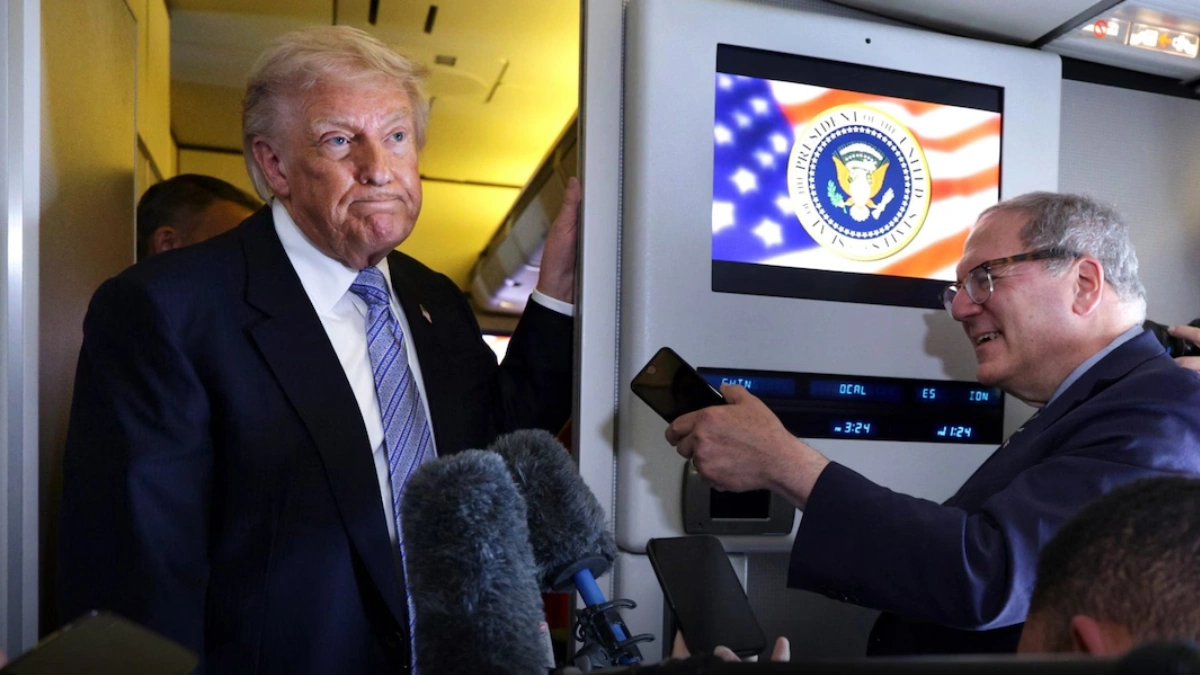
The conflict between the United States and Iran has entered a new and uncertain phase. What began as a demonstration of military strength and political resolve has evolved into a complex struggle involving diplomacy, economic pressure, regional alliances, and global security concerns. While Iran appears increasingly confident in its ability to withstand pressure, many analysts warn that overconfidence could become a strategic mistake. At the same time, critics argue that President Donald Trump’s handling of the crisis has transformed what was intended to be a show of strength into a prolonged and costly geopolitical challenge.
The situation highlights a dangerous reality: both sides may be miscalculating their positions. Iran believes it has survived the worst of the pressure campaign, while Washington continues to insist that it retains significant leverage. The result is a standoff that risks producing further instability across the Middle East.
Iran’s Growing Confidence
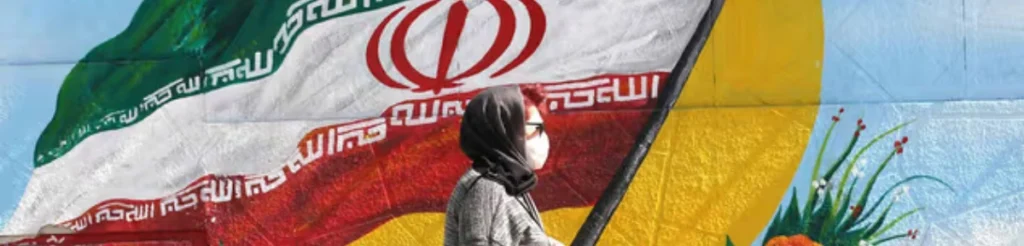
Despite facing military strikes, economic sanctions, and diplomatic isolation, Iran has demonstrated a remarkable ability to endure pressure. Tehran’s leadership argues that its resilience proves the effectiveness of its long-term strategy. The country’s political establishment has repeatedly portrayed survival itself as a victory.
Iran’s confidence stems from several factors:
- The ability to maintain internal political control.
- Continued influence through regional allies.
- Survival despite economic hardship.
- The perception that Washington is reluctant to pursue a larger conflict.
Some observers believe Iranian leaders see recent events as evidence that they can outlast American pressure and eventually negotiate from a stronger position. However, confidence can become dangerous when it turns into complacency or strategic overreach.
The Risk of Strategic Miscalculation
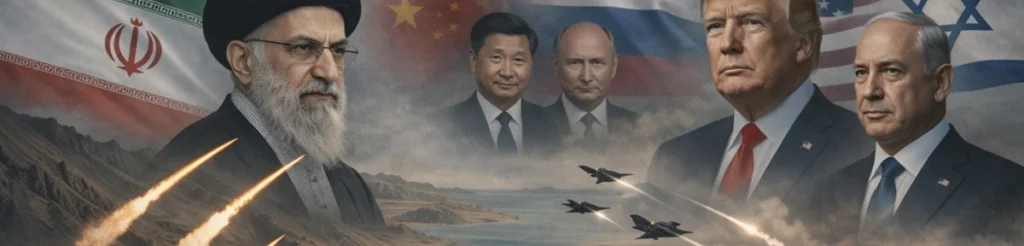
History is filled with examples of nations that confused survival with victory. While Iran has avoided collapse, its economy continues to face serious challenges, and its infrastructure has experienced significant strain during the conflict.
A key concern is that Iranian leaders may overestimate their leverage. If Tehran assumes that Washington will always avoid escalation, it could take actions that provoke a stronger response than anticipated.
Strategic analysts frequently warn that prolonged confrontations often escalate not because either side wants war, but because each side believes the other will back down first. This dynamic creates opportunities for dangerous miscalculations.
Trump’s War Strategy Under Fire
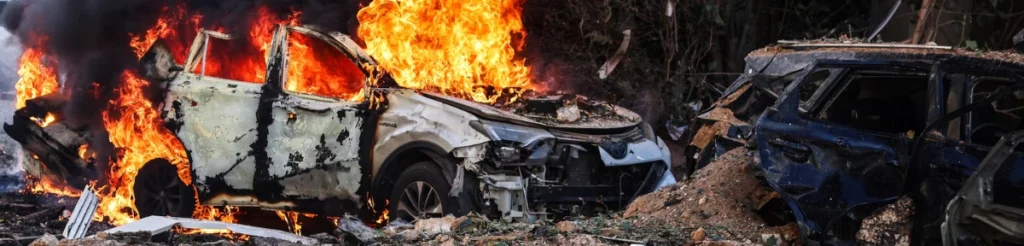
President Trump entered the confrontation promising decisive results. Supporters argued that a tougher approach would force Iran to change its behavior and return to negotiations under more favorable conditions.
However, critics contend that the strategy has produced mixed results.
Several commentators argue that the conflict has become increasingly difficult to manage, with objectives shifting over time and no clear long-term resolution in sight. While military operations may have achieved tactical successes, questions remain about whether they have delivered lasting strategic gains.
Critics point to several challenges:
- Rising economic uncertainty.
- Disruptions to global trade routes.
- Increased regional tensions.
- Questions about the ultimate endgame.
These concerns have led some observers to describe the conflict as a geopolitical quagmire rather than a decisive victory.
The Economic Battlefield
One of the most significant aspects of the conflict has been economic warfare. Sanctions, trade restrictions, and financial pressure have become central tools in Washington’s strategy.
Iran’s economy has suffered considerably, but the pressure has not produced the political transformation many policymakers expected. Instead, Iranian leaders have used external pressure to strengthen nationalist sentiment and rally domestic support.
At the same time, the broader global economy has also felt the impact. Concerns over energy supplies, shipping routes, and market stability have created uncertainty far beyond the Middle East.
This economic dimension means that the conflict affects not only the two primary participants but also businesses, governments, and consumers worldwide.
Regional Implications
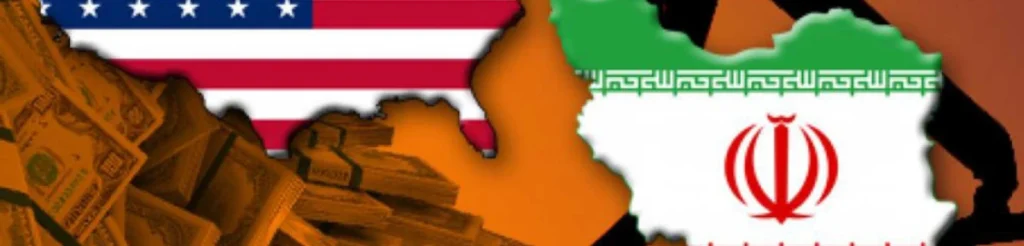
The confrontation extends well beyond the borders of Iran and the United States.
Countries across the Middle East are closely monitoring developments because any escalation could affect regional security. Allies and partners on both sides are attempting to balance their own interests while avoiding direct involvement.
Regional actors face difficult questions:
- How long can tensions continue without broader escalation?
- Will diplomacy eventually prevail?
- Could another major incident reignite open conflict?
These uncertainties contribute to an environment where even small events can have disproportionate consequences.
The Diplomacy Dilemma
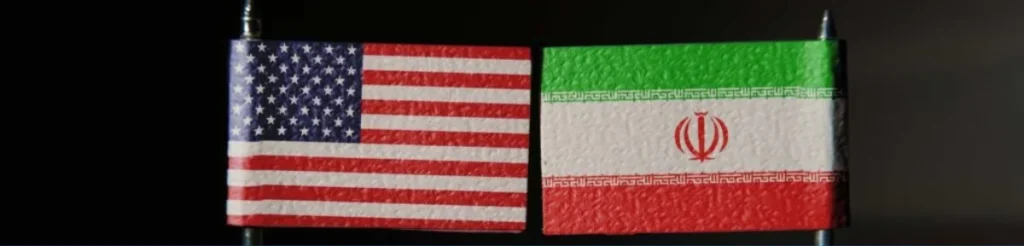
Despite harsh rhetoric from both sides, diplomacy remains an essential part of the equation.
Negotiations continue to surface periodically, with each side attempting to secure favorable terms. Yet deep mistrust remains a major obstacle.
Washington seeks assurances regarding security concerns, while Tehran wants relief from economic pressure and guarantees against future actions.
The challenge is that both governments must balance international negotiations with domestic political considerations. Any agreement perceived as a concession could face criticism at home.
As a result, diplomacy often advances slowly, even when both sides recognize the risks of continued confrontation.
Why Confidence Can Become Folly
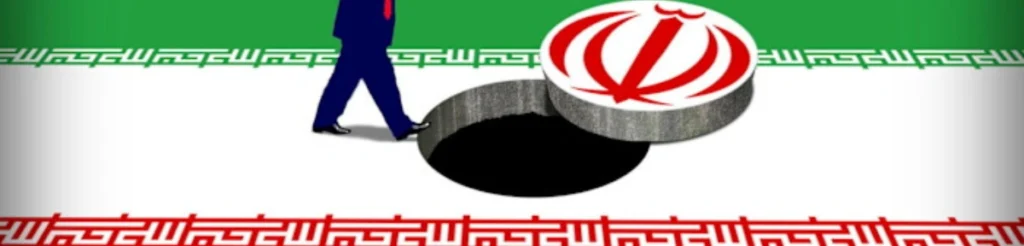
The greatest danger for Iran may not be military weakness or economic pressure. It may be the belief that recent survival guarantees future success.
Confidence is valuable in international politics, but excessive confidence can lead leaders to underestimate risks, ignore warning signs, and pursue increasingly aggressive strategies.
If Tehran concludes that it holds all the leverage, it may take actions that provoke stronger reactions from its adversaries. Such a miscalculation could undo many of the gains Iran believes it has achieved.
Similarly, Washington risks repeating its own mistakes if it assumes pressure alone can produce lasting political outcomes.
Both sides face the challenge of distinguishing confidence from overconfidence.
What Happens Next?
The future of the conflict remains uncertain.
Several scenarios are possible:
- Continued negotiations leading to a limited agreement.
- A prolonged stalemate with periodic tensions.
- Renewed military escalation following a major incident.
- Gradual de-escalation through diplomatic engagement.
Most analysts believe neither side wants a full-scale war. However, history shows that conflicts often expand because of miscalculations rather than deliberate decisions.
The coming months will likely determine whether diplomacy can overcome distrust or whether the cycle of confrontation continues.
Conclusion
Iran’s resilience has undoubtedly strengthened its confidence, but confidence can become a liability when it evolves into strategic arrogance. The belief that survival equals victory may encourage decisions that increase rather than reduce risk.
At the same time, critics argue that Trump’s approach has produced an increasingly complicated and expensive confrontation without delivering a definitive resolution. What was intended as a demonstration of strength has become a prolonged geopolitical struggle marked by uncertainty and competing narratives.
Ultimately, the danger lies not only in military action but in miscalculation. If either side overestimates its position, the consequences could extend far beyond the Middle East, affecting global markets, international security, and diplomatic stability for years to come.