
When people hear about tensions in the Strait of Hormuz, the first thing that comes to mind is usually oil. The narrow waterway between Iran and Oman handles a significant portion of the world’s oil and liquefied natural gas shipments, making it one of the most strategically important maritime routes on the planet. Any disruption there immediately sparks concerns about fuel prices, energy security, and global economic stability.
However, the latest crisis surrounding the Strait of Hormuz has revealed something unexpected. While energy markets remain a major concern, the disruption of shipping routes is creating shortages in products and industries that many people never associated with the region. From electronics and pharmaceuticals to food ingredients and manufacturing components, the effects are spreading far beyond oil.
The situation highlights how interconnected the modern global economy has become and how a disruption in one narrow shipping corridor can create ripple effects across industries worldwide.
Why the Strait of Hormuz Matters
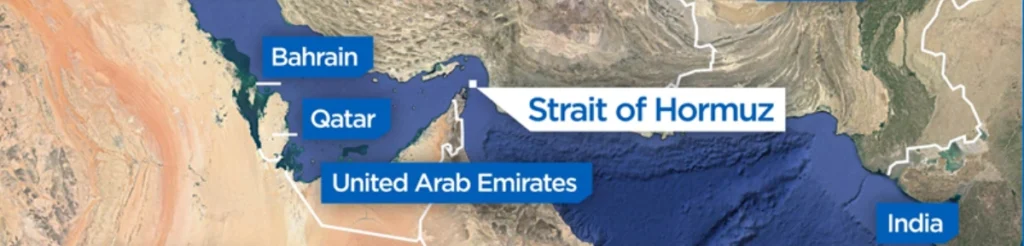
The Strait of Hormuz is a narrow passage connecting the Persian Gulf to the Arabian Sea. It serves as a critical route for cargo ships transporting goods from Gulf countries to international markets.
Every day, thousands of vessels pass through the strait carrying:
- Crude oil
- Natural gas
- Petrochemicals
- Industrial materials
- Consumer goods
- Manufacturing components
Because many global supply chains depend on these shipments, even temporary disruptions can affect industries across multiple continents.
When tensions rise in the region, shipping companies often increase security measures, reroute vessels, or delay departures. These actions can create bottlenecks that impact far more than the energy sector.
Unexpected Impact on Electronics

One surprising consequence of shipping disruptions has been delays in electronic manufacturing.
Modern electronics rely on a vast network of suppliers spread across different countries. Many essential materials used in semiconductors, batteries, and electronic components pass through Gulf shipping routes at some stage of production.
When transportation slows down, manufacturers may face shortages of:
- Industrial chemicals
- Specialty metals
- Electronic components
- Battery materials
Even a small delay can disrupt production schedules, particularly for industries that operate with limited inventory.
As a result, consumers may experience longer wait times for certain electronic products, while manufacturers face increased production costs.
Pharmaceutical Supply Concerns

The healthcare sector has also been affected in unexpected ways.
Many pharmaceutical products depend on ingredients sourced globally. Some raw materials and chemical compounds used in medicine production travel through shipping networks connected to the Gulf region.
Shipping disruptions can create challenges such as:
- Delayed deliveries of active ingredients
- Increased transportation costs
- Reduced inventory levels
- Production slowdowns
Although most healthcare systems maintain emergency reserves, prolonged disruptions can place additional pressure on pharmaceutical supply chains.
This demonstrates how geopolitical tensions can indirectly affect sectors that appear unrelated to regional conflicts.
Food Industry Feeling the Pressure

The food industry is another area experiencing unexpected consequences.
Many food manufacturers depend on imported ingredients, packaging materials, and processing chemicals. Delays in shipping can disrupt production schedules and increase costs.
Products potentially affected include:
- Packaged foods
- Cooking oils
- Food additives
- Agricultural supplies
- Fertilizers
Fertilizer shipments are particularly important because they influence agricultural productivity. Any disruption in fertilizer availability can eventually impact food production and prices.
While supermarket shelves may not immediately appear affected, supply chain pressures often emerge gradually over time.
Automotive Manufacturing Challenges

The automotive industry operates through highly coordinated global supply chains.
Modern vehicles require thousands of individual components sourced from suppliers around the world. Delays affecting even a small number of parts can slow production.
Manufacturers have reported concerns regarding:
- Specialized metals
- Petrochemical products
- Industrial plastics
- Electronic systems
- Battery materials
As transportation costs increase, vehicle production expenses may rise as well, potentially affecting prices for consumers.
The situation illustrates how dependent modern manufacturing has become on uninterrupted international trade routes.
Rising Shipping Costs
Perhaps the most immediate impact of the Strait of Hormuz crisis has been the increase in shipping expenses.
Shipping companies face higher costs due to:
Increased Insurance Premiums
Operating in regions with heightened security risks often results in higher insurance costs for vessels and cargo.
Security Measures
Additional security protocols increase operational expenses.
Route Adjustments
Some vessels may choose longer routes to reduce risk exposure.
Delays at Ports
Congestion and inspections can extend delivery times.
These additional expenses are frequently passed along the supply chain, ultimately affecting businesses and consumers.
Impact on Small Businesses

Large multinational corporations often have extensive resources and alternative suppliers. Small businesses, however, are generally more vulnerable to supply chain disruptions.
Challenges include:
- Higher material costs
- Longer delivery times
- Reduced inventory availability
- Cash flow pressures
For businesses operating with narrow profit margins, even modest increases in transportation expenses can create significant difficulties.
This makes geopolitical events thousands of miles away relevant to local businesses across the globe.
Financial Markets React

Investors closely monitor developments in the Strait of Hormuz because disruptions can affect multiple sectors simultaneously.
Financial markets often respond to concerns involving:
- Energy prices
- Shipping companies
- Manufacturing industries
- Consumer goods sectors
- Transportation firms
Market volatility tends to increase during periods of uncertainty as investors attempt to assess potential economic impacts.
While energy remains a central focus, recent events have highlighted broader concerns regarding supply chain resilience.
Lessons About Globalization

The current crisis underscores an important reality of the modern economy: industries are more interconnected than ever before.
A disruption in one region can affect businesses and consumers worldwide because:
- Supply chains cross multiple countries
- Manufacturing depends on global sourcing
- Transportation networks are interconnected
- Industries rely on just-in-time inventory systems
This interconnectedness creates efficiency during stable periods but can also increase vulnerability during disruptions.
Many companies are now re-evaluating supply chain strategies to improve resilience and reduce dependence on single transportation routes.
Could Shortages Get Worse?

The answer largely depends on how long tensions persist.
Short-term disruptions can often be managed through inventory reserves and alternative shipping arrangements. However, prolonged instability increases the likelihood of broader shortages and higher costs.
Potential future challenges include:
- Greater transportation delays
- Higher production expenses
- Reduced product availability
- Increased consumer prices
Governments, shipping companies, and businesses continue to monitor the situation closely in an effort to minimize disruptions.
Conclusion
For decades, discussions about the Strait of Hormuz have focused primarily on oil. While energy security remains critically important, the current crisis reveals a much broader reality. Modern global supply chains are so interconnected that disruptions in a single maritime corridor can affect industries ranging from electronics and pharmaceuticals to food production and automotive manufacturing.
The unexpected shortages emerging from the crisis demonstrate how dependent the world has become on efficient international trade routes. As businesses and governments adapt, the situation serves as a reminder that geopolitical tensions often produce consequences far beyond their most obvious effects.
The Strait of Hormuz may still be known as one of the world’s most important oil routes, but recent events show that its influence extends into nearly every corner of the global economy.