
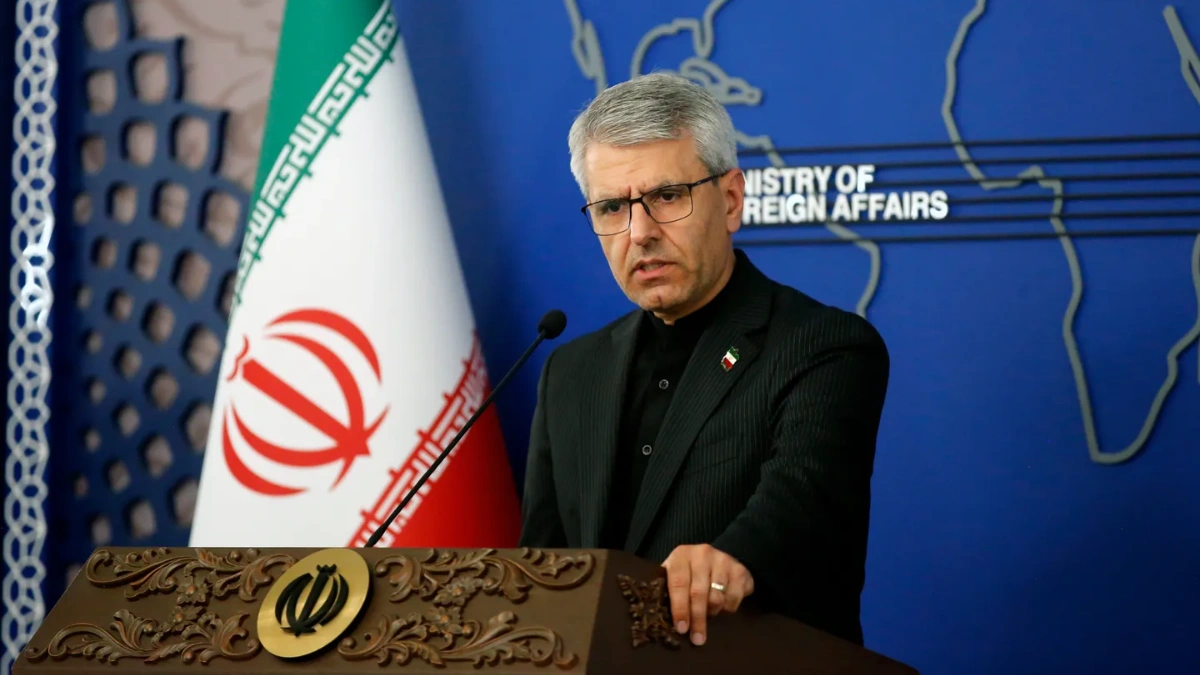
Tensions between Iran and the United States remain one of the most closely watched geopolitical issues in the Middle East. In a significant diplomatic development, Iran’s Foreign Ministry has stated that it is working with regional and international mediators to prevent further escalation with the United States. The announcement reflects growing efforts to reduce tensions, avoid military confrontation, and maintain regional stability amid ongoing political and security challenges.
While disagreements between Tehran and Washington continue over issues such as sanctions, nuclear activities, and regional influence, diplomatic channels remain active. The latest comments suggest that both direct and indirect efforts are underway to prevent misunderstandings from turning into a broader conflict.
Diplomatic Efforts Gain Momentum

According to Iran’s Foreign Ministry, several friendly nations and diplomatic intermediaries are engaged in facilitating communication between Tehran and Washington. These mediators are reportedly encouraging restraint from both sides while exploring opportunities for dialogue.
Although Iran and the United States do not maintain formal diplomatic relations, indirect negotiations have often been conducted through third-party countries and international organizations. Nations such as Oman, Qatar, and Switzerland have historically played important roles in conveying messages and helping ease tensions during periods of crisis.
Iran emphasized that preventing conflict serves the interests of regional peace and international security. Officials reiterated that diplomacy remains the preferred path for resolving disputes.
Why Tensions Remain High
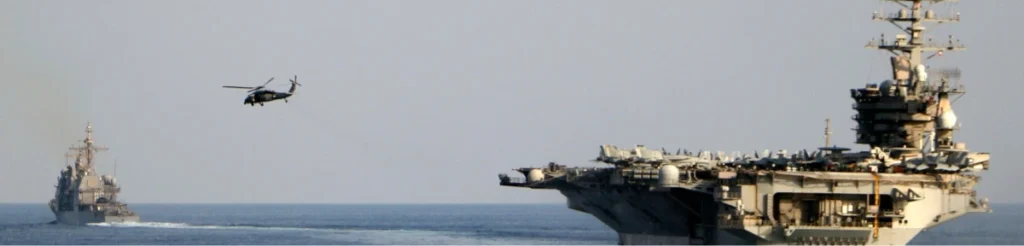
Relations between Iran and the United States have faced numerous challenges over the past several decades. The primary issues include:
- Economic sanctions imposed on Iran.
- Concerns over Iran’s nuclear program.
- Military activities in the Persian Gulf.
- Regional security and proxy conflicts.
- Political disagreements over Middle East policies.
Each of these issues has contributed to periodic spikes in tensions, raising fears of military confrontation that could impact not only the two countries but the wider region.
The Role of Regional Mediators
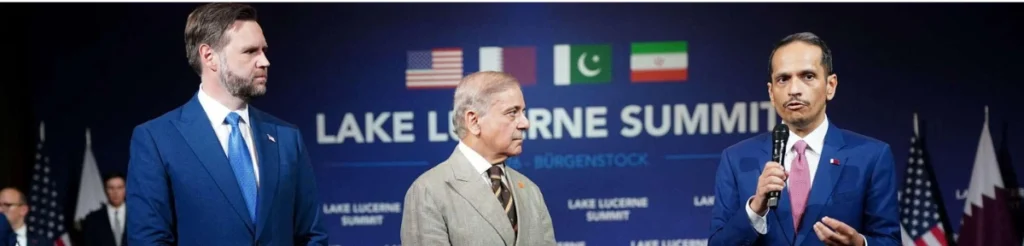
Regional mediators play a critical role in preventing misunderstandings and maintaining communication during times of heightened tension. Countries with diplomatic relationships with both Iran and the United States often act as neutral intermediaries.
Their responsibilities include:
- Delivering diplomatic messages.
- Encouraging de-escalation.
- Supporting negotiations.
- Building confidence between both parties.
- Facilitating humanitarian discussions.
These mediation efforts are especially valuable because direct communication between Tehran and Washington remains limited.
Nuclear Negotiations Continue to Influence Relations
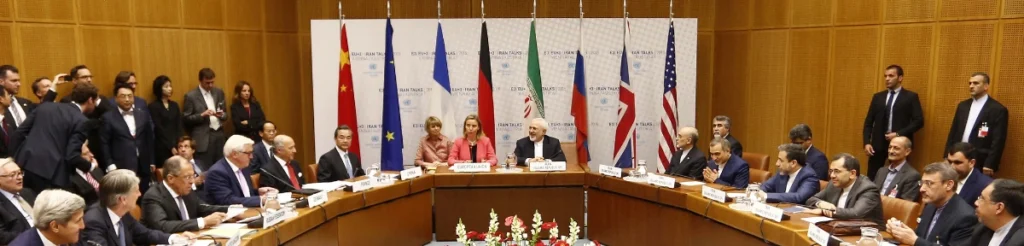
Iran’s nuclear program continues to be one of the most sensitive issues in its relationship with the United States and Western nations.
International discussions have focused on ensuring that Iran’s nuclear activities remain peaceful while also addressing Tehran’s demand for sanctions relief.
Although previous negotiations have experienced setbacks, diplomats continue searching for solutions that could satisfy both security concerns and Iran’s economic interests.
Progress in nuclear diplomacy could significantly improve broader relations and reduce regional tensions.
Economic Pressure Remains a Key Issue

International sanctions have placed considerable pressure on Iran’s economy over recent years.
The sanctions have affected:
- Oil exports.
- Banking transactions.
- Foreign investment.
- International trade.
- Currency stability.
Iran has consistently argued that sanctions negatively impact ordinary citizens while limiting economic development.
Any diplomatic breakthrough could potentially create opportunities for easing economic restrictions, although such outcomes would require extensive negotiations and mutual agreements.
Regional Stability at Stake
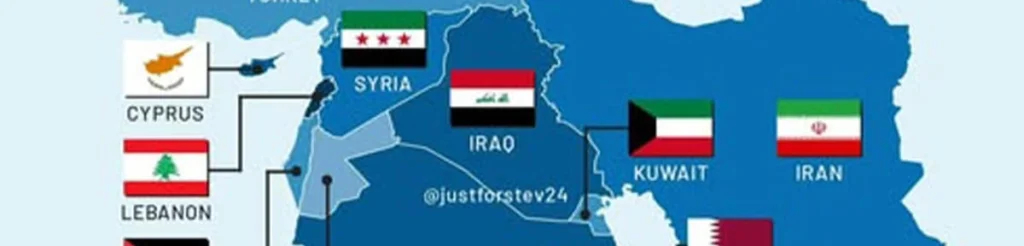
The Middle East remains one of the world’s most strategically important regions due to its energy resources, trade routes, and geopolitical importance.
Any military escalation between Iran and the United States could have wider consequences, including:
- Increased regional instability.
- Disruptions to global energy markets.
- Shipping challenges.
- Higher oil prices.
- Humanitarian concerns.
Because of these potential risks, many governments have urged both countries to exercise restraint and prioritize diplomacy.
International Community Encourages Dialogue
Several international organizations and governments have repeatedly emphasized the importance of peaceful conflict resolution.
Diplomatic dialogue remains widely viewed as the most effective way to address disagreements while avoiding unintended military escalation.
Global leaders continue encouraging:
- Open communication.
- Respect for international law.
- Confidence-building measures.
- Peaceful negotiations.
- Regional cooperation.
These efforts reflect the international community’s interest in maintaining stability throughout the Middle East.
Challenges Ahead
Despite ongoing diplomatic efforts, significant challenges remain.
Key obstacles include:
Mutual Distrust
Years of political disagreements have created deep mistrust between both governments, making negotiations difficult.
Security Concerns
Both countries continue expressing concerns regarding regional military activities and national security.
Political Differences
Domestic political considerations in both nations may influence the pace and direction of future negotiations.
Complex Regional Dynamics
Multiple regional actors and ongoing conflicts make diplomacy more complicated, requiring careful coordination among various stakeholders.
Signs of Hope
Despite these challenges, the decision to continue working through mediators represents an important signal that diplomacy remains active.
History has shown that indirect negotiations have previously helped reduce tensions during periods of heightened uncertainty.
Maintaining communication helps lower the risk of misunderstandings and provides opportunities for resolving disputes peacefully.
Impact on Global Markets
Financial markets closely monitor developments involving Iran and the United States.
News regarding diplomatic progress often influences:
- Global oil prices.
- Energy markets.
- Stock market sentiment.
- Shipping insurance costs.
- Investor confidence.
Reduced geopolitical tensions generally contribute to greater market stability, while increased uncertainty can lead to volatility.
What Comes Next?
The coming weeks will likely determine whether mediation efforts produce meaningful diplomatic progress.
Observers will closely watch for:
- Continued diplomatic meetings.
- Statements from both governments.
- Developments in nuclear discussions.
- Regional security initiatives.
- Possible confidence-building measures.
Although immediate breakthroughs may be unlikely, sustained diplomatic engagement can help reduce tensions and prevent further escalation.
Conclusion
Iran’s announcement that it is working with mediators to prevent escalation with the United States highlights the continued importance of diplomacy in addressing one of the world’s most complex geopolitical relationships. While disagreements over sanctions, nuclear issues, and regional security remain unresolved, ongoing mediation demonstrates that communication channels are still functioning.
The international community broadly supports efforts to reduce tensions through dialogue rather than confrontation. Successful diplomacy could contribute to greater regional stability, improved economic conditions, and reduced uncertainty in global energy markets. Although challenges remain significant, continued engagement through trusted mediators offers a constructive path toward managing disputes and avoiding further escalation.