
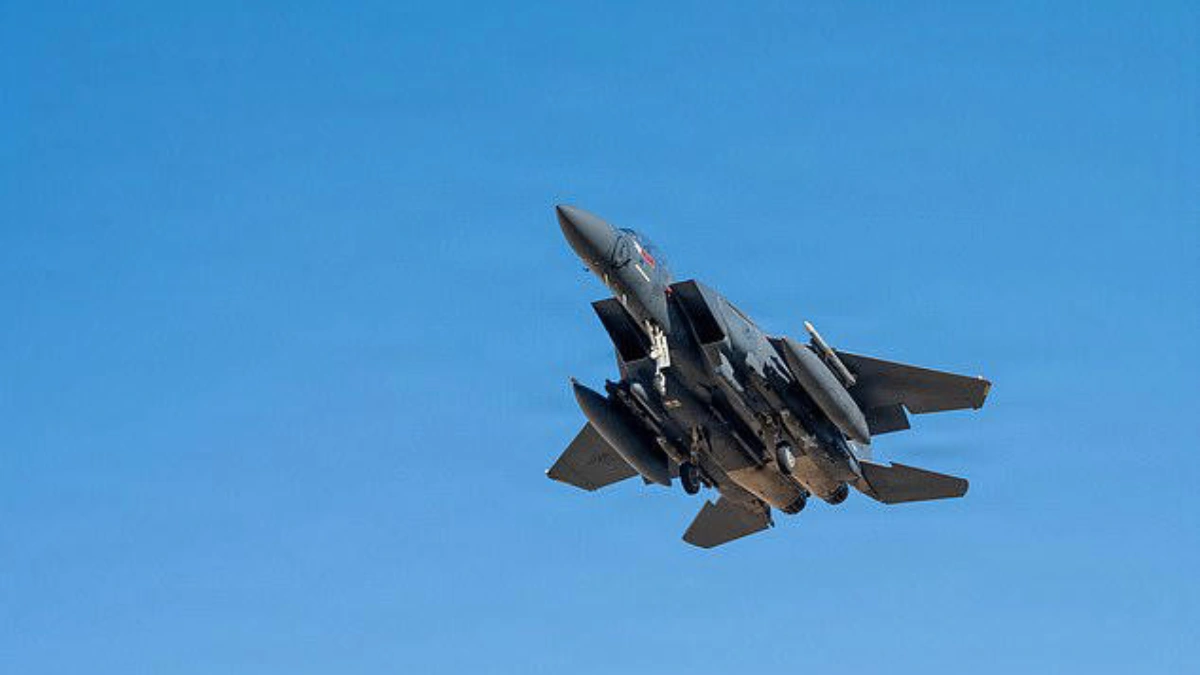
As tensions continue to rise in the Middle East, new voices are emerging from Iranian refugees who paint a more nuanced and human picture of the situation inside Iran. Despite political hostility and military confrontation, several refugees say that ordinary Iranian citizens would likely be willing to help downed airmen if they found them injured or stranded.
These claims highlight an important reality often overlooked during wartime — that civilians frequently separate humanitarian values from political conflict.
Growing Conflict and Rising Concerns
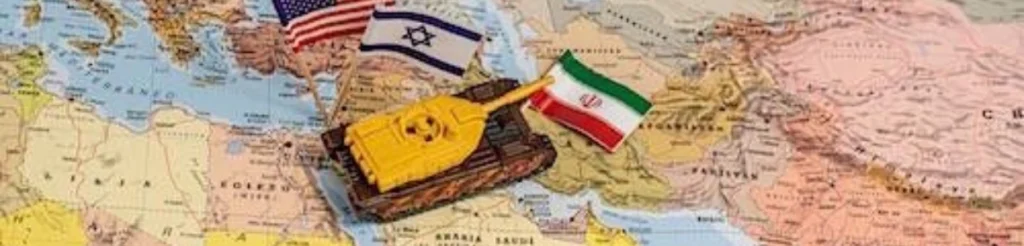
Recent developments in the Middle East have heightened fears of further escalation. Reports of military strikes, airspace violations, and downed aircraft have increased concerns about the safety of pilots operating in the region. Whenever aircraft are shot down or forced to land, the fate of the aircrew becomes uncertain, particularly if they land in hostile or restricted areas.
Search and rescue operations typically begin immediately in such cases, but the success of these missions often depends on local conditions. Terrain, communication challenges, and civilian involvement can all influence whether a downed airman is quickly recovered or remains missing.
This is where refugee accounts become particularly important. Many Iranian refugees say that the behavior of ordinary citizens could play a crucial role in determining outcomes.
Refugees Describe Compassion Among Civilians
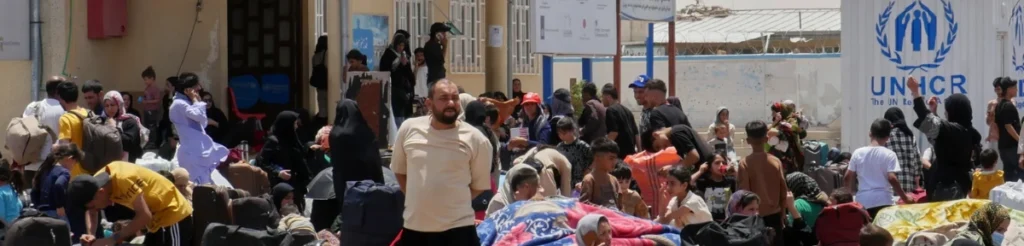
Iranian refugees living abroad say that many citizens inside Iran would likely help injured or stranded airmen. According to them, the Iranian population is not uniform in political opinion, and many people distinguish between foreign governments and individual human beings.
Refugees often describe Iranian society as deeply rooted in hospitality and compassion. These values, they argue, remain strong even during periods of conflict. If a pilot were found injured in a rural area, local residents might choose to provide water, shelter, or medical assistance.
Some refugees also note that helping someone in distress aligns with cultural expectations in many parts of Iran. They believe that humanitarian instincts could outweigh political concerns in such situations.
Cultural Values and Hospitality
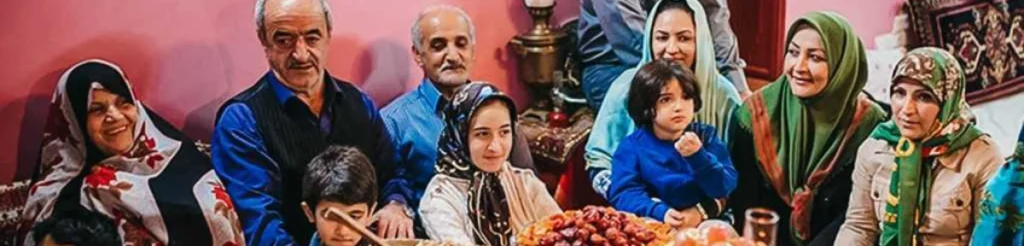
Iran has a long tradition of welcoming strangers and assisting those in need. Known widely as hospitality culture, this tradition encourages helping travelers, guests, and individuals facing hardship.
Refugees emphasize that these values continue to influence daily life. Even in challenging times, many citizens prioritize compassion and assistance.
In rural communities especially, people often rely on each other for support. Refugees suggest that this sense of community may lead civilians to help anyone found injured, including foreign airmen.
Risks and Difficult Decisions

Despite these humanitarian instincts, helping downed airmen could involve significant risks. Civilians may face pressure or scrutiny depending on the circumstances. Refugees acknowledge that such decisions are not simple.
Some individuals may hesitate due to fear or uncertainty. Others may still choose to help quietly, providing assistance without drawing attention.
These mixed possibilities reflect the complex nature of wartime situations. There is no single predictable outcome, but refugees emphasize that compassion remains a strong possibility.
Civilians Caught in the Middle
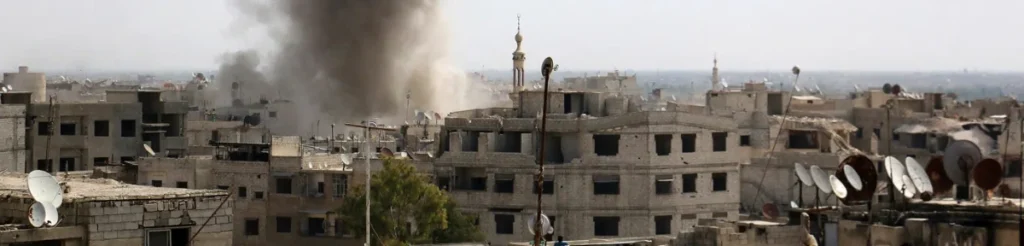
The conflict has also placed civilians in difficult positions. While governments and military forces escalate tensions, ordinary citizens often struggle with daily life challenges, including economic pressures and security concerns.
Refugees note that many Iranian citizens prefer peace and stability. They suggest that helping downed airmen could reflect broader public sentiment favoring humanity over conflict.
This perspective challenges assumptions that civilians automatically support government positions during wartime.
Humanitarian Perspective
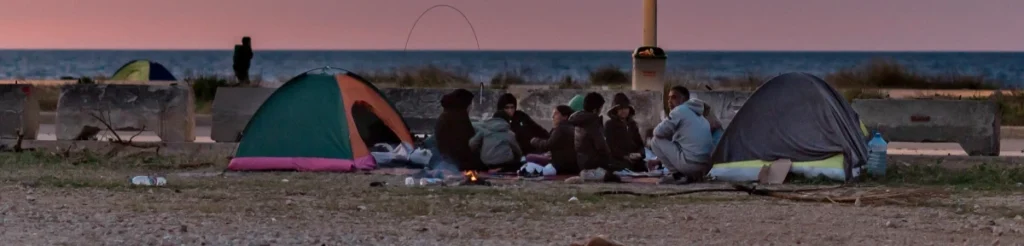
Humanitarian organizations often emphasize the importance of protecting civilians and respecting human life during conflict. Refugee voices align with these principles, suggesting that individuals may act based on compassion rather than politics.
In past conflicts around the world, civilians have helped downed pilots, rescued stranded soldiers, or provided assistance to those in danger. Refugees believe similar situations could occur in Iran.
Such acts often remain unreported but can play an important role in shaping outcomes.
Search and Rescue Challenges
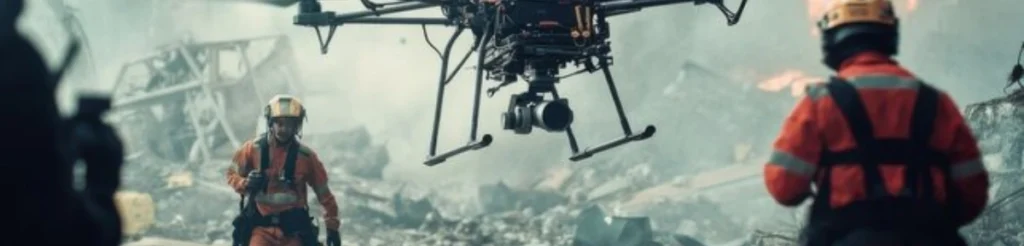
Rescue operations in hostile territory are complex. Military teams must navigate dangerous environments, limited information, and uncertain conditions. In some cases, civilian involvement becomes critical.
If civilians provide information or assistance, recovery efforts may succeed more quickly. On the other hand, if civilians are unable or unwilling to help, rescue missions become more difficult.
Refugees emphasize that local populations can significantly influence these scenarios.
Voices Calling for Peace
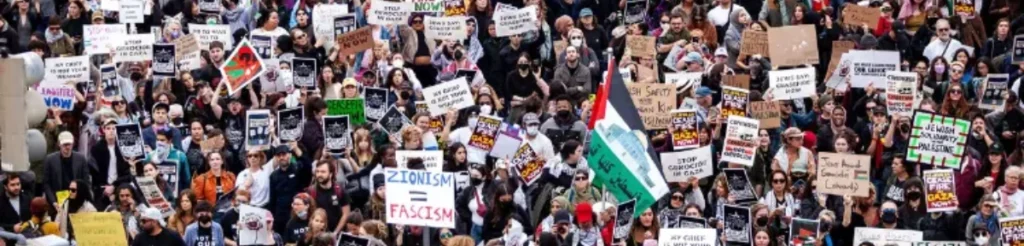
Many Iranian refugees also highlight the broader desire for peace among civilians. They say that ordinary people often want stability and safety rather than prolonged conflict.
Helping downed airmen, they argue, could reflect these values. Even during conflict, acts of kindness can emerge.
These perspectives remind observers that war does not eliminate compassion. Instead, it often reveals the resilience of humanitarian values.
Global Implications

If civilians in Iran were to help downed airmen, it could influence international perceptions. Such actions might highlight differences between political leadership and public sentiment.
This could also encourage humanitarian dialogue and reduce tensions in certain situations. While unlikely to change geopolitical dynamics entirely, such acts can still carry symbolic significance.
Conclusion
As tensions continue to unfold, refugee voices provide an important reminder that humanity persists even in times of conflict. Many Iranian refugees believe that ordinary citizens would be willing to help downed airmen, guided by compassion and cultural values.
While risks and uncertainties remain, these accounts highlight the human side of conflict — one that often goes unnoticed in headlines.
In the end, war may create divisions between governments, but individual acts of kindness can still bridge those divides. Refugees suggest that even in hostile environments, compassion remains a powerful force — one that could influence the fate of downed airmen and reflect the enduring strength of humanity.