

Rising tensions in the Middle East continue to dominate global headlines as new intelligence assessments suggest that Iran still retains a significant portion of its missile capabilities despite weeks of heavy military strikes. According to recent US intelligence reports, roughly half of Iran’s missile launchers remain operational, raising concerns that the conflict could escalate further and prolong instability across the region.
The findings come after more than five weeks of sustained airstrikes targeting Iran’s military infrastructure by the United States and its allies. While officials initially claimed that Iran’s missile network had been severely weakened, intelligence assessments now paint a more complex picture — one where Tehran still maintains considerable offensive capabilities.
Intelligence Report Reveals Remaining Capabilities

According to sources familiar with the intelligence, nearly 50 percent of Iran’s missile launchers are still intact. In addition, thousands of one-way attack drones remain in Iran’s arsenal, posing a continued threat to US forces, allies, and shipping routes across the region.
The intelligence also suggests that Iran has preserved much of its coastal defense missile systems, which are critical for controlling strategic waterways such as the Strait of Hormuz. These systems allow Iran to threaten commercial shipping and military vessels, further complicating the security landscape in the Gulf region.
Officials familiar with the assessment warned that Iran’s remaining capabilities could still cause significant disruption across the Middle East. One intelligence source reportedly said that Iran remains “very much poised to wreak absolute havoc throughout the entire region.”
Underground Facilities Help Iran Preserve Weapons
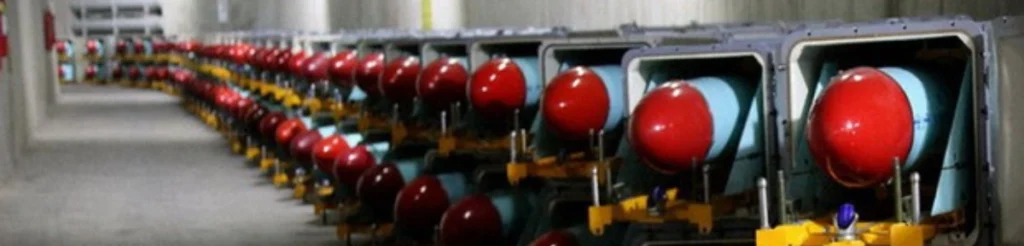
One of the key reasons Iran has managed to retain such a large portion of its missile launchers is its extensive network of underground facilities. Over the years, Iran has built tunnels, bunkers, and hidden launch sites designed specifically to withstand airstrikes and military attacks.
These underground missile bases have made it difficult for US and allied forces to fully destroy Iran’s missile capabilities. Some launchers may currently be buried or temporarily inaccessible but not destroyed, meaning they could be repaired or returned to service later.
Military analysts say this strategy reflects Iran’s long-term planning and preparation for potential conflicts. By dispersing launchers and hiding them underground, Tehran has ensured that its missile forces remain resilient even under sustained bombardment.
Drone Capabilities Still Significant
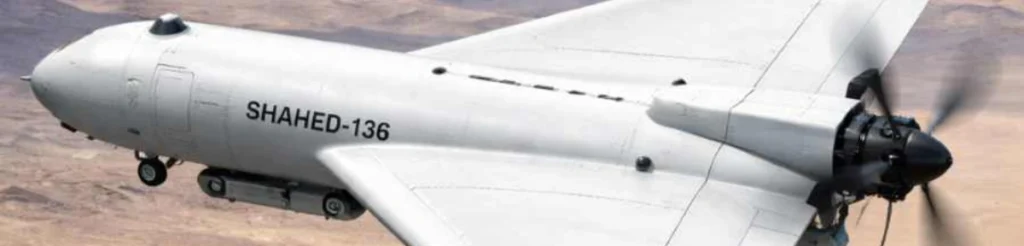
In addition to missile launchers, intelligence assessments also revealed that Iran still possesses thousands of attack drones. These drones have become a central part of Iran’s military strategy, allowing the country to conduct long-range attacks at relatively low cost.
Drone warfare has played a major role in recent conflicts across the Middle East. Iran’s drone capabilities allow it to target infrastructure, military bases, and ships without risking pilots or expensive aircraft.
Officials believe that approximately half of Iran’s drone capabilities remain intact, which means Tehran still has the ability to conduct sustained operations if tensions escalate further.
Contradicting Earlier Claims

The intelligence findings appear to contradict earlier claims that Iran’s missile program had been largely destroyed. Public statements suggested that Iran’s military infrastructure had suffered devastating losses, but intelligence sources now indicate that the damage may not be as extensive as initially believed.
Experts say this difference between public messaging and intelligence assessments is not uncommon during conflicts. Governments often release optimistic statements while classified intelligence provides a more cautious evaluation.
The new findings suggest that the conflict may last longer than expected, as Iran still has the ability to launch missile and drone attacks across the region.
Impact on Regional Security
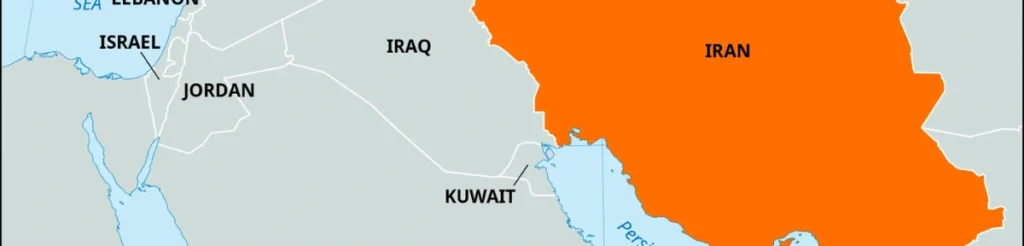
The fact that Iran retains half of its missile launchers raises concerns about regional stability. Countries in the Gulf region, including Saudi Arabia, the United Arab Emirates, and Qatar, remain on high alert as tensions continue to rise.
Shipping lanes in the Strait of Hormuz are particularly vulnerable. This narrow waterway is one of the world’s most important oil routes, and any disruption could impact global energy markets.
With coastal defense missiles still intact, Iran maintains the ability to threaten vessels passing through the region, potentially affecting oil supplies and global trade.
Continued Missile and Drone Attacks
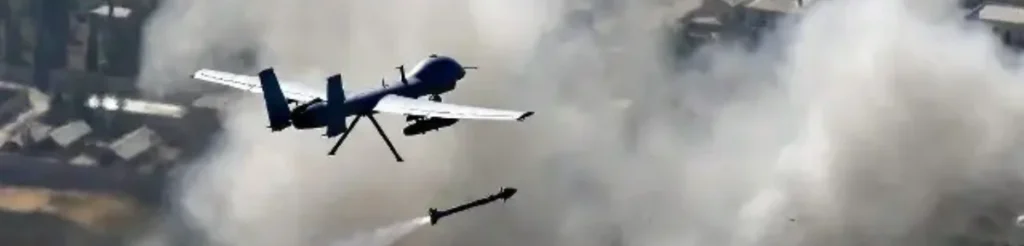
Despite weeks of airstrikes, Iran has continued launching missile and drone attacks. Intelligence reports indicate that Tehran still has enough resources to conduct sustained operations if necessary.
This ongoing capability suggests that airstrikes alone may not be enough to fully eliminate Iran’s military infrastructure. Analysts say that destroying deeply buried launchers requires specialized weapons and extended operations.
Military Analysts Weigh In
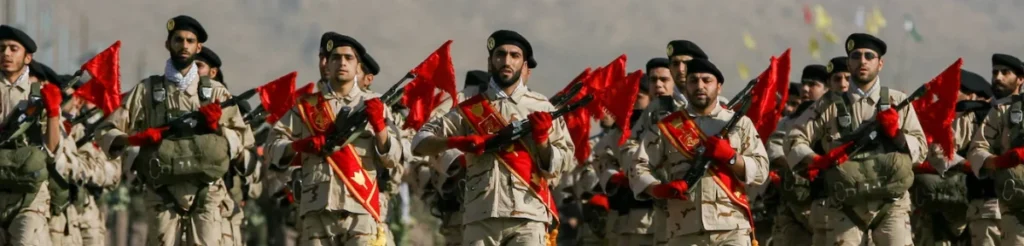
Defense experts say the intelligence findings highlight the difficulty of dismantling a country’s missile program. Unlike conventional military bases, missile launchers can be mobile, hidden, and quickly relocated.
Iran has spent years developing mobile launchers that can be moved quickly to avoid detection. These systems make it harder for air forces to track and destroy them.
Additionally, Iran’s strategy of dispersing assets across multiple locations reduces the effectiveness of targeted strikes.
What This Means for the Conflict

The intelligence assessment suggests that the conflict is far from over. With half of Iran’s missile launchers still intact, Tehran retains the ability to retaliate and escalate tensions.
This could lead to prolonged instability in the Middle East, with potential consequences for global markets, energy prices, and international diplomacy.
Officials say continued monitoring and intelligence gathering will be crucial in determining Iran’s remaining capabilities and future intentions.
Global Reactions

The intelligence findings have drawn attention from governments around the world. Allies in the region are reviewing their security measures, while international organizations are calling for de-escalation.
Some analysts warn that continued escalation could lead to broader regional conflict, involving multiple countries and affecting global stability.
Conclusion
The latest US intelligence assessment reveals that despite weeks of heavy airstrikes, Iran still retains approximately half of its missile launchers and thousands of attack drones. These findings suggest that Tehran maintains significant military capabilities and remains a serious regional threat.
As tensions continue to rise, the situation remains fluid and unpredictable. While military operations have weakened Iran’s infrastructure, the country’s remaining capabilities indicate that the conflict could continue for weeks or even months.
The coming days will likely determine whether diplomatic efforts succeed or whether the region moves closer to further escalation.