
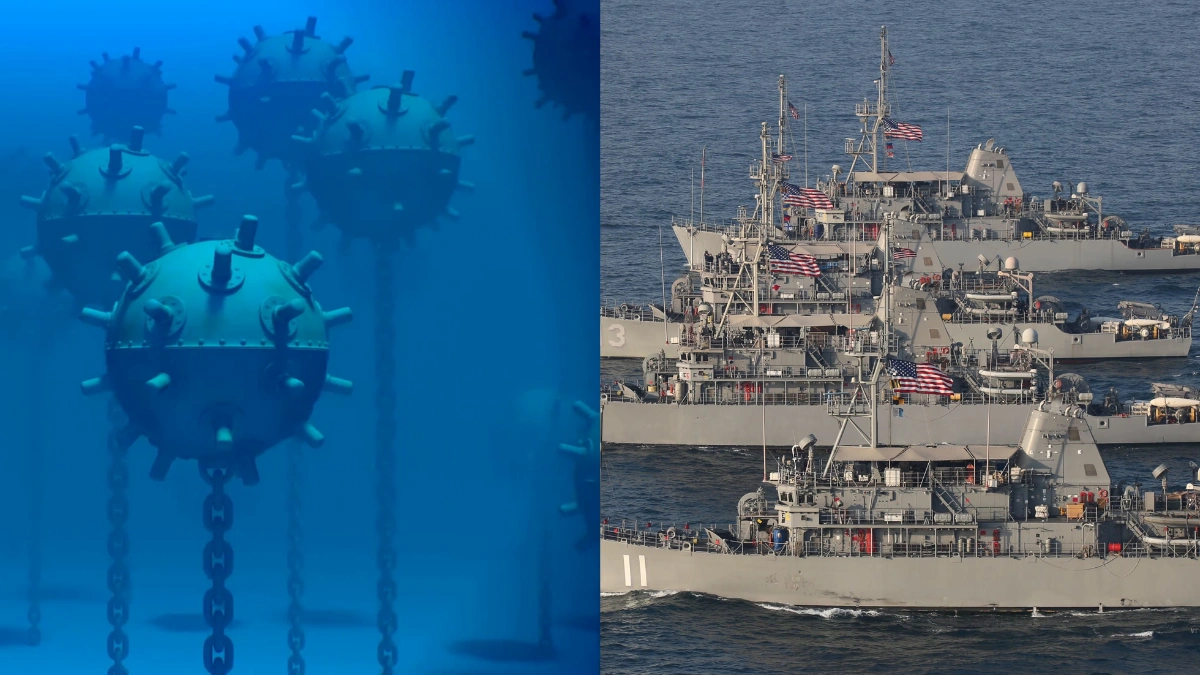
The Strait of Hormuz has once again become the center of global attention after U.S. officials confirmed the presence of naval mines in the region while simultaneously announcing the cancellation of a planned military strike. The developments have raised fresh concerns about security in one of the world’s most important energy corridors, where nearly one-fifth of global oil trade passes every day.
The situation has intensified tensions in the Middle East, with international markets, governments, and defense analysts closely monitoring the region. The Strait of Hormuz, located between Iran and Oman, has long been considered a geopolitical flashpoint because of its strategic role in global trade and energy transportation.
Discovery of Naval Mines

According to U.S. defense officials, intelligence and surveillance operations identified naval mines positioned in parts of the Strait of Hormuz. While officials did not disclose the exact number or locations of the mines, they described the situation as a serious maritime security concern.
The U.S. Navy reportedly increased patrols and monitoring activities in the area immediately after the discovery. Military analysts believe the mines were intended either as a deterrent or as a warning signal amid rising regional tensions.
Naval mines are considered one of the most dangerous threats in narrow waterways because they can disrupt commercial shipping and military operations. Even a limited mining operation can create panic among shipping companies and insurers, leading to delays and higher transportation costs.
The confirmation has reignited fears of potential disruptions to global oil supplies, especially as the Strait of Hormuz serves as a key export route for countries such as Saudi Arabia, Iraq, Kuwait, Qatar, and the United Arab Emirates.
Planned Strike Called Off

At the same time, U.S. officials confirmed that a planned military strike in the region was canceled before execution. Reports suggest the strike was under consideration following intelligence related to potential threats against American interests and allied vessels.
While the exact target was not publicly identified, officials stated that diplomatic and strategic evaluations led to the decision to halt the operation. Some experts believe the cancellation was intended to avoid further escalation at a time when regional tensions are already high.
The decision highlights the delicate balance Washington is trying to maintain between demonstrating military strength and preventing a broader conflict in the Middle East.
Defense experts say the cancellation may also indicate ongoing backchannel diplomatic efforts involving regional allies and international mediators.
Importance of the Strait of Hormuz
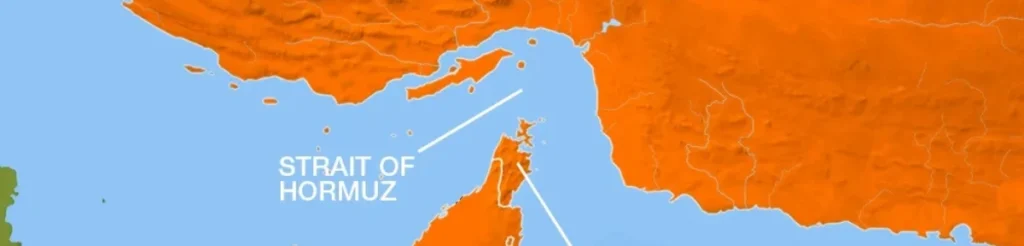
The Strait of Hormuz is one of the world’s most strategically important waterways. At its narrowest point, the shipping lane is only a few kilometers wide, yet it handles massive volumes of global energy trade every day.
Any disruption in the region immediately affects oil prices, shipping routes, and investor confidence. Because so many countries depend on oil transported through Hormuz, even rumors of military activity can create instability in financial and energy markets.
Historically, tensions in the Strait have included tanker seizures, drone incidents, military patrol confrontations, and threats to block maritime access. The latest reports of naval mines have added another layer of uncertainty.
Energy analysts warn that prolonged instability could increase fuel prices globally, affecting industries, transportation, and consumers worldwide.
Iran’s Position
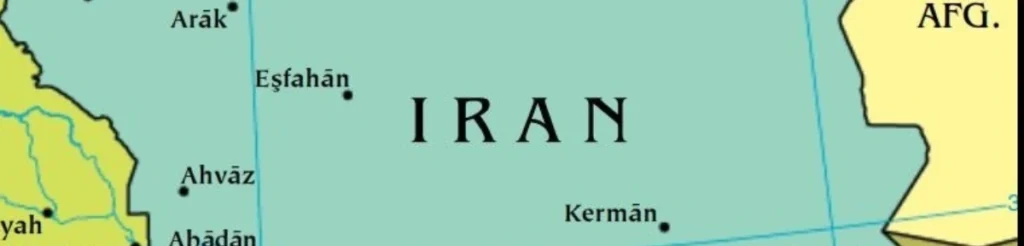
Iran has repeatedly stated that security in the Gulf region should be managed by regional countries rather than foreign military powers. Iranian officials have denied involvement in several past maritime incidents and accused Western nations of increasing tensions through military deployments.
Although no direct accusation regarding the mines was officially made in public statements, speculation quickly emerged due to the broader geopolitical context.
Iran has historically used the Strait of Hormuz as a strategic pressure point during disputes involving sanctions, military activities, and nuclear negotiations. Tehran has also emphasized that it has the capability to protect its interests if threatened.
Regional experts note that the current situation comes amid ongoing disagreements over sanctions, nuclear policies, and military presence in the Gulf.
Global Oil Market Reaction

Oil markets reacted cautiously following the announcement. Prices initially rose as traders feared a possible escalation or shipping disruption. Investors remain highly sensitive to developments in the Gulf because any interruption in supply routes can affect global energy availability.
Shipping companies and insurers are also closely evaluating risks in the region. Increased security concerns typically result in higher insurance premiums for commercial vessels operating through the Strait of Hormuz.
Energy-importing nations in Asia and Europe are particularly concerned because many rely heavily on Gulf oil supplies. Governments may consider contingency measures if tensions continue to rise.
Some analysts believe markets are currently reacting more to uncertainty than to actual supply disruptions. However, continued military activity or further discoveries of mines could quickly change the situation.
Increased Military Presence

The United States and allied nations have maintained a strong naval presence in the Gulf for years. Following the latest developments, additional surveillance and patrol operations have reportedly been deployed to ensure safe navigation for commercial ships.
Military experts say mine-clearing operations are highly sensitive and time-consuming. Specialized naval units are often required to identify and neutralize threats without endangering nearby vessels.
The U.S. Navy has extensive experience in mine countermeasure operations, particularly in the Gulf region. However, the presence of mines still creates major operational and economic risks.
Regional allies are also expected to coordinate intelligence-sharing and maritime security efforts to prevent escalation.
Diplomatic Efforts Continue

Despite military tensions, diplomatic channels remain active. Several international powers continue encouraging restraint and dialogue to avoid a larger regional conflict.
Analysts suggest the cancellation of the planned strike may provide an opportunity for diplomatic engagement. However, they warn that the situation remains highly unpredictable.
Global organizations and governments have repeatedly emphasized the importance of protecting freedom of navigation and maintaining stability in international shipping lanes.
The coming weeks may prove critical as governments attempt to balance military preparedness with diplomatic negotiations.
Strategic and Political Implications

The latest developments highlight how quickly regional tensions can impact global economics and international security. The Strait of Hormuz is not just a regional issue — it affects energy markets, shipping industries, and diplomatic relations worldwide.
For the United States, the situation reflects broader strategic concerns about protecting allies, securing trade routes, and maintaining influence in the Middle East.
For Iran and regional powers, the Gulf remains central to national security and geopolitical strategy.
Political analysts say the crisis also demonstrates the increasing complexity of modern warfare, where cyber threats, drones, naval mines, and economic pressure all play interconnected roles.
Conclusion
The confirmation of naval mines in the Strait of Hormuz and the cancellation of a planned U.S. strike have added new uncertainty to an already tense geopolitical environment. While military activity has increased, diplomatic efforts are still underway to prevent escalation.
The world will continue watching developments in the Gulf closely because any disruption in the Strait of Hormuz carries global consequences. From oil markets to international shipping and regional security, the impact extends far beyond the Middle East.
As governments weigh military options against diplomatic solutions, stability in one of the world’s most critical waterways remains uncertain.