
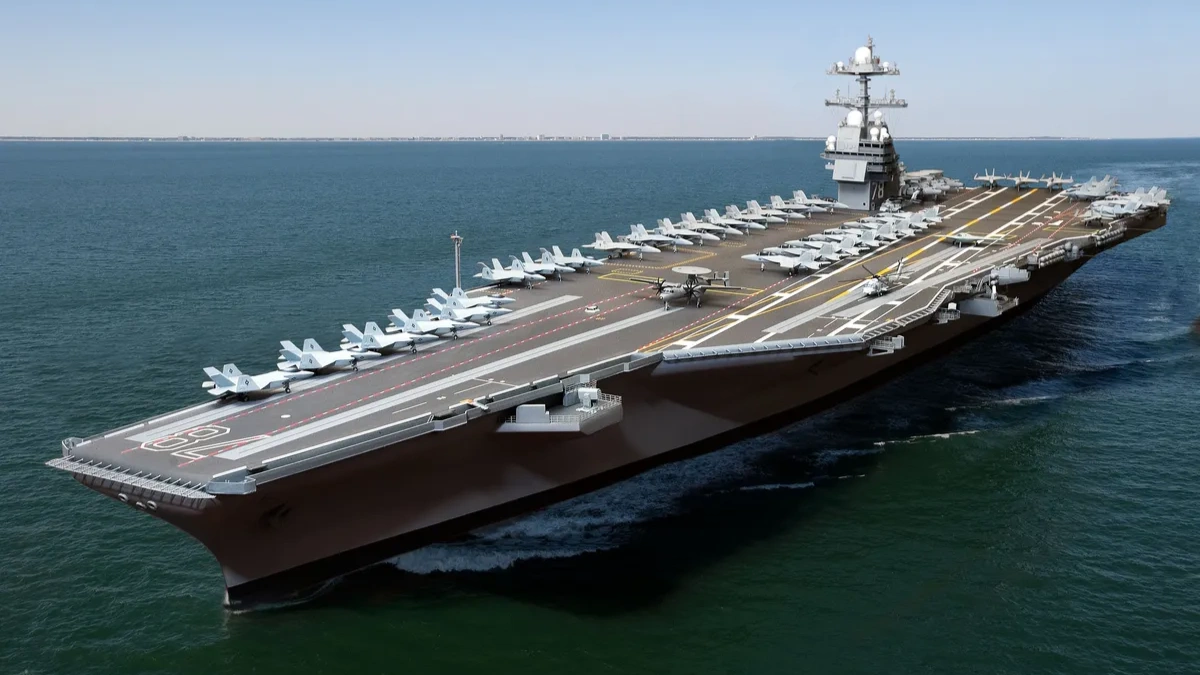
The return of the USS Gerald R. Ford has once again placed the spotlight on America’s naval power as the United States Navy simultaneously unveiled plans for a major fleet expansion aimed at strengthening maritime dominance in an increasingly tense global environment.
As geopolitical competition intensifies across regions such as the Indo-Pacific, the Middle East, and Eastern Europe, the U.S. Navy is investing heavily in advanced warships, aircraft carriers, submarines, and unmanned systems to prepare for future threats. The return of the USS Gerald R. Ford, the Navy’s most advanced aircraft carrier, symbolizes a new era of military modernization and strategic readiness.
The Return of USS Gerald R. Ford
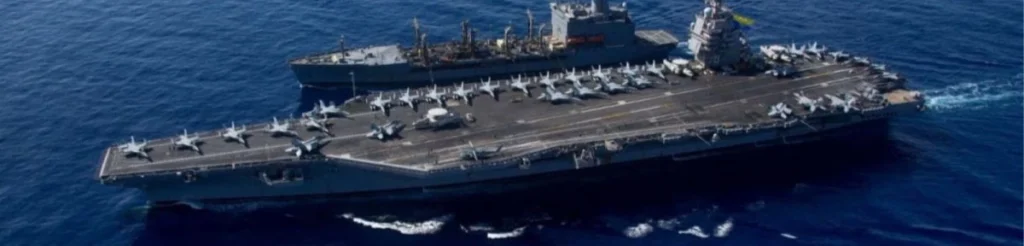
The USS USS Gerald R. Ford is the lead ship of the Ford-class aircraft carriers and one of the most technologically advanced warships ever built.
Named after former U.S. President Gerald Ford, the carrier represents the next generation of naval warfare capabilities. The ship recently returned following an extended deployment and operational mission that showcased its combat readiness and advanced systems.
Unlike older Nimitz-class carriers, the Ford-class introduces several modern technologies, including:
- Electromagnetic aircraft launch systems (EMALS)
- Advanced radar systems
- Improved nuclear power efficiency
- Reduced crew requirements
- Increased aircraft sortie rates
These upgrades allow the ship to launch aircraft faster, operate more efficiently, and support future naval combat operations in contested regions.
The return of the carrier comes at a time when the Navy is emphasizing deterrence, rapid deployment capability, and global presence.
Why the Carrier Matters

Aircraft carriers remain one of the strongest symbols of military power and global influence.
The USS Gerald R. Ford can carry dozens of fighter jets, surveillance aircraft, helicopters, and support systems while operating as a mobile military base anywhere in the world.
Military analysts view the carrier as especially important because of growing tensions involving:
- China in the South China Sea
- Russia in Eastern Europe and the Arctic
- Iran in the Middle East
- North Korea in East Asia
The carrier’s deployment capability allows the United States to quickly respond to regional crises, conduct joint exercises with allies, and maintain military pressure when necessary.
Its return also demonstrates that the Navy is continuing to improve operational readiness despite rising global instability.
Navy Announces Fleet Expansion
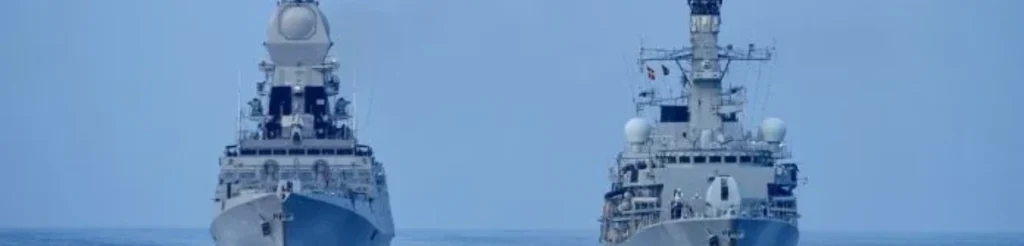
Alongside the return of the USS Gerald R. Ford, the U.S. Navy announced ambitious plans for expanding its fleet over the coming years.
The expansion is part of a broader defense strategy aimed at countering emerging military threats and maintaining U.S. naval superiority.
According to Navy officials, the modernization plan includes:
- More aircraft carriers
- Advanced destroyers
- Nuclear-powered submarines
- Unmanned surface vessels
- Autonomous underwater systems
- Improved missile defense systems
The goal is to create a larger, more flexible, and technologically advanced naval force capable of operating across multiple regions simultaneously.
The Navy has repeatedly emphasized that future conflicts may rely heavily on artificial intelligence, cyber warfare, unmanned systems, and long-range precision weapons.
Focus on China

One of the primary reasons behind the fleet expansion is the rapid growth of China’s military power.
China has significantly expanded its navy over the past decade and now possesses one of the world’s largest fleets by ship count. Beijing continues investing heavily in aircraft carriers, missile systems, and naval bases across the Indo-Pacific region.
The United States sees this expansion as a direct challenge to American influence and freedom of navigation in international waters.
The Indo-Pacific region has therefore become a major focus of U.S. naval planning.
American military leaders believe that maintaining a strong carrier presence is essential for deterring potential aggression and supporting regional allies such as Japan, South Korea, Australia, and the Philippines.
Technological Advancements

The Ford-class carriers represent more than just larger ships — they symbolize the Navy’s transition toward future warfare technologies.
The USS Gerald R. Ford includes:
- Advanced nuclear reactors generating more electrical power
- Improved weapons elevators
- Modern combat systems
- Enhanced electronic warfare capabilities
- Better aircraft handling systems
These improvements allow the ship to support next-generation fighter jets like the F-35 while also preparing for future laser weapons and drone integration.
Military experts believe technological superiority will become increasingly important in future naval conflicts.
Economic and Industrial Impact

The fleet expansion plan is also expected to have major economic effects inside the United States.
Shipbuilding programs create thousands of jobs across:
- Engineering
- Manufacturing
- Technology development
- Defense contracting
- Naval maintenance
Major defense companies and shipyards are likely to benefit significantly from new contracts and modernization projects.
At the same time, critics warn that expanding the fleet will require enormous government spending during a period of rising national debt and economic uncertainty.
Supporters argue that strong naval power remains essential for protecting global trade routes and national security interests.
Challenges Facing the Navy
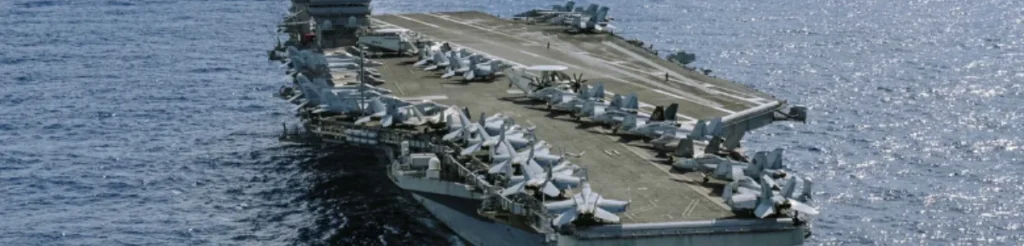
Despite its ambitious plans, the Navy also faces several challenges.
Budget Concerns
Modern warships and aircraft carriers are extremely expensive to build and maintain. The Ford-class carrier program itself has faced criticism over rising costs and technical delays.
Recruitment Issues
Like many military branches, the Navy has struggled with recruitment and retention in recent years. Expanding the fleet will require additional trained personnel and technical specialists.
Emerging Threats
Modern warfare is changing rapidly. Hypersonic missiles, cyber attacks, and drone warfare present new risks even for advanced carriers.
Some analysts argue that large aircraft carriers could become vulnerable targets in future high-tech conflicts.
However, Navy leaders continue to defend carriers as critical assets for global operations and deterrence.
Global Reactions

The announcement of the fleet expansion has attracted international attention.
Allied nations largely welcomed the move, seeing it as a sign of continued American commitment to global security partnerships.
Meanwhile, rivals such as China and Russia are likely to view the expansion as part of a broader military competition.
The development may also influence defense strategies worldwide as countries continue modernizing their own naval forces.
Future of Naval Warfare
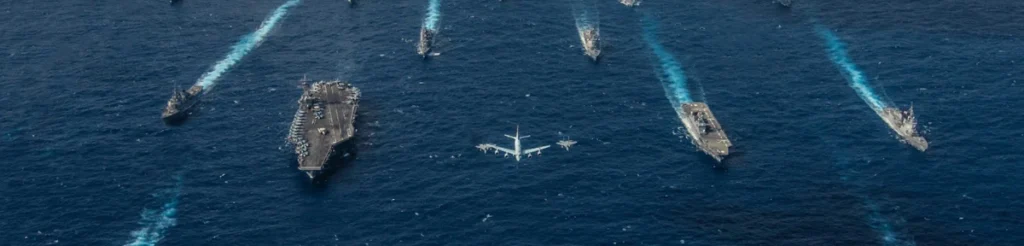
The return of the USS Gerald R. Ford and the announcement of a major fleet expansion reflect how naval warfare is evolving in the 21st century.
Future naval operations are expected to combine:
- Traditional warships
- Artificial intelligence
- Drone systems
- Cyber warfare
- Space-based communication systems
- Advanced missile defense technologies
The Navy’s modernization efforts are designed to prepare for these rapidly changing battlefield conditions.
Conclusion
The return of the USS USS Gerald R. Ford marks an important moment for the U.S. Navy as it pushes forward with one of its largest modernization and expansion efforts in years.
Amid rising geopolitical tensions and growing military competition, the Navy is focusing on advanced technology, stronger global presence, and increased operational readiness.
While debates continue over costs and future military strategy, one thing remains clear: naval power continues to play a central role in global security, and the USS Gerald R. Ford is now at the center of that evolving strategy.