
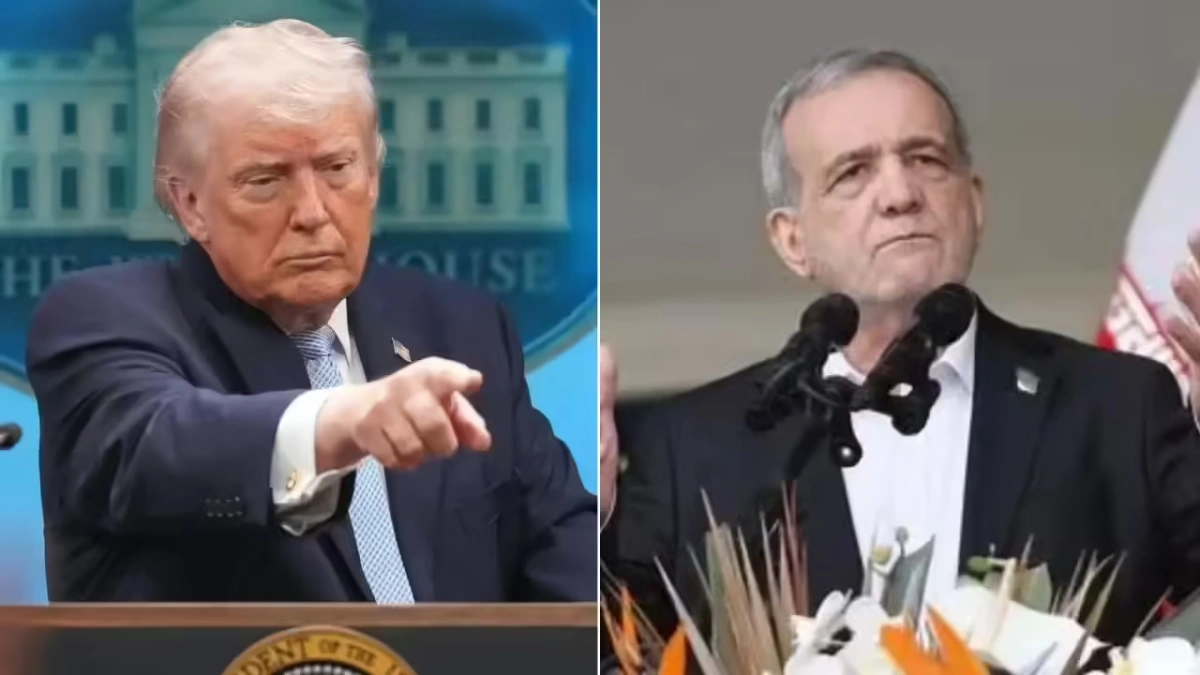
Tensions in the Middle East are once again rising as Iran warned that it is fully prepared to respond to any new “aggression” while the fragile ceasefire with the United States and its allies continues to weaken. The latest developments have increased fears of another major regional conflict, with both diplomatic talks and military threats happening at the same time.
Iranian leaders recently declared that their armed forces are “ready for every option” if attacks continue or if negotiations fail. The warning came after former U.S. President Donald Trump reportedly described the current ceasefire as being on “massive life support,” suggesting that peace efforts are dangerously close to collapse.
The situation has become one of the most serious geopolitical crises of 2026, affecting global oil markets, shipping routes, diplomacy, and regional stability.
Ceasefire Under Pressure
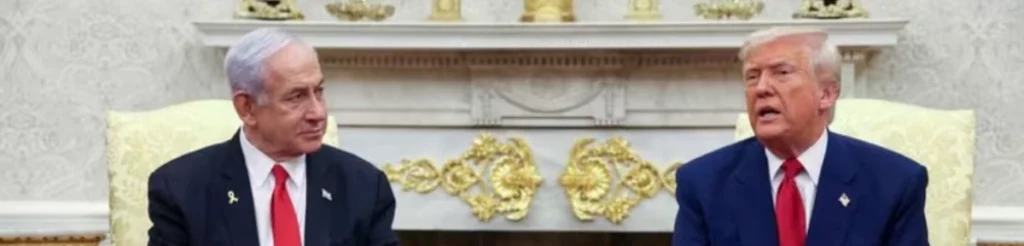
The ceasefire between Iran and the United States was initially intended to reduce military clashes after months of rising conflict across the Gulf region. While the agreement temporarily reduced direct attacks, it never fully ended tensions.
Several unresolved issues continue to divide both sides, including:
- Iran’s nuclear program
- U.S. sanctions on Iran
- Control and security in the Strait of Hormuz
- Military presence in the Middle East
- Oil export restrictions
According to recent reports, Iran submitted a peace proposal demanding sanctions relief and guarantees against future attacks. However, the proposal was rejected by the United States, leading to another sharp escalation in rhetoric.
Iranian Parliament Speaker Mohammad Bagher Ghalibaf warned that Iran’s military would deliver a “lesson-giving response” if the country faces any fresh aggression.
Iran’s Military Readiness
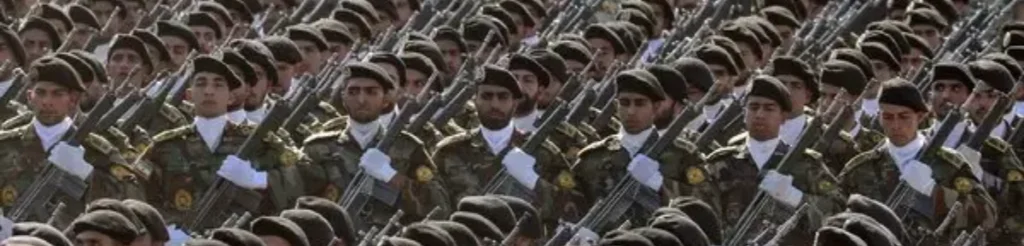
Iran has repeatedly emphasized that it does not want a wider war, but officials say the country is prepared if conflict becomes unavoidable.
Government spokesperson Fatemeh Mohajerani recently stated that Iran’s “finger rests on the trigger,” even while diplomacy remains the preferred option.
Iran’s military leadership also claimed that strategic targets have already been identified in case of future attacks. Military commanders stated that the armed forces are in a state of “100% readiness.”
This strong language reflects growing frustration inside Iran, especially after continued military pressure from Western allies and regional rivals.
Rising Regional Tensions
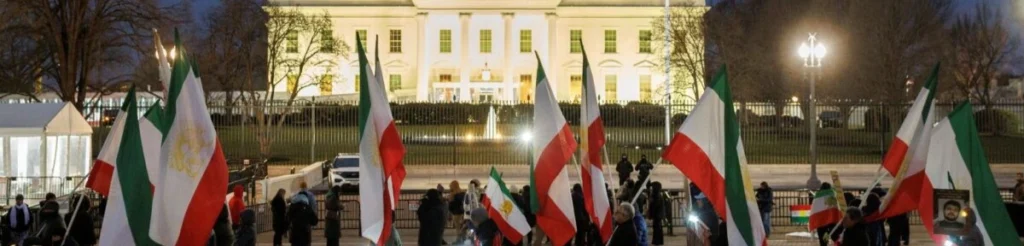
The worsening ceasefire is not limited to Iran and the United States alone. Other countries in the Middle East are becoming increasingly involved.
Reports suggest that Saudi Arabia and the United Arab Emirates carried out covert operations against Iranian targets earlier this year after Iranian-linked attacks targeted Gulf infrastructure.
Israel also remains deeply involved in the regional crisis. Iranian officials continue to accuse Israel of carrying out aggressive military operations against Iranian interests and allied groups across the region.
The growing involvement of multiple countries increases the risk that a local conflict could quickly turn into a much larger regional war.
Strait of Hormuz Remains Critical
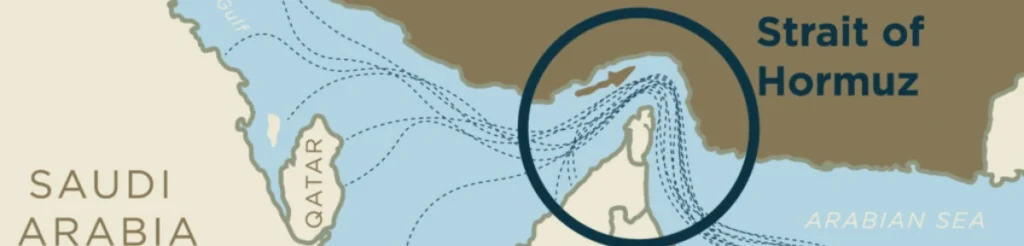
One of the biggest concerns for the global economy is the Strait of Hormuz — one of the world’s most important oil shipping routes.
A large percentage of the world’s oil supply passes through this narrow waterway. Any disruption there could immediately affect global fuel prices and international trade.
Iran has repeatedly warned that continued military pressure or economic sanctions could force it to take stronger action in the strait. Analysts fear that even temporary disruptions could push oil prices sharply higher.
The possibility of renewed naval conflict in the region has already increased uncertainty in global energy markets.
Global Economic Impact

The worsening situation has affected global markets in several ways:
- Oil prices remain unstable
- Shipping insurance costs are rising
- Investors fear supply chain disruptions
- International airlines are changing flight routes
- Energy-importing countries are preparing emergency plans
Countries heavily dependent on imported oil, including India, China, Japan, and several European nations, are closely monitoring developments.
If the ceasefire fully collapses, the economic consequences could spread far beyond the Middle East.
Diplomacy Still Continues
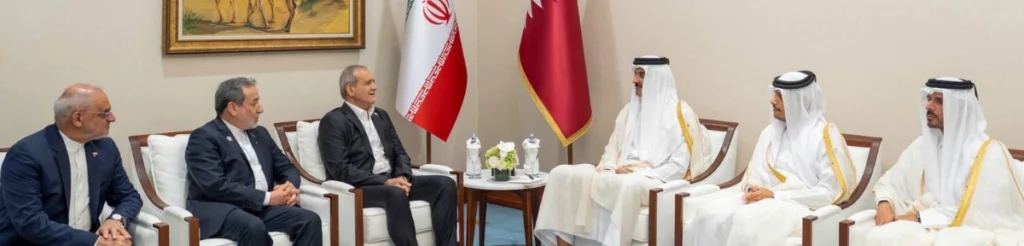
Despite the harsh statements, diplomatic efforts have not completely stopped.
Iranian officials continue to say they are open to negotiations if their conditions are respected. At the same time, Western governments are trying to prevent another major war through indirect talks and international mediation.
Pakistan, Oman, and several European countries are reportedly involved in back-channel discussions aimed at preserving peace. However, the gap between both sides remains extremely large.
Iran insists on sanctions relief and recognition of its regional influence, while the United States continues demanding strict limits on Iran’s nuclear activities and military operations.
So far, neither side appears willing to compromise significantly.
Public Reactions Inside Iran
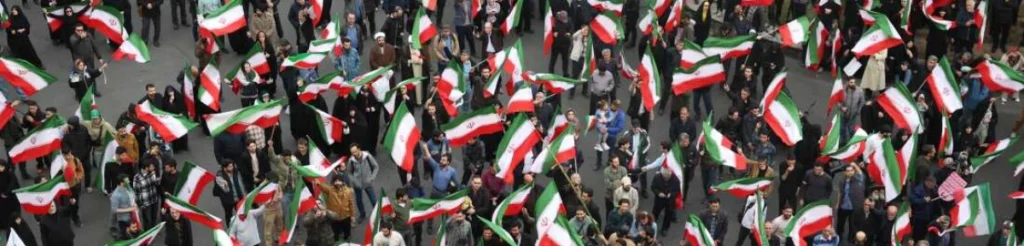
Inside Iran, public opinion remains divided.
Some citizens support the government’s strong response, believing the country must defend itself against foreign pressure. Others worry that continued confrontation could damage Iran’s economy even further.
Years of sanctions, inflation, and economic instability have already placed significant pressure on ordinary Iranians. Many fear that another military escalation could worsen unemployment, shortages, and financial hardship.
At the same time, nationalist sentiment remains strong, especially after repeated foreign military threats.
What Happens Next?
The coming weeks could be critical for the future of the ceasefire.
Several possible outcomes remain on the table:
- Renewed negotiations leading to a temporary compromise
- Limited military clashes without full-scale war
- Expanded regional conflict involving multiple countries
- Stronger sanctions and economic pressure
- Naval tensions in the Strait of Hormuz
Much will depend on diplomatic communication, military decisions, and political leadership on all sides.
For now, the situation remains highly unstable.
Conclusion
Iran’s latest warning that it is ready for “aggression” highlights how fragile the Middle East ceasefire has become. While leaders continue to speak about diplomacy and peace, military preparations and political hostility are increasing simultaneously.
The crisis is no longer just about Iran and the United States. It now affects regional security, global energy supplies, international trade, and economic stability worldwide.
As negotiations struggle and tensions rise, the world watches closely to see whether diplomacy can still prevent another major conflict in one of the world’s most sensitive regions.