
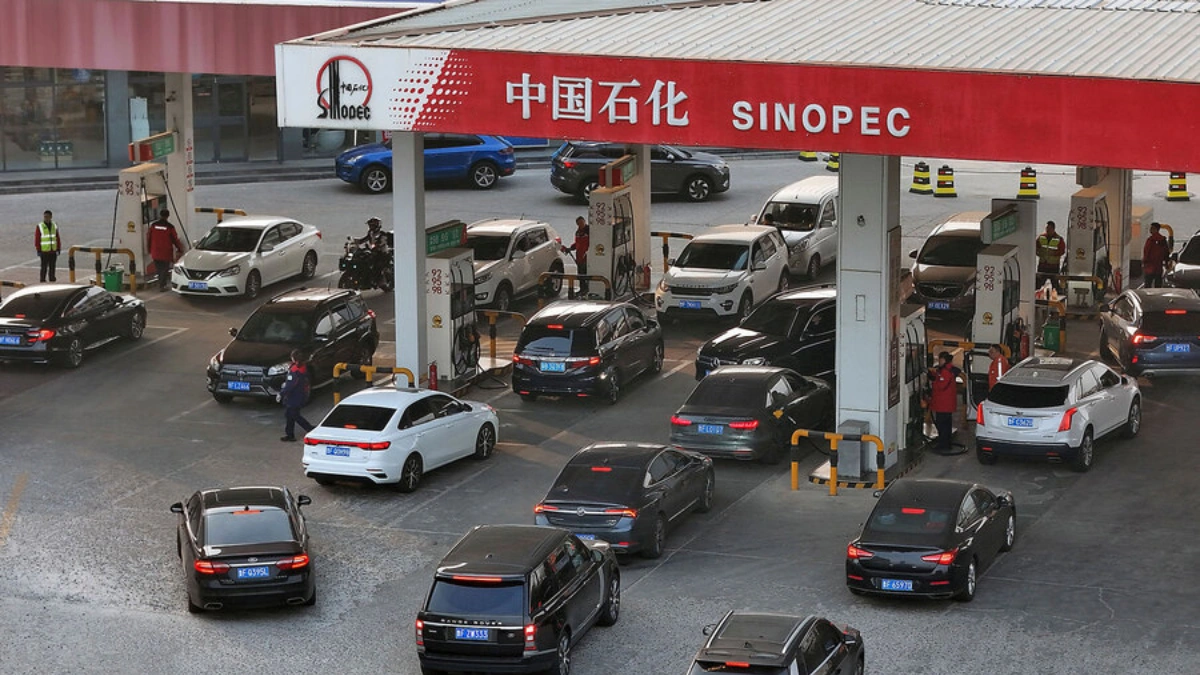
The world has depended on oil for more than a century. From transportation and manufacturing to electricity generation and global trade, crude oil powers modern civilization. However, rising fuel prices, geopolitical tensions, supply chain disruptions, and climate concerns have made the global oil crisis one of the most pressing issues of the 21st century. Countries worldwide are searching for alternatives that can reduce dependence on traditional fossil fuels while ensuring energy security and sustainability.
In recent years, China has emerged as a major player in the global energy transition. The country has invested billions into renewable energy, electric vehicles, hydrogen technology, and synthetic fuels. Now, a new fuel breakthrough from China is attracting worldwide attention, with experts suggesting it could play a significant role in solving the global oil crisis.
This breakthrough is not just about creating another fuel source. It represents a larger shift toward cleaner, more affordable, and more sustainable energy systems that could reshape industries and economies around the world.
Understanding the Global Oil Crisis

Before exploring China’s breakthrough, it is important to understand why the oil crisis has become such a major concern.
Oil prices are heavily influenced by geopolitical events, wars, trade restrictions, and production cuts. Conflicts in oil-rich regions often lead to supply shortages, causing fuel prices to rise globally. At the same time, growing energy demand from developing nations continues to put pressure on existing oil supplies.
Another challenge is environmental impact. Fossil fuels are one of the largest contributors to greenhouse gas emissions, which drive climate change. Governments are under increasing pressure to reduce carbon emissions and transition toward cleaner energy solutions.
The combination of high prices, limited supply, and environmental concerns has accelerated the search for alternative fuels that are both sustainable and commercially viable.
China’s Massive Push for Energy Innovation

China has spent the last decade positioning itself as a leader in energy innovation. The country already dominates several clean-energy sectors, including solar panel manufacturing, battery production, and electric vehicles.
However, China understands that renewable electricity alone may not fully replace oil in industries like aviation, shipping, heavy transportation, and manufacturing. This is why Chinese researchers and companies have focused heavily on alternative fuel technologies.
One of the most promising developments is China’s progress in synthetic fuel and hydrogen-based energy systems. Scientists have developed advanced methods to produce cleaner fuels using carbon capture, renewable electricity, and innovative chemical processes.
These fuels could potentially reduce dependence on crude oil while maintaining compatibility with existing infrastructure such as engines, pipelines, and industrial systems.
What Makes This Breakthrough Important?

China’s fuel breakthrough is significant because it addresses several major global problems simultaneously.
1. Reduced Dependence on Crude Oil
Traditional oil markets are controlled by a relatively small number of producing nations. This creates vulnerabilities for countries that rely heavily on imported fuel.
Alternative fuels developed through advanced technologies could reduce this dependence and provide nations with greater energy independence. Instead of importing massive amounts of oil, countries could produce cleaner fuels domestically using renewable energy sources.
2. Lower Carbon Emissions
One of the biggest advantages of synthetic and hydrogen-based fuels is their potential to significantly reduce greenhouse gas emissions.
If produced using renewable electricity such as solar or wind power, these fuels can become much cleaner than traditional gasoline or diesel. This would help countries meet international climate targets while continuing to support industrial growth.
3. Compatibility With Existing Systems
Unlike some renewable technologies that require entirely new infrastructure, many advanced fuels can work with existing engines and transportation systems.
This means industries could adopt cleaner fuels without completely rebuilding their operations. Such compatibility makes the transition faster and more cost-effective.
4. Improved Energy Security
Energy security has become a major global issue. Countries want stable and affordable energy supplies that are not vulnerable to international conflicts or market disruptions.
China’s fuel innovation could inspire localized energy production models, reducing global reliance on unstable oil markets.
The Role of Hydrogen in China’s Fuel Strategy

Hydrogen is considered one of the most promising fuels of the future. When used in fuel cells, hydrogen produces electricity while emitting only water vapor.
China has invested heavily in hydrogen infrastructure, including hydrogen-powered trucks, buses, industrial facilities, and refueling stations.
The latest breakthroughs involve producing hydrogen more efficiently and at lower costs. Traditional hydrogen production methods can be expensive and carbon-intensive. However, Chinese researchers are developing cleaner methods powered by renewable energy.
Green hydrogen could eventually become a major alternative to oil in transportation and heavy industries.
Synthetic Fuels Could Change Aviation and Shipping

Some industries are difficult to electrify completely. Airplanes, cargo ships, and long-distance freight transportation require high-energy fuels that batteries currently cannot provide efficiently.
This is where synthetic fuels become extremely valuable.
Synthetic fuels are created by combining captured carbon dioxide with hydrogen produced using renewable energy. The result is a liquid fuel that behaves similarly to gasoline, diesel, or jet fuel but with lower overall emissions.
China’s advancements in this area could revolutionize global transportation by offering cleaner fuel options without requiring entirely new vehicle systems.
Economic Impact of the Breakthrough

If China successfully scales these fuel technologies, the economic impact could be enormous.
Lower Fuel Costs
Mass production and technological improvements could reduce fuel costs over time. Affordable alternative fuels would benefit consumers, businesses, and industries worldwide.
New Industries and Jobs
The transition toward advanced fuels would create new industries involving hydrogen production, fuel synthesis, energy storage, and infrastructure development.
This could generate millions of jobs in engineering, manufacturing, research, logistics, and clean-energy services.
Reduced Global Oil Market Volatility
Oil markets are known for extreme price fluctuations. Alternative fuels could stabilize global energy systems by diversifying supply sources and reducing dependence on crude oil exports.
Challenges Still Remain

Despite the excitement surrounding China’s breakthrough, several obstacles remain before these technologies can fully replace traditional oil.
High Initial Costs
Developing and scaling advanced fuel systems requires significant investment. Building hydrogen infrastructure and synthetic fuel plants can be expensive in the early stages.
Energy Requirements
Producing synthetic fuels and green hydrogen requires large amounts of renewable electricity. Countries must continue expanding renewable energy capacity to support these technologies sustainably.
Infrastructure Development
Widespread adoption will require new refueling stations, storage systems, transportation networks, and industrial modifications.
Global Cooperation
Energy transitions are global challenges that require international cooperation. Governments, industries, and researchers must work together to establish standards, investments, and policies.
Could This Really Solve the Oil Crisis?

China’s fuel breakthrough alone may not completely eliminate the global oil crisis overnight. However, it represents a major step toward reducing the world’s dependence on fossil fuels.
The future energy system will likely involve a combination of technologies including renewable electricity, hydrogen, synthetic fuels, battery storage, and improved energy efficiency.
China’s progress demonstrates that large-scale innovation is possible when governments, researchers, and industries invest aggressively in clean-energy development.
If these technologies continue advancing at the current pace, they could dramatically reshape global energy markets over the next few decades.
Conclusion
The global oil crisis has highlighted the urgent need for alternative energy solutions that are cleaner, more stable, and more sustainable. China’s latest fuel breakthrough could become one of the most important developments in the global transition away from traditional fossil fuels.
By investing heavily in hydrogen technology, synthetic fuels, and renewable-powered energy systems, China is positioning itself at the forefront of the future energy economy.
While challenges remain, the potential benefits are enormous — lower emissions, greater energy security, reduced fuel costs, and a more sustainable planet.
As the world searches for solutions to rising oil demand and environmental concerns, China’s innovation may prove to be a turning point in how humanity powers its future.