
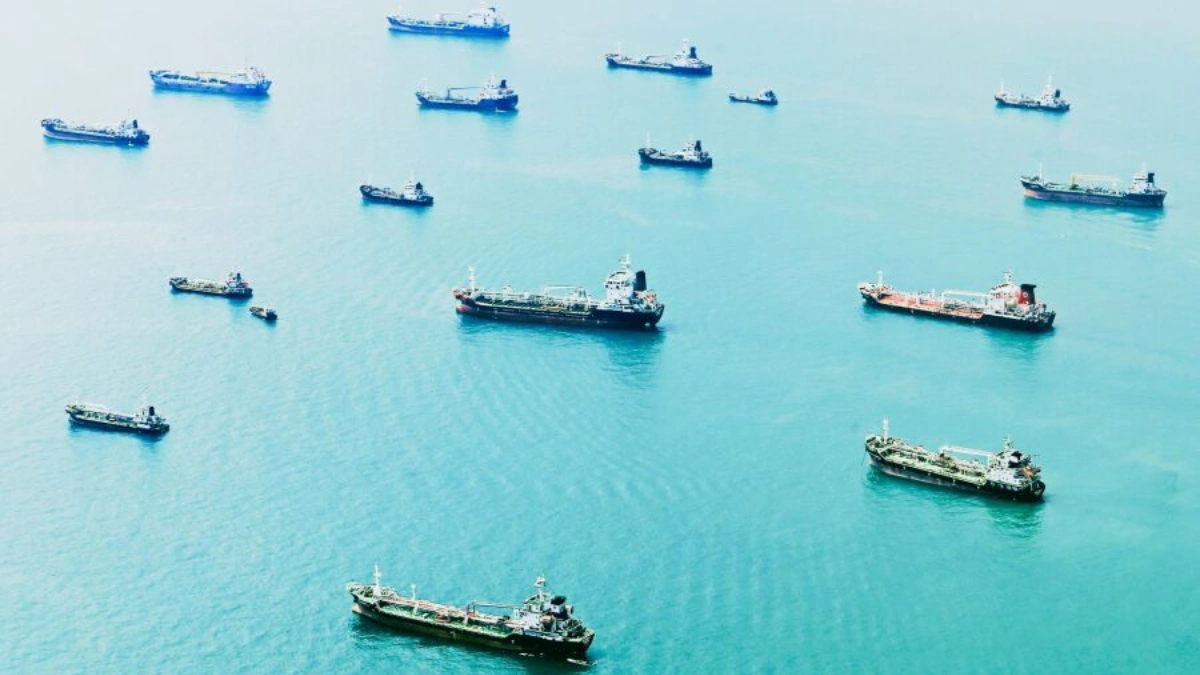
Tensions in the Middle East have intensified once again after Iran defended its recent seizure of U.S.-linked oil tankers, claiming the actions were fully legal under both domestic and international law. The development has further increased concerns over maritime security in the Strait of Hormuz — one of the world’s most important oil shipping routes.
Iranian officials stated that the tanker seizures were carried out based on rulings issued by Iranian courts and were consistent with the 1982 United Nations Convention on the Law of the Sea (UNCLOS).
The incident comes during a period of rising military and economic tensions involving Iran, the United States, Israel, and Gulf nations. With global oil markets already unstable, the latest dispute has once again placed international shipping and energy security under the spotlight.
Iran’s Legal Argument

Iran’s judiciary spokesman Asghar Jahangir said the detention of the tankers followed legal procedures and final court rulings inside Iran. According to Iranian authorities, the ships violated Iranian laws and maritime regulations.
“The seizure of offending American tankers is an act grounded in domestic and international law,” Jahangir said in an official statement.
Iran argues that the vessels were involved in activities harmful to Iranian national interests and that the country has the legal right to act against them within its jurisdiction.
Iranian officials also accused the United States of engaging in “piracy” and violating international maritime law through its own seizures of Iranian-linked ships in recent months.
Background of the Maritime Dispute
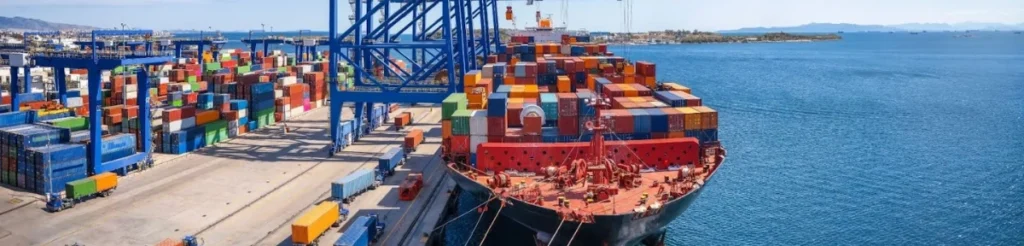
The tanker dispute is part of a much larger confrontation between Iran and the United States involving sanctions, oil exports, military operations, and regional influence.
The U.S. has increased efforts to block Iranian oil exports through sanctions and maritime enforcement operations. Washington claims these actions are necessary to limit Iran’s financial resources and regional military activities.
Iran, however, says the U.S. actions amount to unlawful interference in international trade and freedom of navigation.
In recent weeks, the United States reportedly seized Iranian-linked oil shipments and enforced naval restrictions in the Gulf region. Iran responded by intercepting ships it claims were involved in violating Iranian laws or assisting U.S. sanctions operations.
The situation has created a dangerous cycle of retaliatory maritime actions.
Strait of Hormuz Remains Central
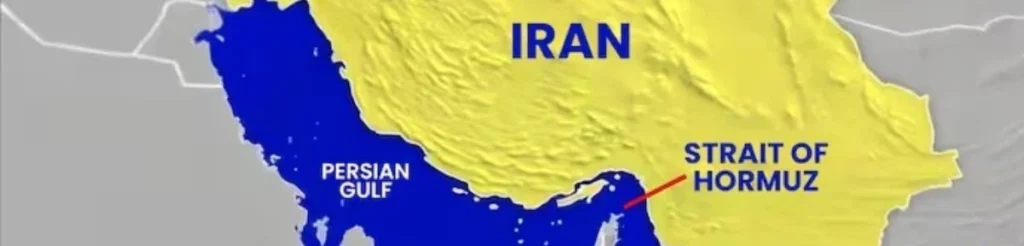
Most of these confrontations are happening near the Strait of Hormuz — a narrow waterway connecting the Persian Gulf to the Gulf of Oman.
Nearly one-fifth of the world’s oil supply passes through this route every day, making it one of the most strategically important waterways on Earth.
Any military or legal conflict involving shipping in the strait immediately affects global markets and international trade.
Shipping companies operating in the region are now facing:
- Higher insurance costs
- Increased military monitoring
- Route delays
- Greater security risks
Recent reports suggest shipping activity in the region has already slowed due to fears of further escalation.
United States Rejects Iran’s Claims

American officials strongly reject Iran’s legal justification.
U.S. Central Command (CENTCOM) has previously described Iranian ship seizures as violations of international law and freedom of navigation.
According to U.S. officials, Iran’s use of military force to board commercial vessels in international waters threatens maritime security and global commerce.
Washington argues that its own enforcement operations are based on sanctions laws and international anti-smuggling regulations, while Iran’s actions are politically motivated.
Legal experts remain divided on some aspects of these maritime disputes, especially regarding the enforcement of sanctions and ship seizures in international waters.
International Law Debate

The growing conflict has triggered wider discussions about maritime law and the legal rights of countries to seize ships.
Under UNCLOS, countries generally have limited authority to stop foreign commercial vessels in international waters unless certain conditions apply, such as:
- Piracy
- Smuggling
- False flag operations
- Security threats
- Court-authorized enforcement
Iran insists its actions meet these legal standards because the tankers were allegedly violating Iranian laws and court orders.
Critics, however, argue that using military force against commercial vessels risks undermining international shipping norms and increasing instability in global trade routes.
The disagreement highlights how differently countries interpret international maritime law during geopolitical conflicts.
Oil Markets and Economic Impact

Global oil markets reacted cautiously to the latest developments.
Investors fear that continued tanker confrontations could disrupt oil exports from the Gulf region and push fuel prices higher worldwide.
Countries highly dependent on Middle Eastern oil — including India, China, Japan, and European nations — are closely monitoring the situation.
Shipping insurance rates have already surged as companies reassess the risks of operating near the Strait of Hormuz.
Energy analysts warn that prolonged instability could:
- Increase transportation costs
- Affect fuel prices globally
- Disrupt supply chains
- Slow international trade
Even limited maritime incidents in the Gulf often have immediate economic consequences because of the region’s importance to global energy markets.
Growing Regional Tensions

The tanker dispute is happening alongside broader tensions across the Middle East.
Iran’s relations with the United States and its allies have deteriorated over:
- Nuclear negotiations
- Military presence in the Gulf
- Economic sanctions
- Regional proxy conflicts
- Control of shipping lanes
Several recent incidents involving drones, naval patrols, and ship seizures have further increased fears of a wider regional conflict.
At the same time, diplomatic talks between Iran and Western countries remain fragile.
Iran continues demanding sanctions relief and recognition of its maritime authority, while the United States insists on stronger restrictions on Iran’s nuclear and military activities.
International Reactions
Global reactions to the tanker dispute remain mixed.
Some countries have urged both sides to avoid further escalation and maintain freedom of navigation in international waters.
China and Russia have expressed concerns about increasing maritime instability and the economic risks linked to Gulf tensions. Meanwhile, Gulf Arab states are strengthening security coordination to protect shipping routes.
International shipping organizations have also warned that repeated confrontations could damage global trade confidence and increase operational risks for commercial vessels.
Conclusion
Iran’s defense of its tanker seizures as legal under international law reflects the growing complexity of the Middle East maritime crisis. While Tehran insists its actions are based on legal authority and court rulings, the United States and its allies view the seizures as dangerous violations of freedom of navigation.
The dispute is about far more than a few ships. It now touches on global energy security, international trade, sanctions enforcement, and regional power struggles.
As tensions continue rising in the Strait of Hormuz, the world watches closely to see whether diplomacy can prevent further escalation in one of the most strategically important regions on the planet.