
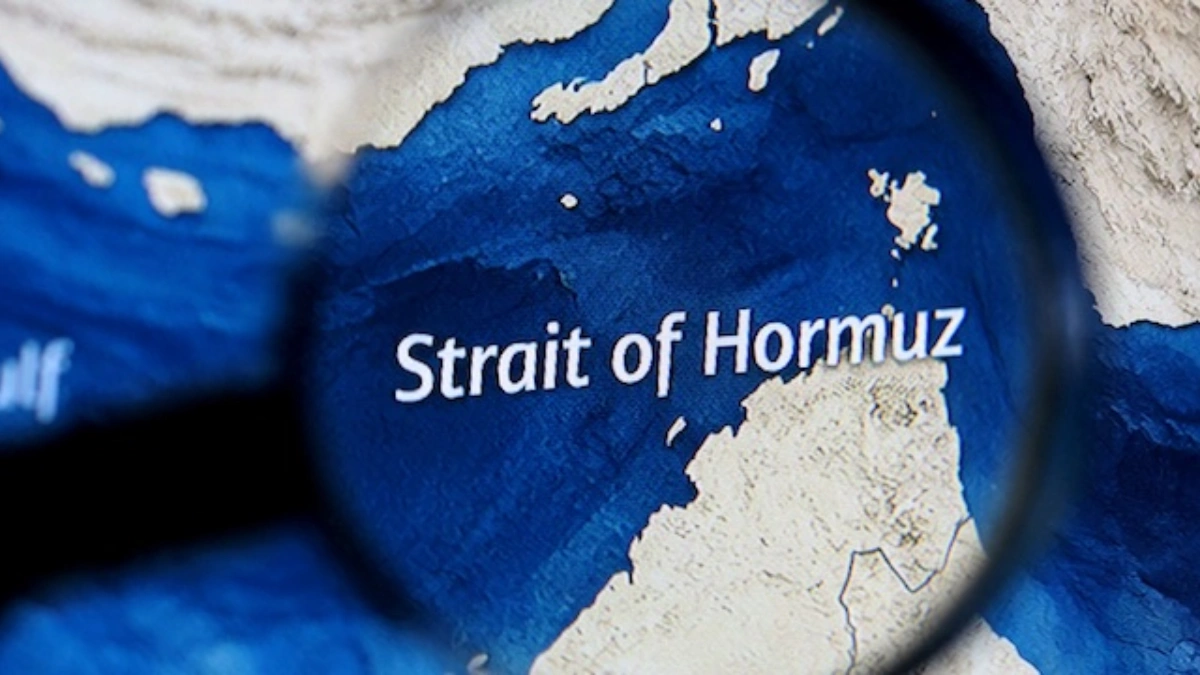
The Strait of Hormuz has become the center of a growing global crisis as Iran tightens restrictions on one of the world’s most important shipping routes. What began as a geopolitical standoff has now turned into a humanitarian emergency for thousands of sailors trapped at sea. With commercial ships unable to move freely, crews are facing dangerous conditions, uncertainty, and emotional exhaustion while global trade feels the pressure.
Why the Strait of Hormuz Matters
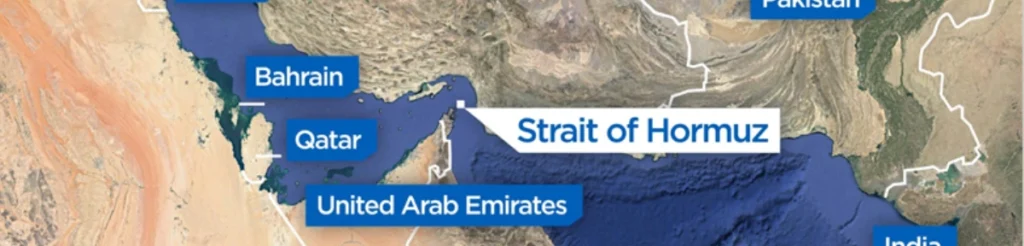
The Strait of Hormuz is one of the most strategically important waterways in the world. Located between Iran and Oman, it connects the Persian Gulf to the Arabian Sea and handles nearly 20% of global oil shipments daily. Countries like Saudi Arabia, Iraq, Kuwait, and the UAE rely heavily on this route for energy exports.
Any disruption in the strait immediately impacts international energy markets, shipping industries, and supply chains worldwide. Because of its narrow geography and political sensitivity, even small military tensions can create massive global consequences.
Rising Tensions in the Middle East
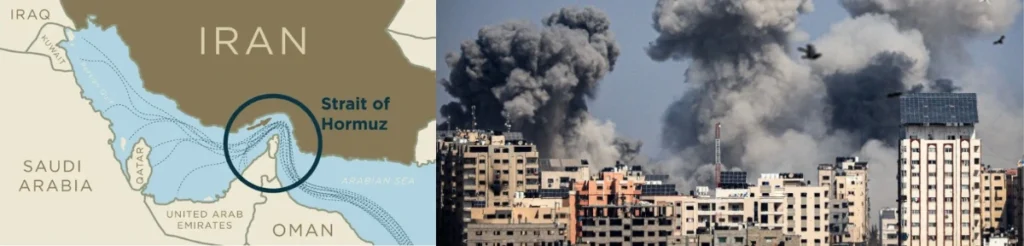
The current crisis intensified after renewed military confrontations between Iran, the United States, and regional allies. Iran responded by increasing naval patrols and imposing tighter controls over vessels moving through the Strait of Hormuz.
Reports suggest that ships now face delays, inspections, and movement restrictions before being allowed to pass. Some shipping companies claim the waterway has become too dangerous for normal operations due to fears of missile attacks, drones, and military confrontations.
As tensions grew, many commercial vessels stopped entering the region altogether, leaving hundreds of ships stranded in nearby waters.
Thousands of Sailors Left Stranded
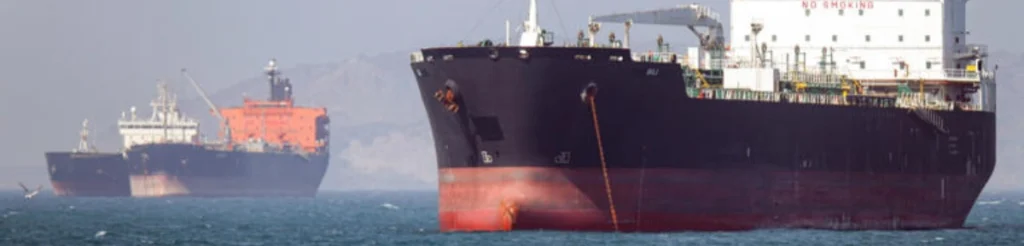
One of the biggest consequences of the closure has been the suffering of sailors trapped aboard ships for extended periods. According to reports, more than 20,000 sailors on nearly 2,000 vessels remain stuck across Gulf waters.
Many crews have now spent weeks waiting for clearance to move through the strait safely. Some vessels are anchored near the coasts of Saudi Arabia, Oman, and the UAE, while others remain isolated in high-risk zones.
For these sailors, every day brings uncertainty. They do not know when they will be allowed to continue their journey or return home.
Life Aboard Ships Has Become Miserable
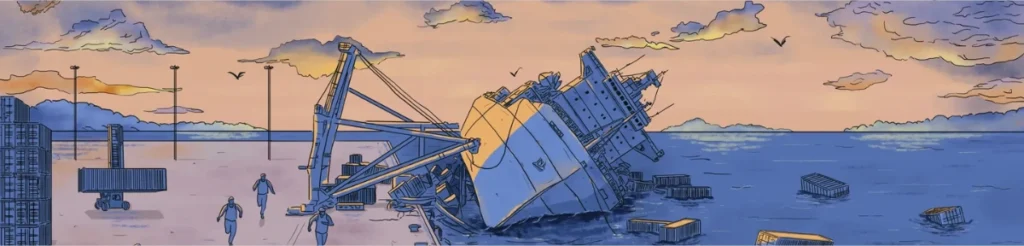
The conditions onboard many stranded ships are becoming increasingly difficult. Sailors describe constant fear, emotional stress, and physical exhaustion. Many crews are living under the threat of nearby military activity and possible attacks.
Some sailors have reported hearing explosions or witnessing military patrols in surrounding waters. Internet connectivity is often poor, making communication with families difficult. The isolation and uncertainty are creating severe mental pressure among workers.
Basic supplies are also becoming a concern. Several crews have reported shortages of food, fuel, medicine, and drinking water. In some cases, workers are surviving on reduced meals while waiting for support.
Mental Health Crisis Among Seafarers

Maritime workers are trained to handle challenging conditions, but prolonged exposure to conflict zones is creating a serious mental health crisis.
The International Transport Workers’ Federation (ITF) has warned that many sailors are experiencing anxiety, depression, and emotional breakdowns. Some crew members reportedly fear sleeping at night because they worry about sudden attacks or military escalation.
Others feel abandoned by shipping companies and governments, believing their safety has become secondary to political negotiations and economic interests.
Impact on Global Oil and Energy Markets

The Strait of Hormuz is critical for global oil transportation, so disruptions immediately affect energy prices worldwide. Analysts warn that continued restrictions could lead to sharp increases in oil prices, creating inflation and economic instability across multiple countries.
Energy-importing nations are particularly vulnerable because delays in Gulf oil shipments can impact fuel supplies, transportation costs, and industrial production.
Financial markets have already shown signs of nervousness, with shipping insurance premiums rising sharply due to the increased risk in the region.
Shipping Industry Faces Heavy Losses
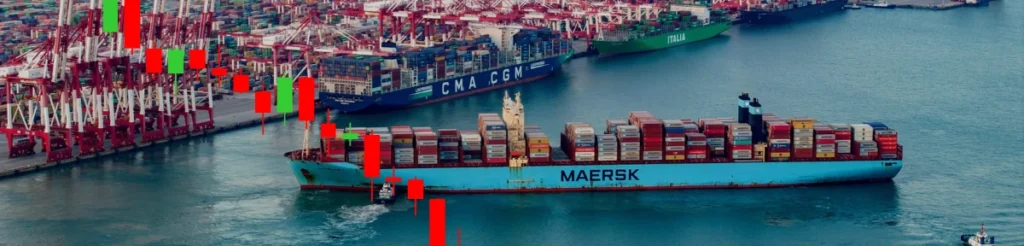
Shipping companies are also suffering major financial losses because of the crisis. Delayed cargo deliveries are disrupting supply chains for fuel, electronics, food products, and industrial materials.
Many companies are now rerouting ships through longer and more expensive routes to avoid the Strait of Hormuz altogether. Others have suspended operations in the region until conditions improve.
Insurance costs for vessels operating near the Gulf have surged dramatically, adding even more financial pressure to the maritime industry.
International Response and Diplomatic Efforts

Several countries and international organizations are urging diplomatic solutions to reopen the strait and protect civilian shipping. The United States and allied nations continue to pressure Iran to allow normal maritime movement.
Meanwhile, Gulf nations such as Saudi Arabia and the UAE are providing humanitarian assistance to stranded crews by supplying food, water, fuel, and medical support.
However, negotiations remain difficult as Iran insists that its actions are linked to regional security concerns and ongoing military tensions.
Human Cost Often Ignored

While global attention focuses on politics, oil prices, and military strategies, the human suffering of sailors often goes unnoticed. Thousands of maritime workers are risking their lives simply to keep global trade functioning.
These sailors spend months away from their families under normal conditions, but becoming trapped in an active conflict zone adds an entirely new level of fear and hardship.
Many seafarers worry that refusing dangerous assignments could affect their future employment opportunities, forcing them to continue working despite serious risks.
Could the Crisis Get Worse?

Experts warn that the situation could continue for months if diplomatic efforts fail. Any further military escalation in the Gulf region could completely shut down the Strait of Hormuz and create even bigger disruptions to global trade and energy supplies.
A prolonged crisis may also increase humanitarian concerns for stranded sailors as supplies become more limited and mental stress intensifies.
Governments and shipping companies may eventually face growing pressure to evacuate crews or provide additional security measures for commercial vessels operating in the region.
Conclusion
Iran’s intensified closure of the Strait of Hormuz is no longer just a political or military issue — it has become a major humanitarian crisis affecting thousands of stranded sailors. While governments continue strategic negotiations, ordinary maritime workers remain trapped at sea, facing fear, shortages, and uncertainty every single day.
The crisis highlights how deeply interconnected the world has become, where conflicts in one narrow waterway can impact global economies, energy markets, and the lives of people far from the battlefield. Until diplomatic solutions emerge, the sailors stranded in the Gulf remain among the forgotten victims of rising geopolitical tensions.