

The parent company of Facebook, Instagram, and WhatsApp, Meta Platforms, is making a significant move to safeguard its energy future. The corporation recently applied to U.S. regulators to get into the wholesale electricity market in an effort to better handle the massive power requirements of its data centres throughout the world.
This initiative demonstrates the expanding convergence of technology and energy, as tech firms seek greater control over electricity procurement and cost management due to the growing demand for cloud computing and artificial intelligence (AI).
Sam Altman’s Predictions on AI and Jobs: What the Future of Work Could Look Like
The Rationale Behind Meta’s Move

A newly established subsidiary named Atem Energy, intended to serve as a power marketer, was used to submit Meta’s request to the Federal Energy Regulatory Commission (FERC).
According to a Meta spokesperson, this project is a “natural next step” in the company’s effort to ensure clean and dependable energy. Meta intends to use direct wholesale market trade to:
- Gain Flexibility: Adjust electricity purchases based on fluctuating market prices.
- Ensure Reliability: Maintain steady power for its data centres that operate 24/7.
- Monetize Surplus: Sell excess electricity during peak demand periods.
Saving money isn’t the only goal; Meta will gain operational autonomy and a competitive advantage in the development of energy-intensive AI.
Meta Prepares to Launch Celeste Smart Glasses: A Glimpse Into the Future of AR and AI
AI’s Impact on Energy Demand
The rise of powerful machine learning models and generative AI has changed the power requirements of tech firms. The enormous computational resources needed to train these models immediately result in increased electricity use.
Over the next ten years, Bloomberg NEF projects that the energy consumption of data centres with an AI focus will double. These days, businesses like Meta, Microsoft, and Google must manage electricity expenses and sustainability objectives while also fostering AI innovation.
Trump Floats National Emergency for Washington as Tensions With City Leaders Escalate
Turning Electricity into a Revenue Opportunity
Purchasing electricity is just one aspect of the problem. Electricity can be sold back into wholesale markets by IT businesses with extra capacity or flexible contracts, potentially generating income.
“There will be opportunities to sell electricity into the wholesale markets and make a little extra money doing that,” Raymond James analyst Pavel Molchanov clarified.
Meta can provide continuous AI processing while offsetting some operating expenses with intelligent energy management. By using this tactic, power is converted from a fixed cost to a marketable good.
America’s Healthcare System Faces a Breaking Point: Workforce Exodus and Urgent Solutions
Backup Generators and Batteries: Assets, Not Just Safety Nets

Large batteries and backup generators are essential to data centres’ ability to run continuously. These systems were previously only used as outage protection. But these days, they can also function as tradable assets.
Companies can pump stored energy from generators or batteries back into the grid at times of peak pricing, according to utilities researcher Andy DeVries. In addition to increasing revenue, this improves grid stability, resulting in a win-win situation.
Ivy League Dreams: Why These Eight U.S. Universities Define Academic Prestige
The Renewable Energy Paradox
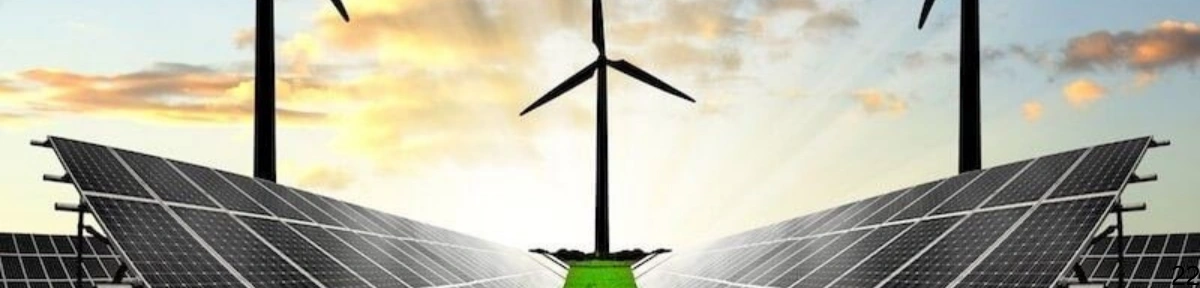
Big Tech companies like Meta have pledged to run their businesses entirely on sustainable energy, including solar and wind. However, intermittency—wind turbines and solar panels don’t produce electricity continuously—makes it difficult to power AI-intensive tasks entirely with renewable energy.
Consequently, many businesses are using natural gas-fired facilities that offer steady, round-the-clock output to complement renewable energy.
For instance, Entergy Corp.’s proposal to construct three natural gas plants specifically for the purpose of fuelling Meta’s largest data centre in the United States was recently authorised by Louisiana regulators. Although these plants promote operational dependability, they also draw attention to the conflict between sustainability objectives and the real-world requirements of AI computing.
Microsoft and OpenAI Reshape Their Partnership: Toward a For-Profit Future and Global AI Expansion
Atem Energy: Meta’s Energy Arm

Atem Energy was established by Meta to function as a power marketer, providing it with the organisational and legal framework required to engage in wholesale electricity trading. Atem Energy will have the following rights if FERC grants the application by November 16:
- Buy and sell electricity on wholesale markets
- Manage energy contracts for Meta’s data centres
- Potentially trade surplus power to optimize costs
This strategic move positions Meta as an active player in energy markets as well as a consumer of electricity, a paradigm that is becoming more and more applicable to IT firms with extensive infrastructure.
Big Tech’s Growing Influence on Energy

Leveraging energy markets is not unique to Meta. Major tech companies like Microsoft, Google, and Amazon are also making significant investments in nuclear energy, energy storage, and renewable energy projects.
These businesses are influencing wider market trends and gaining greater influence over supply, pricing, and grid reliability by actively participating in the energy markets. They are now integrating their energy strategy into their technology operations.
Donald Trump’s Crypto Revolution: From Sceptic to Bitcoin Superpower
Nuclear Energy vs. Renewables

Although solar and wind are still important components of business sustainability initiatives, nuclear energy—especially tiny modular reactors—has gained popularity again due to its erratic performance. Nuclear is a desirable addition to renewable energy sources because it produces reliable, low-carbon electricity that can power data centres around-the-clock.
Analysts note that if AI workloads increase, nuclear power would be necessary to supply energy demand without jeopardising climate promises, which further demonstrates Big Tech’s changing energy strategy.
Harvard vs. Trump: The $2.6 Billion Fight Over Funding and Freedom
Implications for Energy Markets
The implications of Meta’s foray into wholesale electricity trading could be extensive:
- Market Competition: The increasing trading power of internet giants may put pressure on utility prices.
- Infrastructure Innovation: It’s likely that demand-response systems, batteries, and storage will see increased investment.
- Regulatory Considerations: Policymakers may need to adjust rules to manage non-utility market participants.
In essence, Big Tech’s direct participation in the energy markets may cause a shift in the balance between corporate consumers and traditional utilities, which could have an impact on supply, pricing, and grid management.
Geoffrey Hinton Warns AI Could Deepen Inequality and Cause Mass Unemployment
Conclusion:
The entry of Meta Platforms into wholesale power trading brings to light an important reality: energy management is inextricably linked to the future of technology, especially artificial intelligence.
Meta wants to protect its energy future, make money off of excess capacity, and have more control over data centre operations by establishing Atem Energy and applying for FERC permission. The business is on the verge of becoming a major force in the energy sector and is no longer merely a tech behemoth.
The businesses that can innovate in both technology and energy management will be at the forefront of the new era as data centres proliferate and artificial intelligence (AI) propels global digital growth. For Meta, learning electricity has become just as crucial as learning algorithms.